
Last updated November 24, 2026
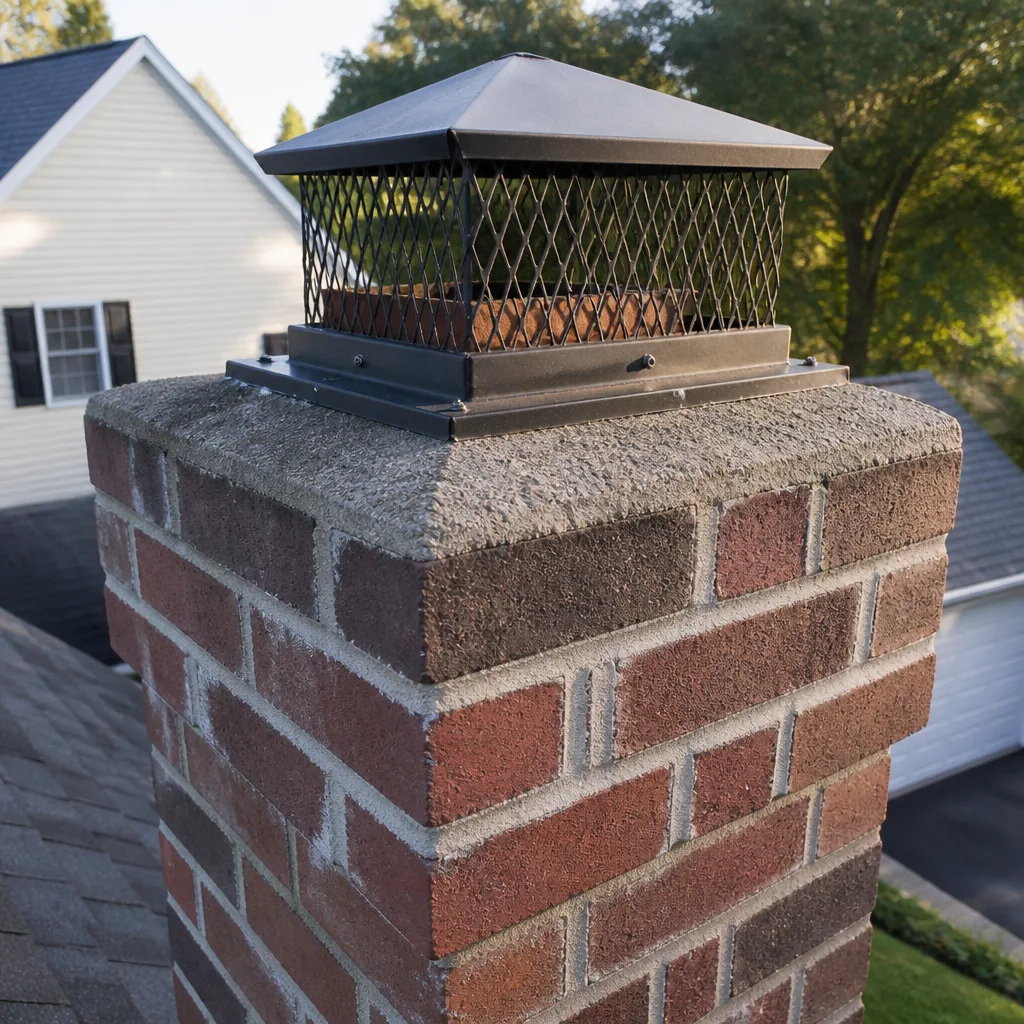 Sweep & inspection
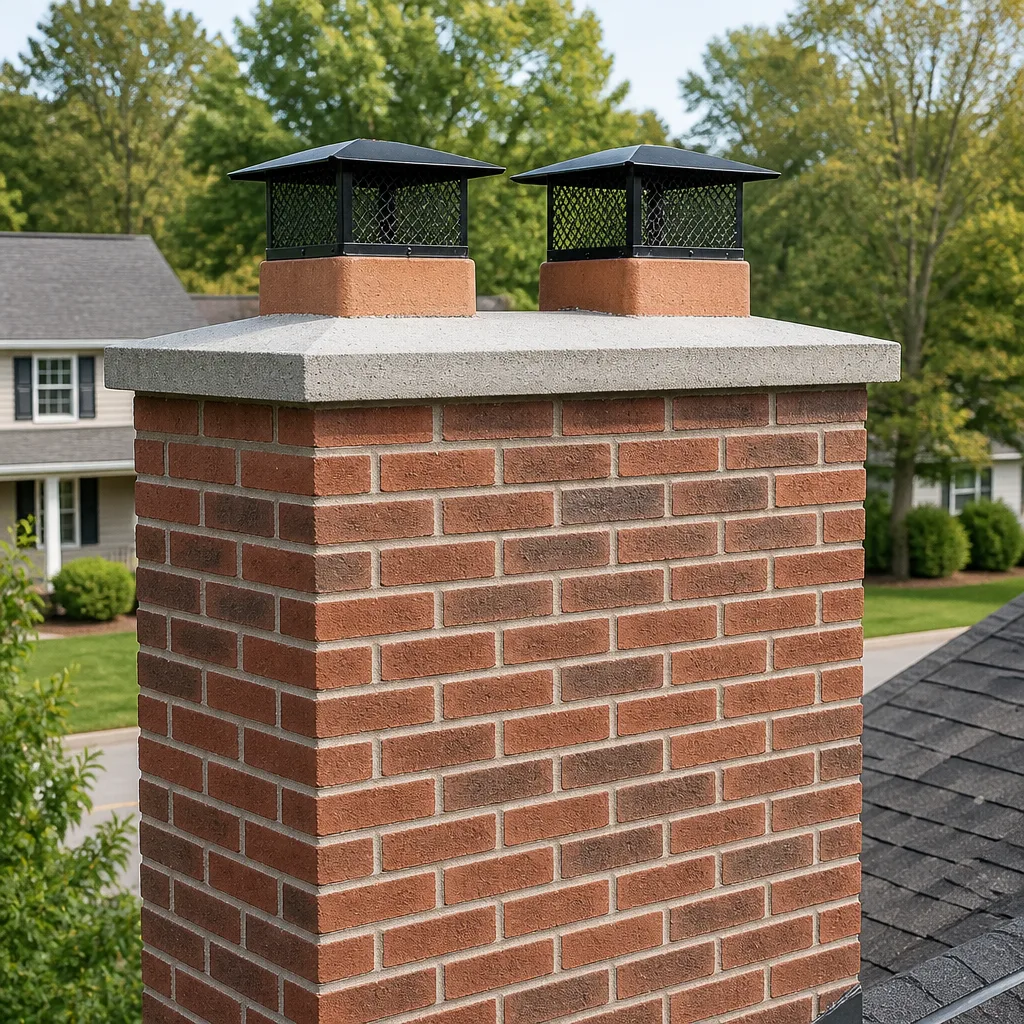 Caps & crowns
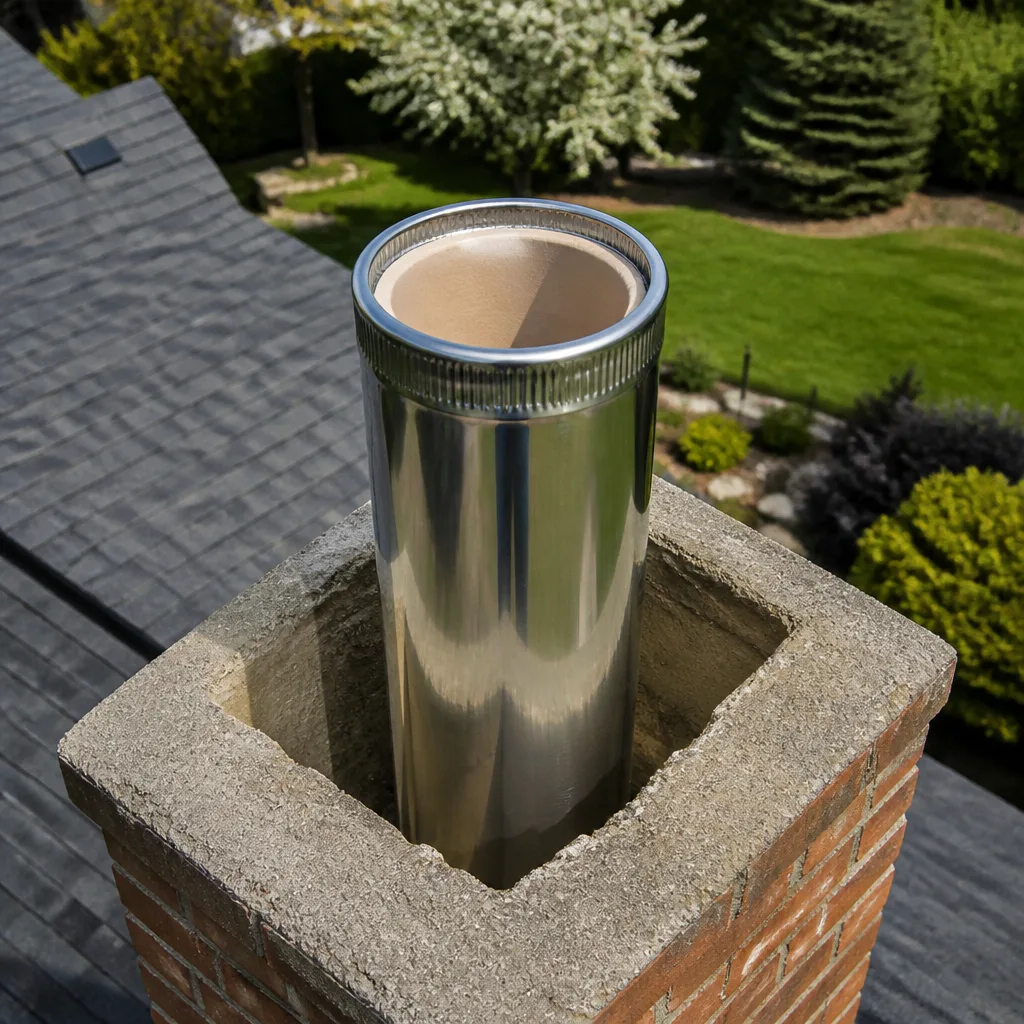 Flue relining
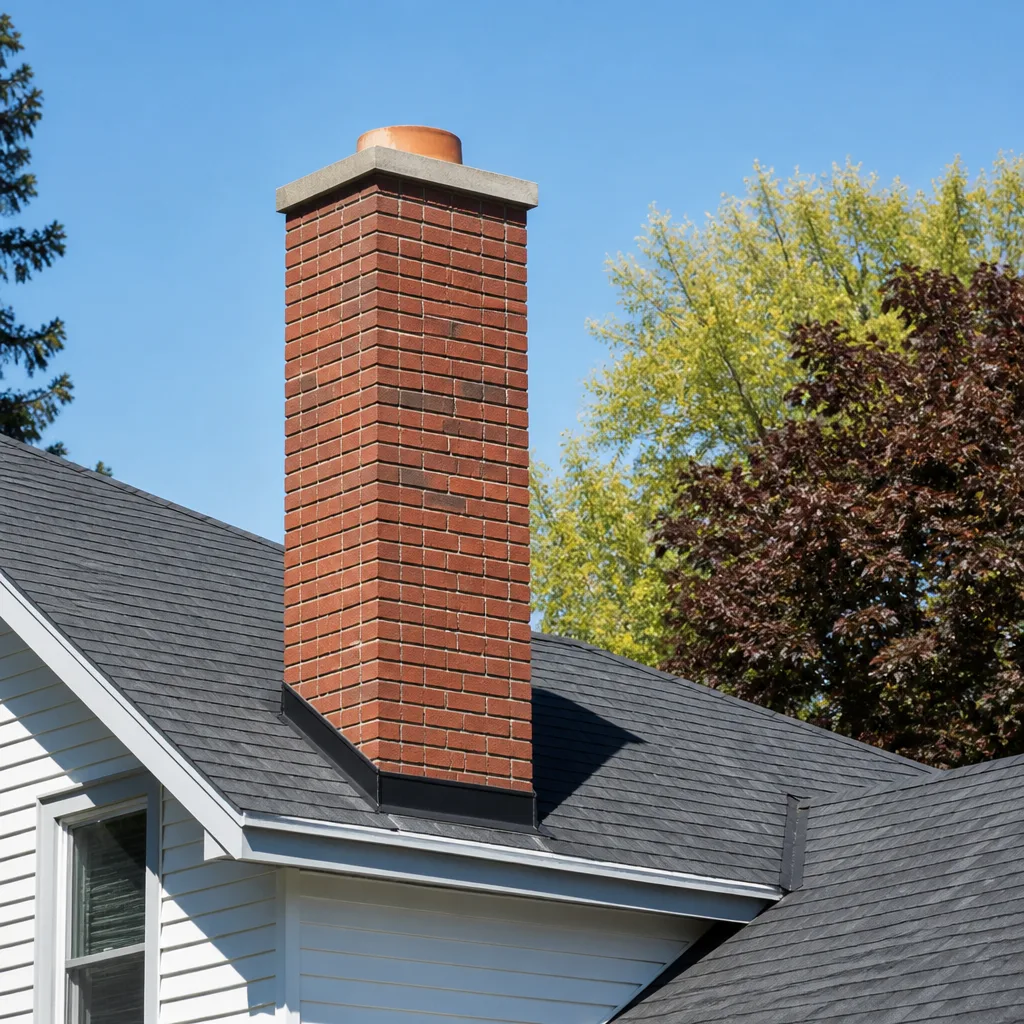 Masonry repair
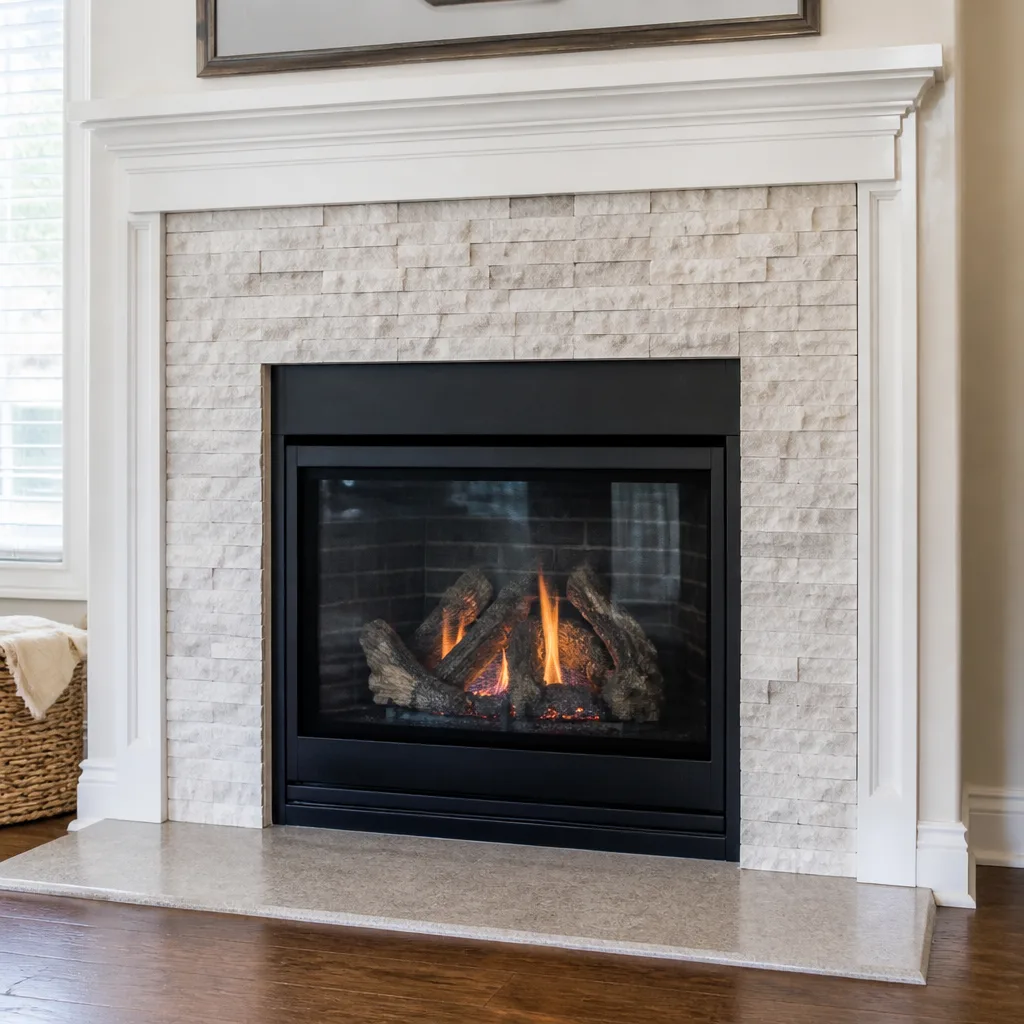 Gas fireplace service
Level 1 sweep and inspection to the NFPA 211 annual standard - flue, crown, cap, and flashing checked and photographed
Chimney sweep logs do not sweep chimneys. They loosen some creosote - which then falls where a brush and vacuum still have to collect it.
Chimney Cleaning Permits, Codes & Inspections in Syracuse, UT: What You Need to Know
Most people assume a chimney is a chimney and the rules are the same everywhere. They aren’t. In Syracuse, the line between a routine sweep and permitted construction work is sharper than most homeowners realize, and it’s decided by a set of code provisions that many contractors never bring up. A cleaning, in most cases, needs no permit. A liner replacement, a structural repair or a new cap often does. The gap between those two facts is where liability quietly changes hands. This guide walks through what Utah’s residential code actually requires, how NFPA 211 fits in, and which questions to ask before anyone signs a repair contract in Syracuse.
Quick Answer
Routine chimney cleaning in Syracuse, UT does not require a permit. Work that alters the chimney structure, replaces a flue liner, or installs a cap or crown generally falls under the Utah Residential Code (which adopts IRC Chapter 10) and may require a permit from the authority having jurisdiction, whether that is Syracuse City or Davis or Weber County. NFPA 211 sets the technical standard for how that work must be done. A Level 2 inspection is the documentation that proves the finished work is code-compliant.
Styles & brands we work with
- Sweep & inspection
- Caps & crowns
- Flue relining
- Masonry repair
- Gas fireplace service
Table of Contents
- Where Does the Line Fall Between Cleaning and Permitted Work?
- What Does Utah’s Residential Code Actually Say About Chimneys?
- What Triggers a Permit in Syracuse City Versus Unincorporated Areas?
- How Do NFPA 211 and Local Code Work Together?
- What Does a Level 2 Inspection Report Actually Tell You?
- How Does Permit Status Affect Your Insurance Claim?
- What Should You Ask a Contractor Before Signing?
- How Does Syracuse’s Climate Affect Chimney Wear and Inspection Timing?
Where Does the Line Fall Between Cleaning and Permitted Work?
The simplest way to think about it: cleaning removes what’s inside the flue, and permitting governs anything that changes the flue itself. A standard sweep scrapes creosote from the flue walls, clears the smoke shelf and firebox, and checks that the damper opens and closes. None of that touches the structure, so no permit is involved.
The moment the work changes the chimney’s materials or shape, the picture shifts. Here’s how the two categories usually break down in Syracuse:
Work that typically needs no permit
- Annual or seasonal chimney sweeping
- Visual inspection of the firebox, damper and flue
- Clearing a bird’s nest, leaves or debris from the flue
- Minor firebox cleaning and gasket replacement on a fireplace door
Work that usually triggers a permit
- Replacing a clay tile liner or installing a new stainless liner
- Resurfacing a deteriorated flue with a cast-in-place system like HeatShield
- Rebuilding a chimney above the roofline or repairing structural masonry
- Installing a new chimney cap or rebuilding a damaged crown
- Changing the appliance connected to the flue or altering the flue’s size
This is where the Syracuse Chimney Sweep approach matters. Because we handle everything from the firebox to the cap, we can tell a homeowner exactly which category their job falls into before anyone picks up a tool. That distinction is the single most overlooked conversation in the trade.
What Does Utah’s Residential Code Actually Say About Chimneys?
Utah’s statewide building code adopts the International Residential Code, and chimney construction, alteration and clearance requirements live in Chapter 10 of that code. In plain terms, Chapter 10 covers how a chimney is built, how far it must sit from combustibles, how tall it must be relative to the roofline, and how flue liners must be sized and installed.
That means an alteration to a chimney isn’t a matter of opinion. It’s a matter of meeting specific requirements. A liner replacement has to use a listed product installed per its listing. Masonry has to maintain its clearances. The cap has to protect the flue without restricting it. Code compliance isn’t a slogan a contractor puts on a truck; it’s a measurable standard written into the state code.
For most Syracuse homeowners, the practical takeaway is this: ask the contractor whether the work they’re proposing meets Utah Residential Code Chapter 10 and the product’s listing instructions. A professional who installs systems like Olympia Chimney or Gelco components knows those manufacturer listings inside out and can point to the exact standard being followed. A generalist with a brush usually can’t.
What code compliance actually looks like on a liner installation
- The flue is inspected and its condition documented before any liner goes in.
- The liner is sized correctly for the appliance and the flue.
- The liner product is a listed system, installed per its manufacturer’s instructions.
- Clearances from combustibles are maintained throughout the run.
- The top and bottom connections are sealed so the system is continuous.
- The finished work is documented with photos and an inspection report.
Any step skipped isn’t a shortcut. It’s a code violation waiting to surface, often not until a home sale or an insurance review.
What Triggers a Permit in Syracuse City Versus Unincorporated Areas?
Syracuse is a city with its own building department and permitting process. If your home is inside city limits, the authority having jurisdiction is the City of Syracuse, and a structural chimney alteration or liner replacement may require you to pull a permit before work begins. The permit isn’t a formality; it creates a record that an inspection was passed.
If you live outside city limits, in an unincorporated stretch of Davis County or over the Weber County line, the authority having jurisdiction changes. Permit responsibility may fall to the county rather than the city, and the review process follows a different path. What doesn’t change is the underlying standard: the same IRC Chapter 10 provisions and the same NFPA 211 requirements apply either way.
This is the spot where homeowners lose track of who’s responsible. The permit obligation typically rests with whoever is doing the work, but the liability lands on the property owner if it’s never pulled. Before signing any repair contract in Syracuse, ask who is applying for the permit, who is paying for it, and who is responsible for arranging the inspection.
- Confirm the address falls inside Syracuse city limits or in unincorporated county territory.
- Ask whether the proposed scope of work requires a permit.
- Get the answer in writing on the contract.
- Get the inspection sign-off at completion.
If you need to know what’s inside your chimney before you can even answer the permit question, a professional chimney sweep with camera capacity is the right first call.
How Do NFPA 211 and Local Code Work Together?
Utah’s code sets the legal floor. NFPA 211, the Standard for Chimneys, Fireplaces, Vents, and Solid Fuel-Burning Appliances, sets the technical standard for how the work is done. The two work together: the code tells you a permitted alteration must happen, and NFPA 211 tells the contractor what “correctly done” means once it does.
When a professional says a chimney is “code-compliant,” what they mean is that the work meets three layers of requirement at once: the state code’s structural and clearance provisions, the manufacturer’s listing instructions for the materials used, and the inspection and cleaning standards in NFPA 211. All three have to line up. A liner that meets its manufacturer listing but is undersized for the appliance isn’t compliant. A liner that’s correctly sized but sealed improperly at the top isn’t compliant. A cap that fits but chokes the flue isn’t compliant.
This is why the choice of materials matters so much. Flexible systems like DuraFlex reline flues that rigid liners can’t navigate – offsets, bends, and older configurations where a straight-shot liner simply won’t fit. In a flue where the geometry is unusual, a flexible liner installed to spec is often the only way to achieve code compliance without rebuilding the chase entirely. Meanwhile, restore-before-you-replace approaches like HeatShield resurfacing address a deteriorated clay tile flue when the underlying structure is still sound, keeping the installation compliant without unnecessary full replacement.
In our experience, the homeowners who come to us after a failed inspection often have one thing in common: they were told the work was “fine” without being given a standard to check it against. NFPA 211 and UTC Chapter 10 give you that standard, and any professional you hire should be able to explain how the proposed work meets both.
What Does a Level 2 Inspection Report Actually Tell You?
A Level 2 inspection is a thorough visual and camera examination of the accessible portions of the chimney: the flue, the firebox, the smoke chamber, the damper, the crown, the cap and the exterior structure. It’s the standard you want when a chimney has been altered, when a home is changing hands, or when a liner is being replaced.
The report matters because it’s objective evidence. When a Level 2 inspection is documented with photos and written findings, it does three things:
- It establishes the condition of the chimney on a specific date.
- It identifies whether conditions meet NFPA 211 and code standards.
- It creates a record an insurance company can review if a claim is ever filed.
This is exactly what we mean when we say no recommendation is made without camera evidence you can see yourself. When the inspection report says a liner is failing, you see the failed tiles in the photo. When a repair can safely wait, we say so, because a professional has nothing to gain from pushing unnecessary work.
If you’re dealing with a chimney that’s been sitting unserviced for years, a Level 2 inspection is often the first step before any sweep or repair. That’s why we run camera inspections on every job where the condition is unknown. Trust in a chimney report comes from being able to see what the technician sees.
How Does Permit Status Affect Your Insurance Claim?
Most homeowner policies contain language about work that must be done in a workmanlike manner and in compliance with applicable code. When a claim stems from a fire or a chimney failure, the insurer will typically investigate whether the work was permitted and inspected. If a liner was replaced without a permit, the claim can be denied or reduced, and that clause is buried in a section most people never read until they need it.
This isn’t a scare tactic. It’s a real exposure that homeowners carry without knowing it. The same applies if you purchased a home where a previous owner had unpermitted work done. You inherit the problem.
The remedy is straightforward:
- Ask whether the work you’re being quoted falls under permit territory.
- Get the permit responsibility written into the contract.
- Keep the Level 2 inspection report and the sign-off documents together.
- If you buy a home with a chimney, request a Level 2 inspection before closing.
That documentation stack is what an insurer wants to see, and it’s what gives you a real answer when the question of coverage comes up.
What Should You Ask a Contractor Before Signing?
Before you sign anything for chimney repair in Syracuse, slow down for ten minutes and ask these questions. The answers tell you whether you’re working with a specialist or someone who will quietly leave the permit on your doorstep.
- Does this scope of work require a permit? A specialist knows the answer for Syracuse City and for Davis and Weber County jurisdictions without checking with a manager.
- Who pulls the permit and who pays for it? Get it in the contract.
- Will you arrange the final inspection? An inspection sign-off is the evidence that the job was done to code.
- What standard will the work meet? The answer should include IRC Chapter 10, NFPA 211 and the manufacturer’s listing instructions.
- Will I get a Level 2 inspection report with photos? Any repair recommendation should be backed by evidence you can see.
- What material system are you installing? A specialist should be able to name the product line and explain why it fits your flue.
- What happens if the inspection fails? The answer shouldn’t be “it never fails.” It should describe how the work gets brought into compliance.
A contractor who dodges these questions is telling you something. A specialist who works with established systems – Famco, Copperfield, Olympia Chimney and others – can answer them plainly and put them in writing. We walk every homeowner through these before any contract is signed, because a clear scope from the start is what protects both sides.
If you already know you need chimney repair and just want a clear quote with permit scope included, we can start there.
How Does Syracuse’s Climate Affect Chimney Wear and Inspection Timing?
Syracuse sits in northern Davis County, close to the Great Salt Lake, with cold winters and a long heating season. That combination shapes how chimneys age here. The longer and harder a wood stove or fireplace runs each winter, the more creosote accumulates inside the flue, and the more condensation cycles hit the exterior masonry as temperatures swing above and below freezing.
Two local patterns show up repeatedly:
- Exterior masonry takes a beating. Freeze-thaw cycles push moisture into cracks in the crown and cap, widening them year over year.
- Flues that ran all winter need eyes on them by spring. Creosote buildup and liner cracks are easiest to catch before they cause a problem next fall.
That’s also why cap and crown work is so important here. A damaged crown lets water into the chimney structure, and water is the single most common driver of structural masonry trouble we see in Syracuse. A cap that fits properly and a crown that sheds water correctly are what keep the rest of the chimney sound through the freeze-thaw season.
If you’re planning a full set of fireplace repair work, pairing it with a sweep and a Level 2 inspection in the fall or early spring gives you the fullest picture of what the chimney needs before the next heating season.
Common Mistakes to Avoid
- Assuming no permit is ever needed. Cleaning doesn’t need one, but liner replacement and structural repairs usually do. Ask before you sign, not after.
- Trusting a contractor who “handles everything.” If a contractor can’t explain whether a permit is required for the specific scope, they probably haven’t pulled one for the last customer either.
- Skipping the Level 2 inspection. Without a documented inspection, you have no baseline for what the chimney looked like before or after the work.
- Letting a failing crown sit through winter. Freeze-thaw cycles in Syracuse widen cracks in masonry; small crown repairs get expensive when water gets inside.
- Buying a home without a chimney inspection. Unpermitted work done by a previous owner becomes your problem the day you close.
- Accepting a repair quote with no evidence. If you can’t see photos of the failed liner or the cracked crown, you can’t verify the work is necessary.
- Replacing instead of restoring when a restoration would hold. A resurfacing method like HeatShield can extend liner life when the structure is still sound, so a specialist should offer that option before defaulting to full replacement.
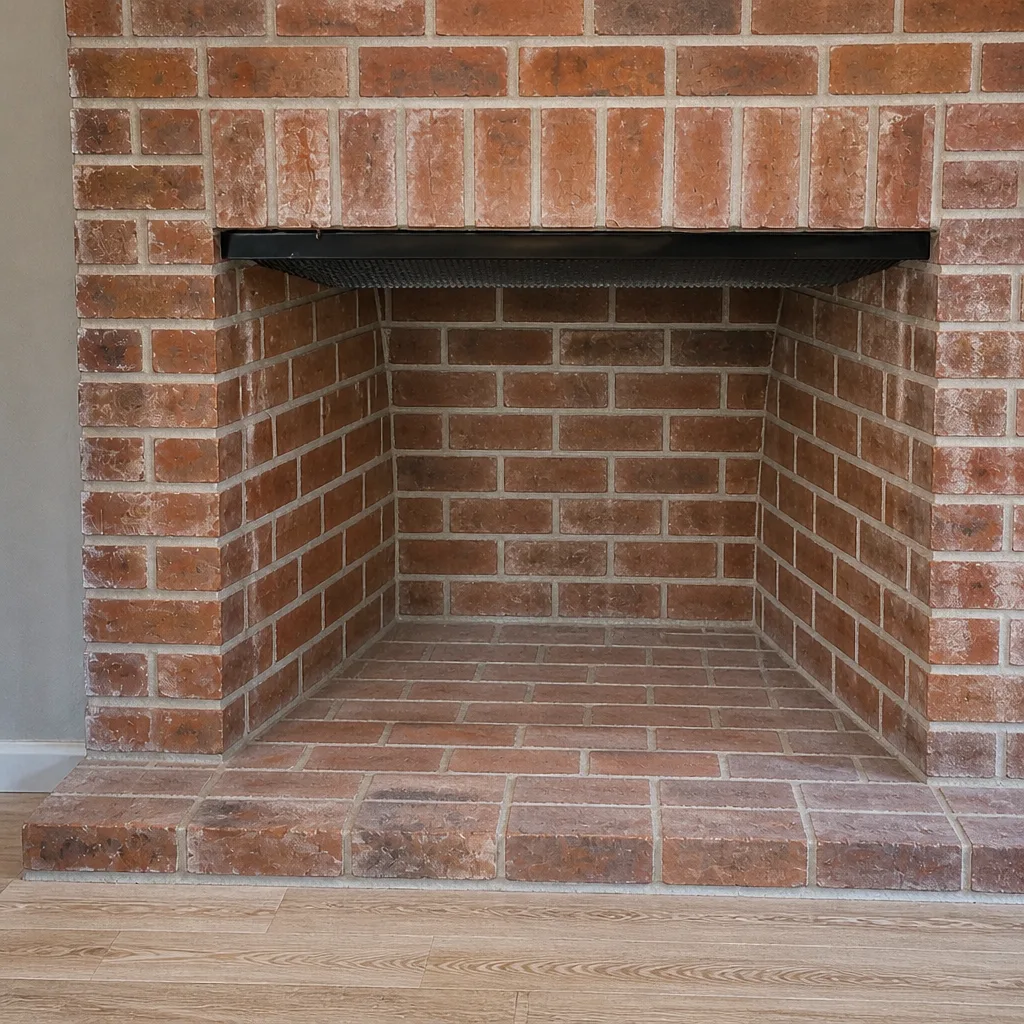
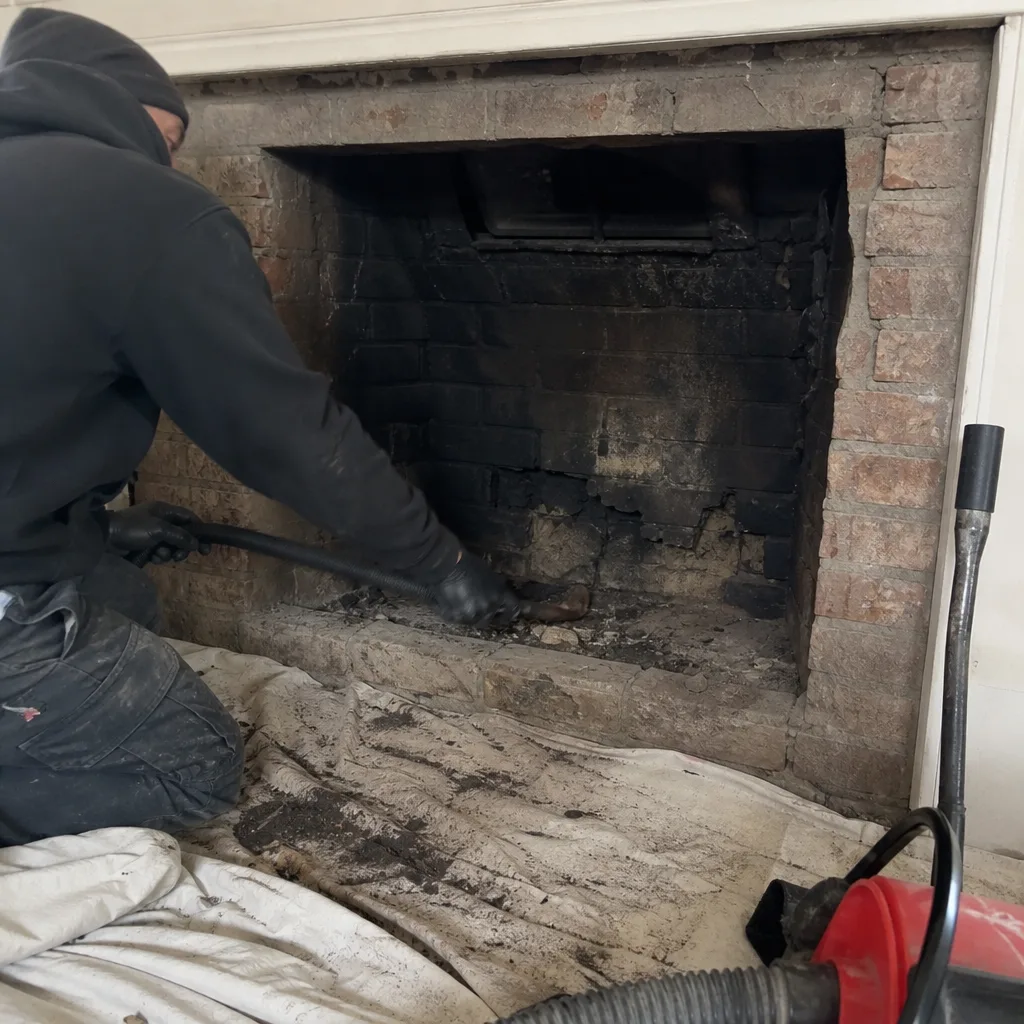
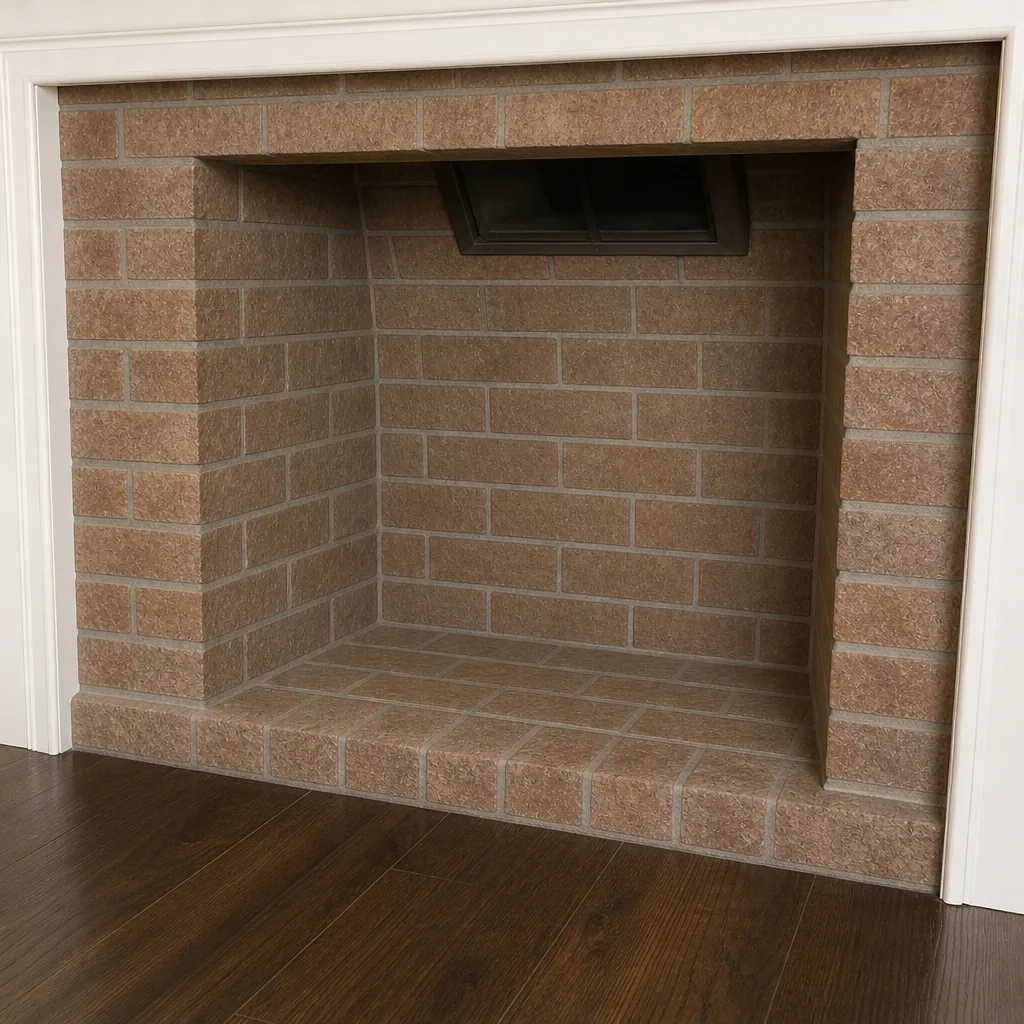
See the difference
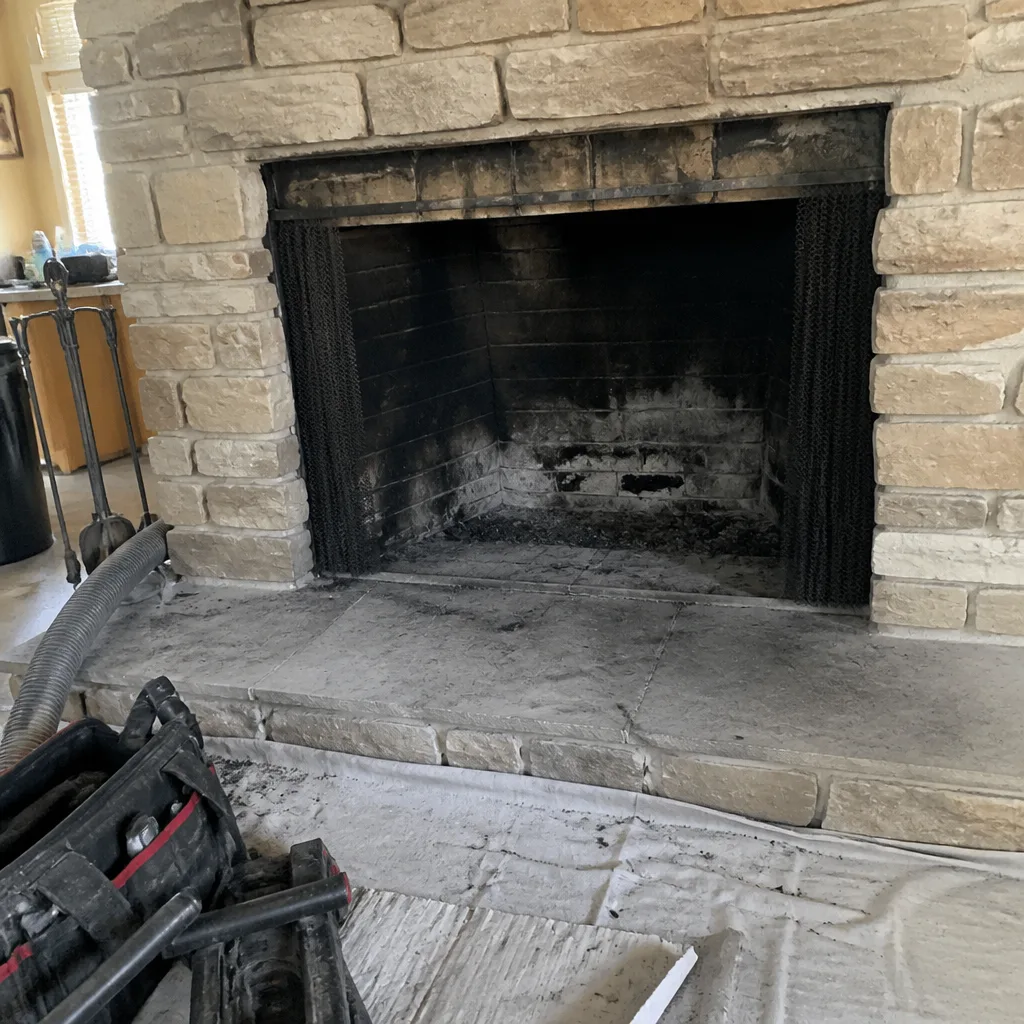 Before
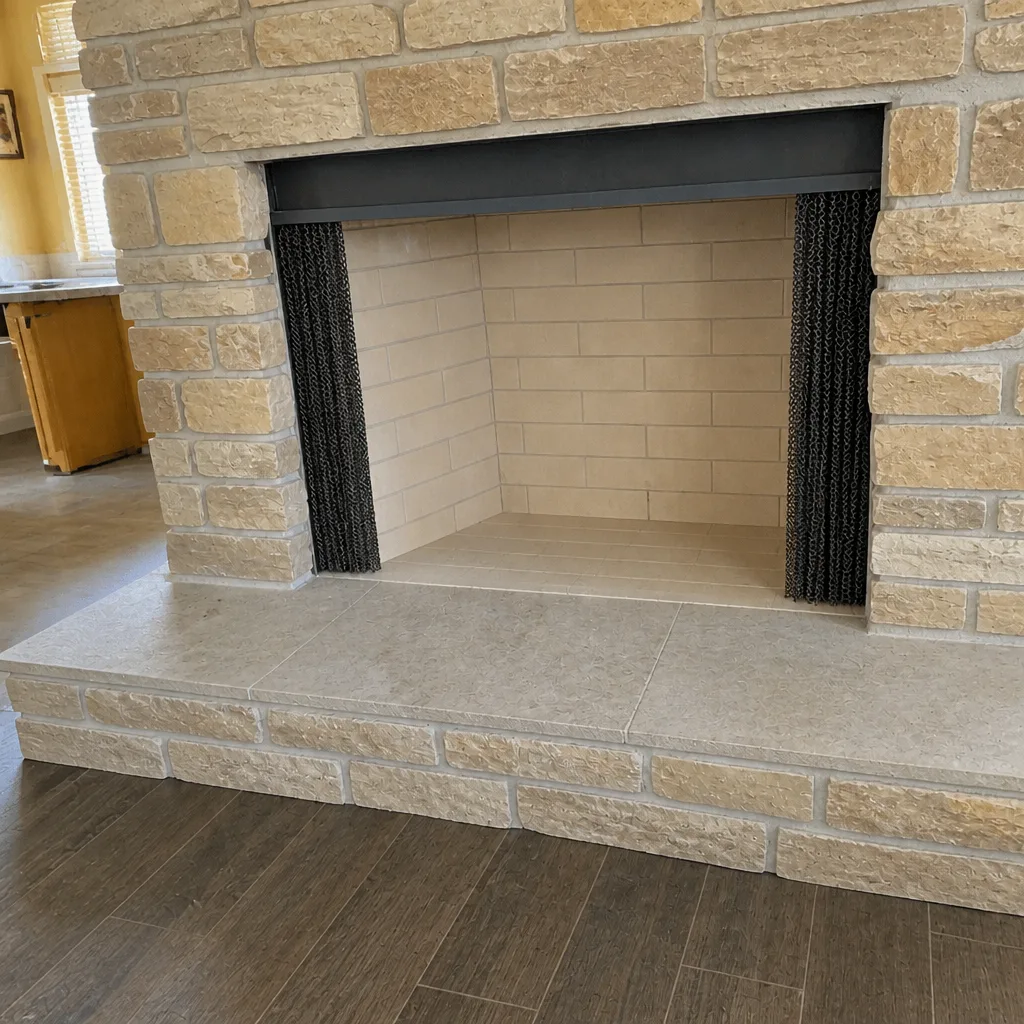 After
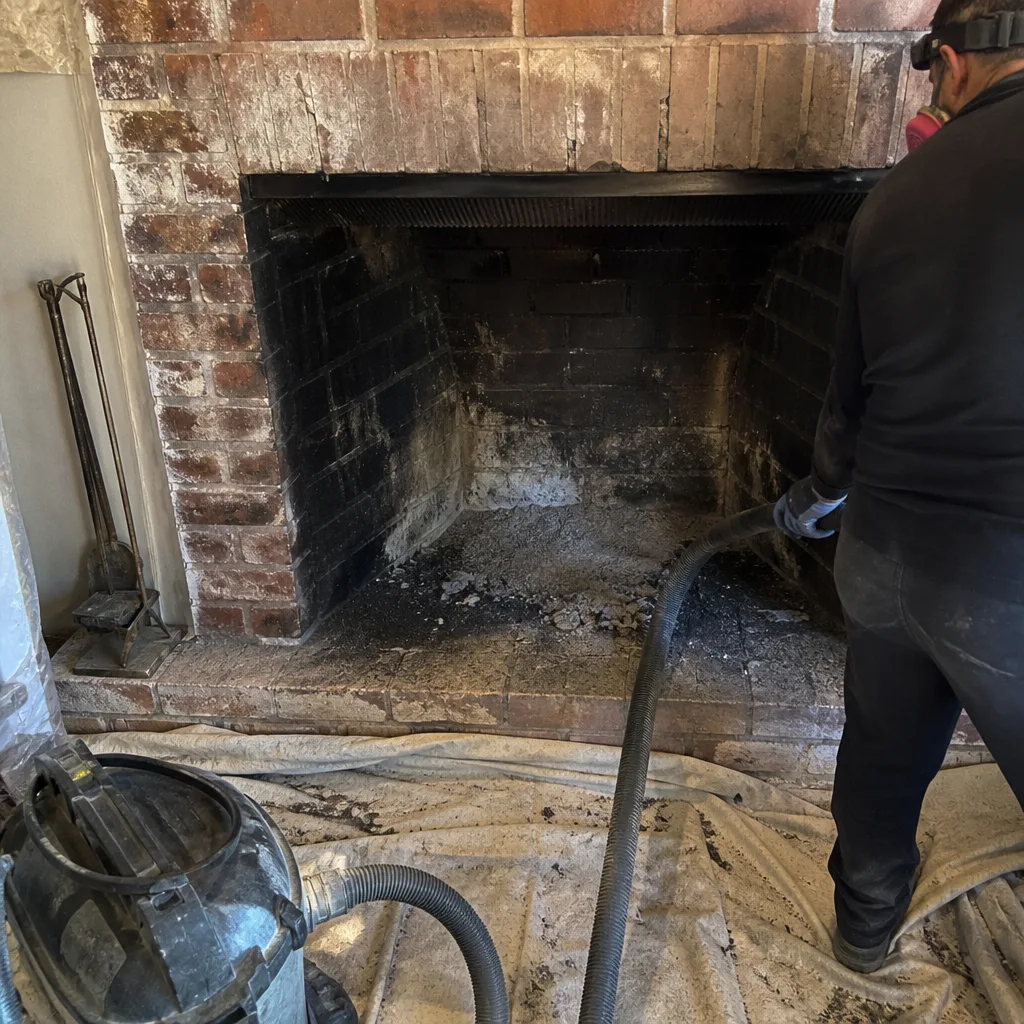 Before
 After
 Before
 After
When to Call a Professional
Call a chimney professional when the work crosses from cleaning into anything that touches the flue, the masonry or the cap. Specific scenarios that warrant a call: a failed inspection, a liner that’s cracked or deteriorated, a crown that’s showing visible damage, a cap that’s missing or failing, a chimney that hasn’t been serviced in years, or a home purchase that needs a Level 2 inspection before closing. Any of these in Syracuse is a job for a chimney specialist, not a handyman with a brush. Syracuse Chimney Sweep offers free estimates in Syracuse – call (877) 820-8528. We’ll document what we find with camera evidence and a written scope that names the permit requirements before any work begins.
Frequently Asked Questions
No. Routine chimney sweeping in Syracuse, UT does not require a permit. Permits come into play when the work changes the flue liner, the chimney structure or the cap. Call (877) 820-8528 if you want us to confirm the permit requirement for your specific job.
In most cases, yes. A liner replacement is a structural alteration to the chimney under Utah Residential Code Chapter 10 and typically requires a permit from Syracuse City or the county authority having jurisdiction. We confirm the requirement in writing before starting any liner job. Call (877) 820-8528 for an exact quote on the liner work.
Responsibility is set by the contract, and on most jobs the contractor pulls the permit. The liability, however, stays with the homeowner if the permit is never pulled, so get the responsibility written into the contract and keep a copy of the inspection sign-off. Call (877) 820-8528 to walk through this before you hire.
A Level 2 inspection is a camera-assisted examination of the accessible portions of the chimney, documented with written findings and photos. You need one when a chimney has been altered, when a home is being purchased, or when a repair is being considered for an older flue. Call (877) 820-8528 if you need one scheduled in Syracuse.
It can. Most homeowner policies contain language requiring work to be done in a workmanlike manner and in compliance with applicable code, and a permit gap can complicate a fire-related claim. The fix is documentation, not speculation: keep the permit, the inspection sign-off and the Level 2 report together. Call (877) 820-8528 for an estimate on the work.
Once a year is the standard, and it’s the one we recommend for any chimney in Syracuse that’s in active use through the winter. A sweep and a visual check before each heating season, plus a Level 2 inspection when the chimney has changed or you’re buying a home, covers the predictable patterns. Call (877) 820-8528 to book a free estimate on a full-cycle inspection.
The Bottom Line
The line between sweeping and permitted work in Syracuse is narrower than most homeowners expect, and it’s decided by Utah Residential Code Chapter 10 and NFPA 211, not by the contractor’s opinion. Cleaning needs no permit. Liner replacement, structural repair and cap installation usually do. A Level 2 inspection is what proves the work meets the standard, and a permit plus inspection sign-off is what protects your insurance claim if something ever goes wrong. Get the permit scope and inspection report in writing before you sign, and if the work crosses the line, call a specialist who can document it. Written by the team at Syracuse Chimney Sweep.
Call (877) 820-8528 for a free estimate. We answer 24/7. Fast dispatch from 7am to 7pm, Sunday through Friday.