
Last updated November 24, 2026
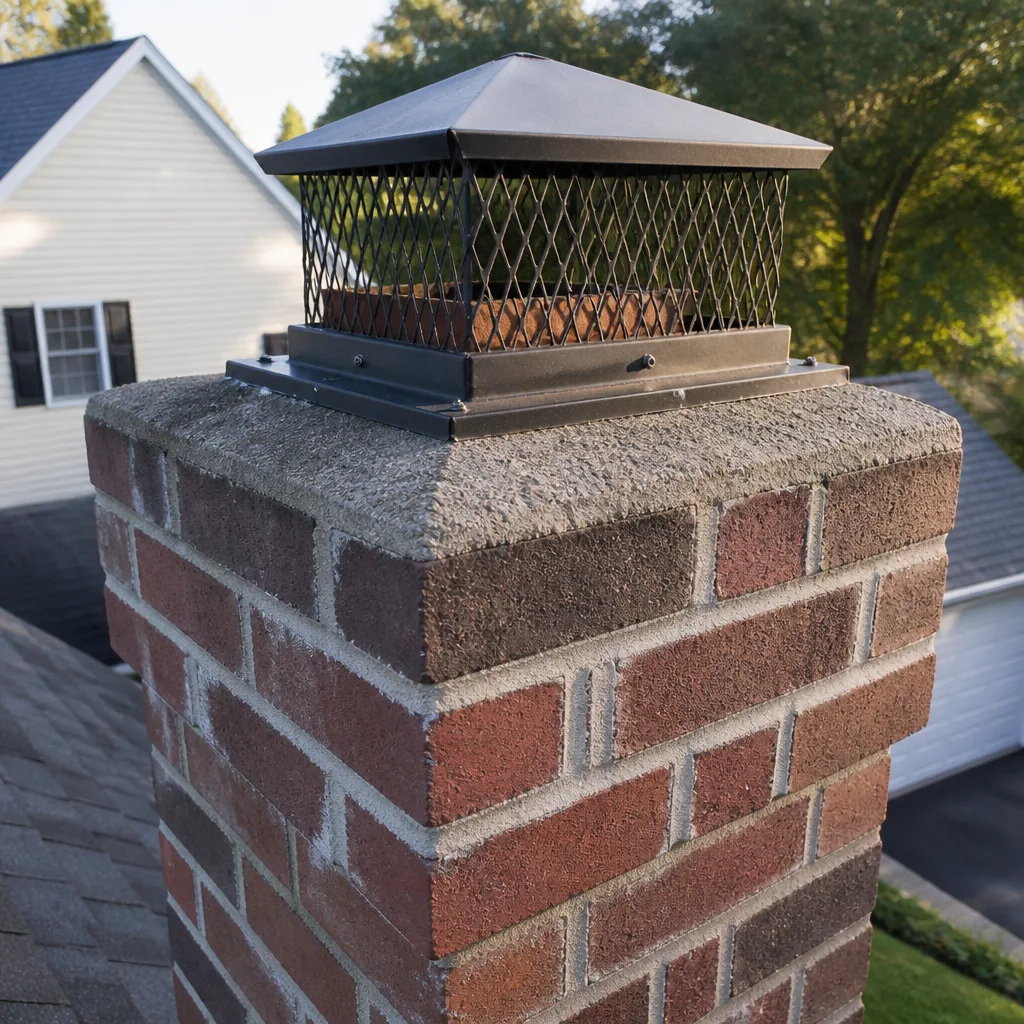 Sweep & inspection
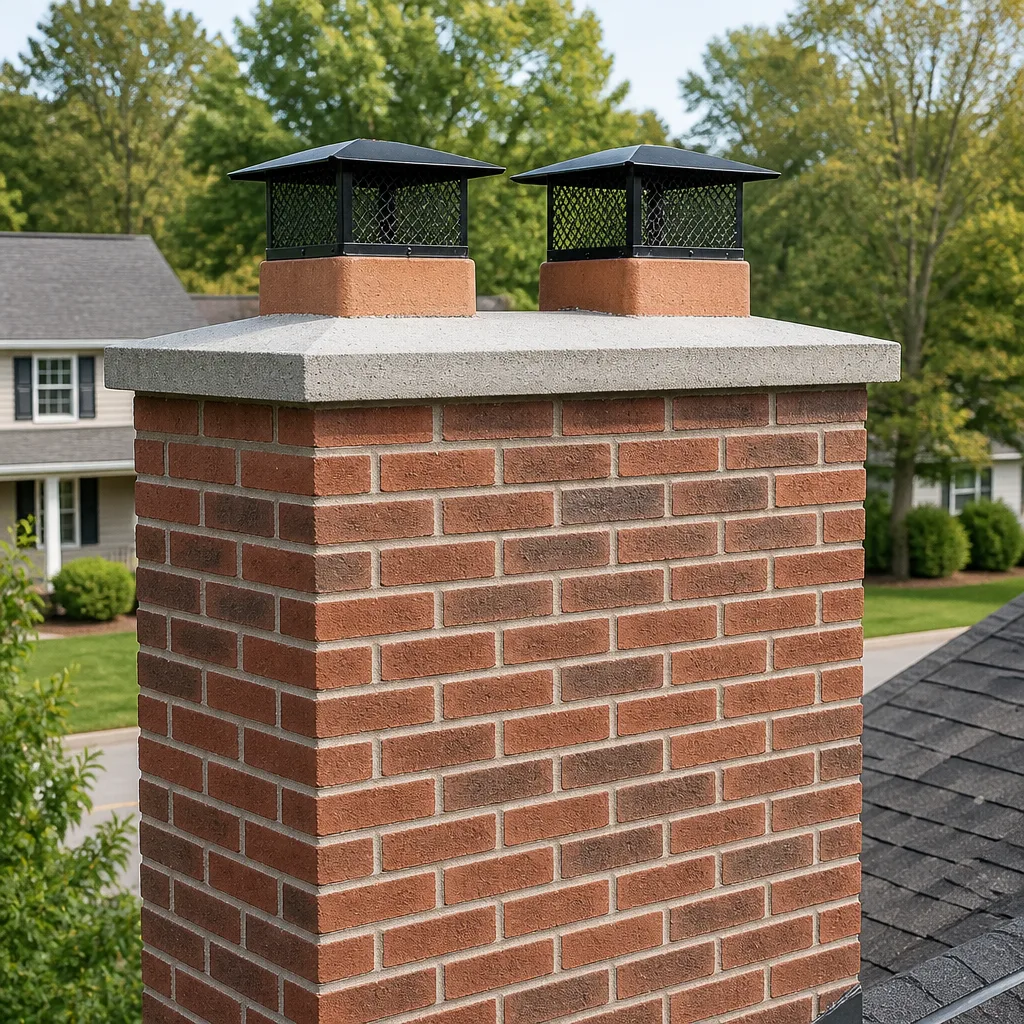 Caps & crowns
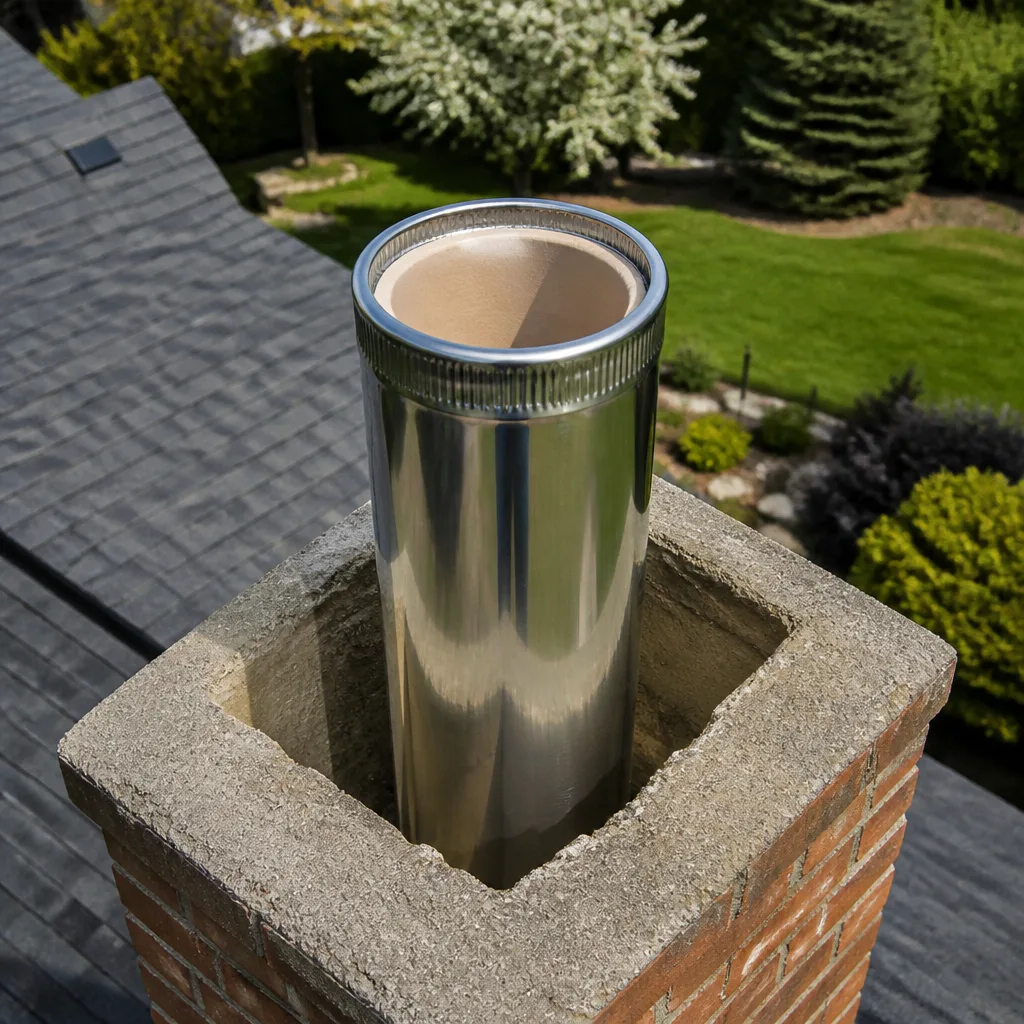 Flue relining
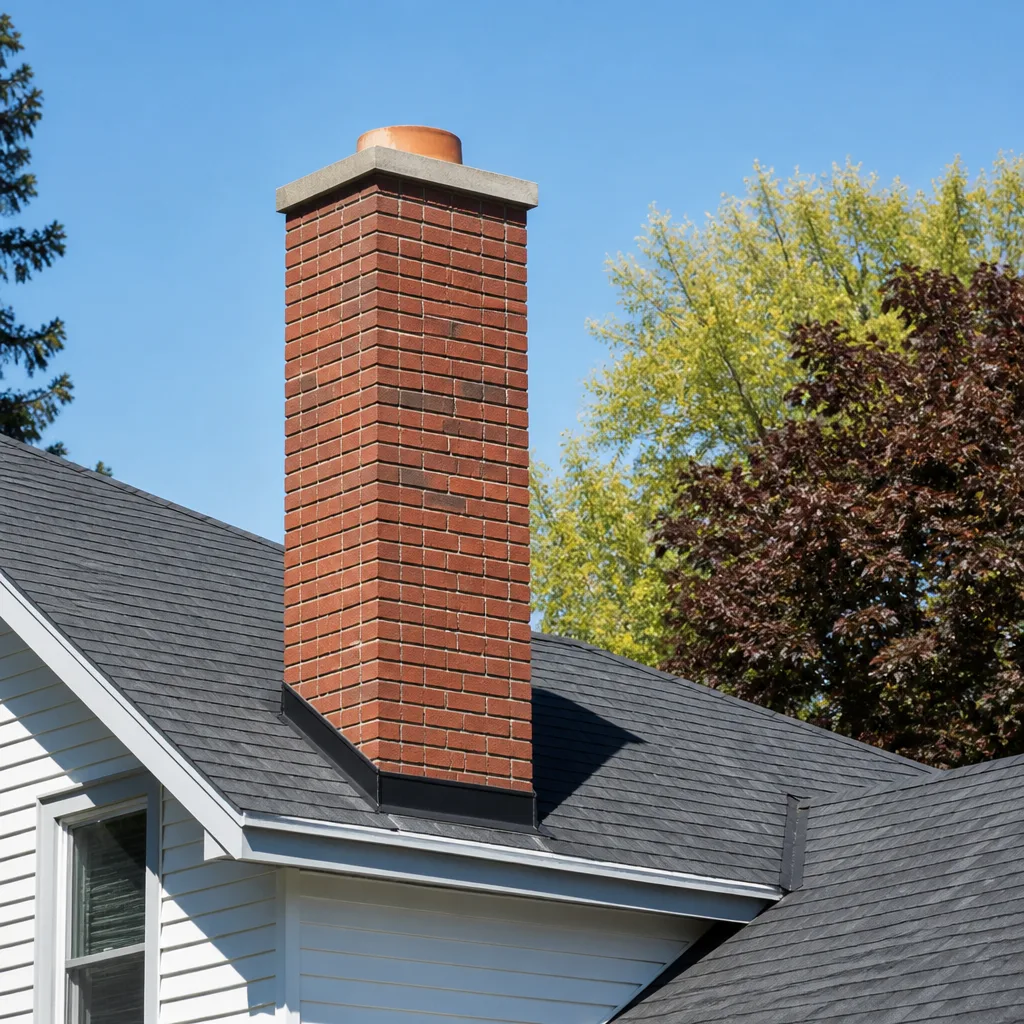 Masonry repair
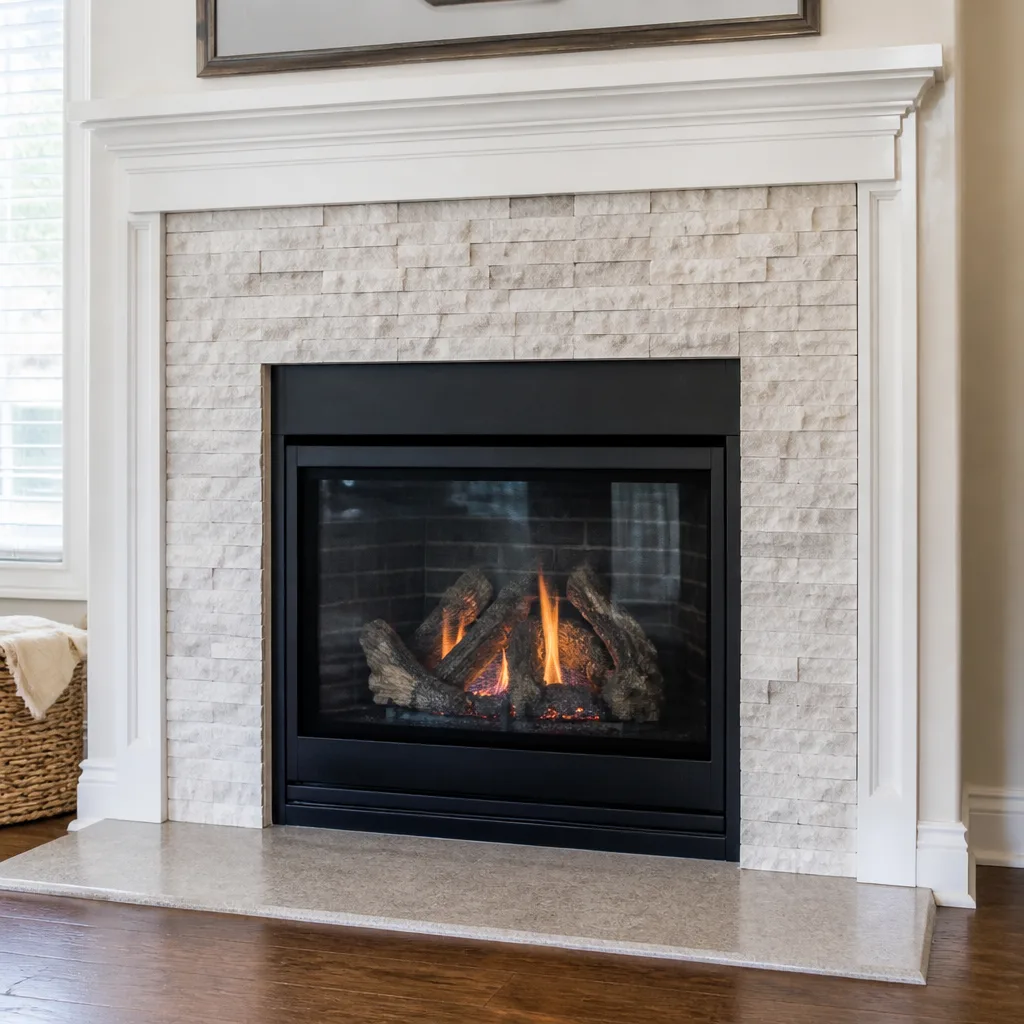 Gas fireplace service
Level 1 sweep and inspection to the NFPA 211 annual standard - flue, crown, cap, and flashing checked and photographed
Chimney sweep logs do not sweep chimneys. They loosen some creosote - which then falls where a brush and vacuum still have to collect it.
The Complete Guide to Chimney Cleaning in Syracuse
Most homeowners assume a chimney either works or it doesn’t. It looks fine from the living room, the smoke goes up instead of into the room, and that’s the end of the thought. But a chimney can pass a visual inspection and still be one slow-burning fire away from a serious creosote event. Syracuse’s long burning season, its cold-air inversions, and the way many homes here are heated all winter make that scenario more common than it sounds. In this guide we’ll walk through what chimney cleaning in Syracuse actually involves, from creosote staging to inspection levels to the exact steps of a professional visit. By the end you’ll know what you’re paying for, what to check yourself, and when to call.
Quick Answer
Chimney cleaning in Syracuse means removing creosote, soot, and blockages from the flue, then inspecting the full system from firebox to cap for cracks, gaps, and liner damage. It matters more here than in milder climates because long, cold winters mean heavy wood burning and slow, cool fires that build creosote faster. Most homes need a sweep and inspection once a year, and any home that has burned through a full season should be checked before the next one.
Styles & brands we work with
- Sweep & inspection
- Caps & crowns
- Flue relining
- Masonry repair
- Gas fireplace service
Table of Contents
- Why Syracuse Chimneys Build Creosote Faster Than You’d Expect
- The Three Stages of Creosote and What Each One Means
- Level 1, 2, and 3 Inspections Explained
- Flue Sizing and Firebox Volume in High-Altitude Homes
- What Actually Happens During a Professional Cleaning
- Local Wood Species and How They Affect Buildup
- Common Mistakes to Avoid
- When to Call a Professional
- Frequently Asked Questions
Why Syracuse Chimneys Build Creosote Faster Than You’d Expect
Creosote is a byproduct of incomplete combustion. When wood doesn’t burn hot and clean, the gases leaving the fire cool as they rise through the flue and condense on the cooler walls of the chimney. That condensation is creosote, and once it starts building, it acts like a sponge for more of the same. The temperature of the flue matters as much as the wood itself.
Here in Syracuse, temperature inversions are part of winter life. Cold air settles into the valley, warmer air sits above it, and smoke and exhaust get trapped near the ground instead of dispersing. That has a direct effect on how your chimney draws. When the outside air is cold and dense and the chimney is slow to warm up, draft is weak. A fire that’s smoldering or running cool because the flue isn’t pulling properly produces more unburned gases, and more unburned gases mean faster creosote staging.
Add the length of the burning season. Many Syracuse homeowners run a fire from October into March or later, and some use wood as a real heat source rather than ambiance. That’s a lot of hours for the flue to accumulate deposits. It’s also why a chimney that was fine in early winter can be a different story by spring.
- Weak draft from inversions: cool, smoldering fires produce more creosote than hot, clean ones.
- Long burn season: more total hours of use between cleanings.
- Mixed wood supply: whatever’s dry and available gets burned, and moisture content varies.
- Clay-heavy soils around the home: ground movement and moisture can stress the chimney’s exterior over time, letting water find mortar joints.
The takeaway is that a Syracuse chimney deserves eyes on it at least once a year, not once every three or four. If you’re ready to schedule a chimney sweep, the visit tells you exactly how much creosote you’re carrying and what stage it’s in.
The Three Stages of Creosote and What Each One Means
Not all creosote is created equal. Chimney professionals classify it in three stages, and knowing which one you have tells you how urgent the situation is and what kind of cleaning it takes.
Stage 1: Soot and Flaky Creosote
This is the light, dusty, flaky layer that builds up during the first part of the season, especially if you burn dry wood in a hot fire. A standard brush sweep removes it cleanly. Stage 1 is what you want to find when we pull the camera in.
Stage 2: Hard, Crusty Deposits
Stage 2 creosote is flaky but dense and crusted, harder to break loose than soot alone. A brush still does the job, but it takes more effort and may require a second pass. If you’ve gone a couple of seasons between cleanings or burned wet wood regularly, you’re probably looking at Stage 2.
Stage 3: Glazed, Glassy Creosote
Stage 3 creosote is the dangerous one. It’s glazed, hardened, and shiny, like a layer of glass bonded to the flue wall. It doesn’t come off with a brush. It burns hot and sustained, which is why it’s the stage most closely tied to chimney fires. Stage 3 requires mechanical removal, sometimes chemical treatment to soften it before removal, and a close look at the liner once it’s gone.
Most homeowners have never seen the inside of their own flue, so a camera scan is how we tell you honestly which stage you’re carrying rather than guessing from the outside. If a liner is deteriorated underneath the creosote, we may recommend resurfacing with HeatShield rather than defaulting to a full liner replacement, giving you a real repair option before replacement becomes the only one.
Level 1, 2, and 3 Inspections Explained
Chimney inspections come in three levels, and knowing which one applies to your situation keeps you from paying for more than you need or getting less than the job requires.
- Level 1: A visual inspection of the accessible portions of the chimney, firebox, and flue with basic tools, no camera and no dismantling. It’s the standard for an annual checkup on a chimney that’s in otherwise good condition with no known problems.
- Level 2: A Level 1 plus a video camera scan of the flue interior and inspection of accessible attic, crawlspace, and rooftop components. This is the level that applies after a change in heating appliance, after a chimney fire, after an earthquake, or before a repair or sale. In practice, after Utah’s fire season, a Level 2 is the inspection most homes get.
- Level 3: Diagnostic inspection that may involve opening walls or dismantling parts of the chimney when a Level 2 found a problem that can only be confirmed by access. Level 3 is rare and comes after a specific concern.
For most annual cleanings in Syracuse, a Level 2 with a camera scan is what you want, because it catches liner cracks and gaps you’d never see with the naked eye. If you’ve had a chimney fire, roof damage, or a change in how the chimney is used, ask for Level 2 explicitly.
Flue Sizing and Firebox Volume in High-Altitude Homes
Flue sizing rarely comes up in a typical conversation about chimney cleaning, but it’s one of the most common root causes of the problems we’re called out to look at. A flue that’s too big for the firebox struggles to stay warm, which means a slower, cooler draft. A flue that’s too small can’t carry the smoke fast enough and the fire runs thirsty for air. Both scenarios push combustion toward the incomplete side, and that means more creosote.
High-altitude homes have an extra wrinkle: air is thinner, so the chimney needs a slightly larger effective flue or a taller stack to draw the same draft it would at sea level. Builders don’t always account for this, and after a few seasons of weak draft, homeowners start noticing smoke smell, downdrafts, or a fire that won’t stay lit.
How to tell if you have a mismatch:
- Smoke rolling into the room when you first light a fire: the flue is slow to warm, often because it’s oversized.
- Persistent smoky smell even when the fire is out: downdraft, common with undersized or too-short flues or with poorly sealed caps.
- Fire that won’t stay hot: starving for draft air, sometimes an undersized flue relative to the firebox.
- Creosote building faster than expected: the classic sign that draft is cool and combustion is incomplete.
If the sizing check points to a problem, relining with a flexible DuraFlex system is a strong option because it can accommodate offset or irregular flue paths that rigid liners struggle with in older homes. A liner isn’t just about size, it’s about giving the fire a smooth, properly sized path from firebox to cap.
What Actually Happens During a Professional Cleaning
A real chimney cleaning is a sequence, not a brush pushed up a hole. If you’ve ever wondered what you’re paying for, this is the order the work happens in.
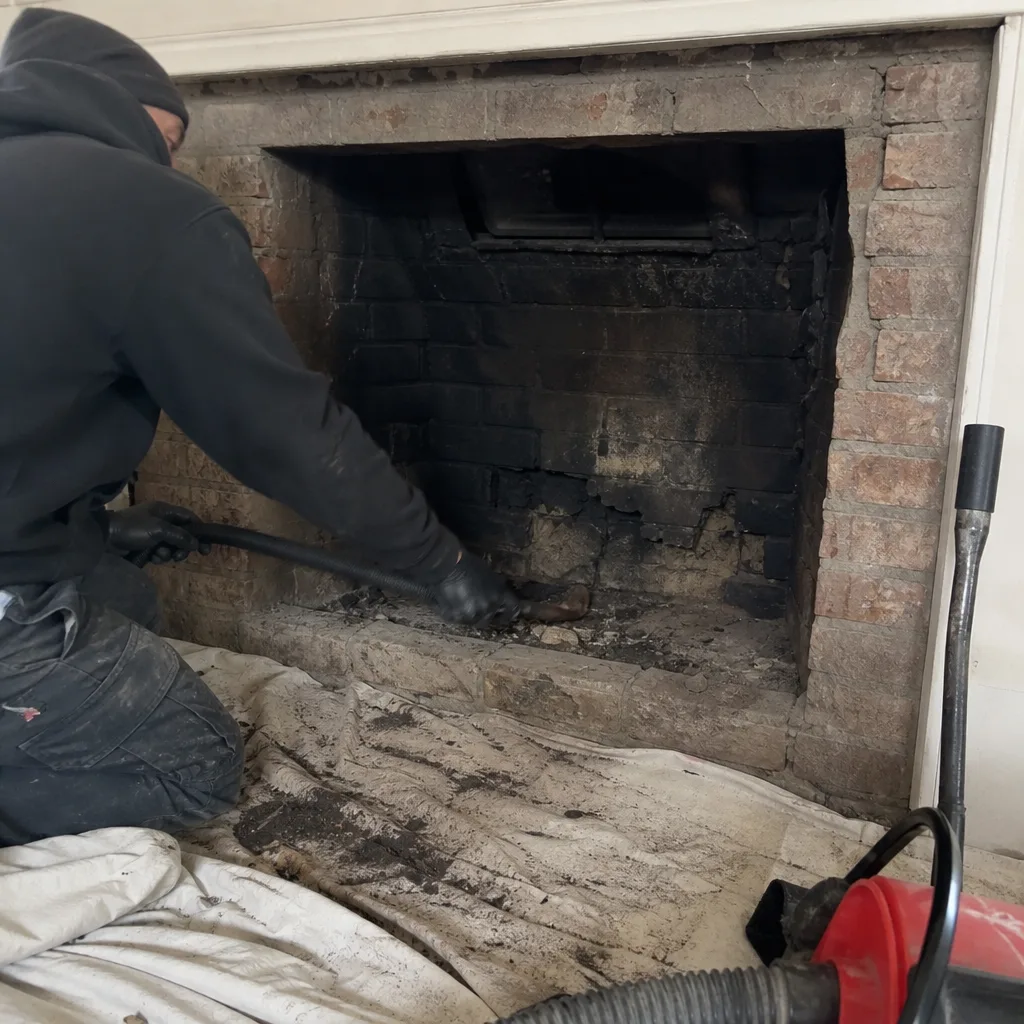
- Lay down drop cloths and prepare the firebox. The living room stays clean, including the hearth and the floor in front of it.
- Camera scan the flue. We push a camera up the flue and look at the liner wall, joints, and transitions to identify creosote stage and any damage before touching anything.
- Brush the flue with the right tool for the deposit. A flexible rod and brush match the flue size and the creosote stage; Stage 3 glazed deposits get mechanical attention beyond a standard brush.
- Brush the firebox and smoke shelf. This is where soot collects and where blockages hide.
- Clean the damper and smoke chamber. The damper must open and close freely and seal correctly when closed.
- Check the cap and crown. A cracked crown or missing cap is a common source of water intrusion, and water is what kills mortar.
- Run a smoke test. A small controlled smoke check confirms draft and that the flue path is clear.
- Photo report and written summary. You see what we see. Nothing gets recommended without photo evidence you can look at yourself, and we’ll say plainly when work can safely wait.
This is why a proper visit takes a couple of hours, not fifteen minutes. It’s also why the estimate you get for any follow-on work is grounded in what the camera showed, not in what was guessed from the outside. Olympus Chimney caps and crowns are among the components we install when the inspection shows the top of the system needs attention.
Local Wood Species and How They Affect Buildup
The wood you burn matters. It’s not just a matter of preference, it’s a variable in how fast creosote builds and how clean the chimney burns.
- Pine and other soft woods: dry faster, burn hot and fast, and leave more creosote when burned green or in a slow fire. Common in Weber County because it’s readily available and easy to split. Pine is fine when it’s truly dry and burned hot, but it rewards a hot fire more than hardwood does.
- Oak: dense, slower to season, but burns long and steady with less frequent reloading. Wet oak is the worst case; the moisture cools the fire and pushes creosote staging faster than almost anything else.
- Mixed hardwood: a reasonable compromise. Hardwood gives you a more consistent fire, provided the moisture content is low.
The single variable that matters most is moisture content. Wood that hasn’t seasoned properly produces more creosote no matter the species. Split wood, stack it where air moves through it, and give it real time before burning. In a Syracuse winter, a homeowner is tempted to burn whatever’s coming out of the stack, and that’s where a lot of Stage 2 deposits start.
The second variable is fire behavior. A hot fire burns cleaner than a smoldering one. If you tend to load the firebox at night and let it burn down slowly, expect more creosote and clean more often.
Common Mistakes to Avoid
- Going three or four seasons between cleanings. Syracuse burn seasons are long, and what looks fine from the room can hide Stage 2 or Stage 3 deposits. Annual is the baseline here, not a luxury.
- Burning wet or unseasoned wood. Moisture cools the fire and accelerates creosote staging regardless of species. Pine gets blamed, but wet oak is just as bad.
- Choking the fire down to “make it last.” A smoldering fire is the enemy of a clean flue. Hot, bright fires burn cleaner than long, smoky ones.
- Skipping the camera scan. A visual check from the fireplace opening can miss liner cracks and offset damage entirely. The camera is how you catch what would otherwise surprise you.
- Ignoring the cap and crown. Water is the slow killer. A cracked crown or missing cap lets water into the chimney, and water is what deteriorates mortar year by year.
- Assuming a liner that passed inspection has years left. A liner can look intact in a camera scan and still need resurfacing if the surface is spalling. HeatShield resurfacing is a real option before you go to replacement.
- Lighting the first fire of the season without an inspection. The first fire after a long summer is when blockages (nests, debris, creosote fall) get discovered, and it’s better to discover them before you light.
When to Call a Professional
Some situations just need a phone call. If you’ve had a chimney fire, even a small one, call before you use the fireplace again. If you notice a strong creosote smell, smoke rolling into the room when you light a fire, a damaged cap or crown, or a liner that hasn’t been checked in years, those are all signals to get an inspection rather than guess. And if your home hasn’t had a sweeping or inspection in more than a year, this is the season to change that. Syracuse Chimney Sweep offers free estimates in Syracuse. Call (877) 820-8528. We answer 24/7. Fast dispatch from 7am to 7pm, Sunday through Friday. Nothing gets recommended without photo evidence you can see for yourself, and we’ll tell you plainly when work can wait.
Frequently Asked Questions
Once a year is the baseline for most homes in Syracuse, and that’s true even if you only burn on cold nights. The long burning season and slow-draft winter fires here build creosote faster than a mild climate would, so annual cleaning plus an inspection is the right rhythm.
A typical sweep-and-inspection in Syracuse runs in the low-to-mid hundreds of dollars, and the written estimate sets the final price once the camera scan shows what’s actually in the flue. Heavier deposits, liner damage, or cap and crown work add to that. Call (877) 820-8528 for an exact quote – estimates are free.
You can’t tell from the outside, and that’s the point. Stage 3 creosote is glazed and shiny and doesn’t brush off, so it has to be identified with a camera scan of the flue interior. If the inspection shows glazed deposits, we treat it as a priority because it’s the stage most closely associated with chimney fires.
Skipping a year increases the odds that Stage 2 deposits turn into Stage 3, and it means the camera scan happens less often. In a Syracuse winter with long burn hours, we don’t recommend skipping. Call (877) 820-8528 and we’ll walk you through what a one-year-old chimney typically looks like.
Not always. If the liner is deteriorated but structurally usable, HeatShield resurfacing can extend its life without a full replacement, and that’s a genuine option worth discussing before replacement. If the liner is failing in a way that resurfacing can’t fix, we’ll show you the photos and explain why.
We’re closed Saturday and open Sunday through Friday, 7am to 7pm, so we schedule visits during the week and on Sunday. Call (877) 820-8528 and we’ll find the first opening that works for you.
The Bottom Line
Chimney cleaning in Syracuse isn’t about a brush and a bucket. It’s about recognizing that the local climate, the length of the burn season, and the way wood burns at high altitude all affect how fast creosote builds and how quickly the masonry behind it wears. A professional visit with a camera scan, a real brush sequence, and a smoke test gives you the truth about your chimney instead of a guess. If it’s been more than a year, or if you’ve had a chimney fire or noticed smoke behavior that isn’t normal, call (877) 820-8528 for a free estimate. From the firebox to the cap, the team at Syracuse Chimney Sweep handles sweep, fireplace repair, chimney repair, and liner work with the same specialist approach.
Written by the team at Syracuse Chimney Sweep.
See the difference
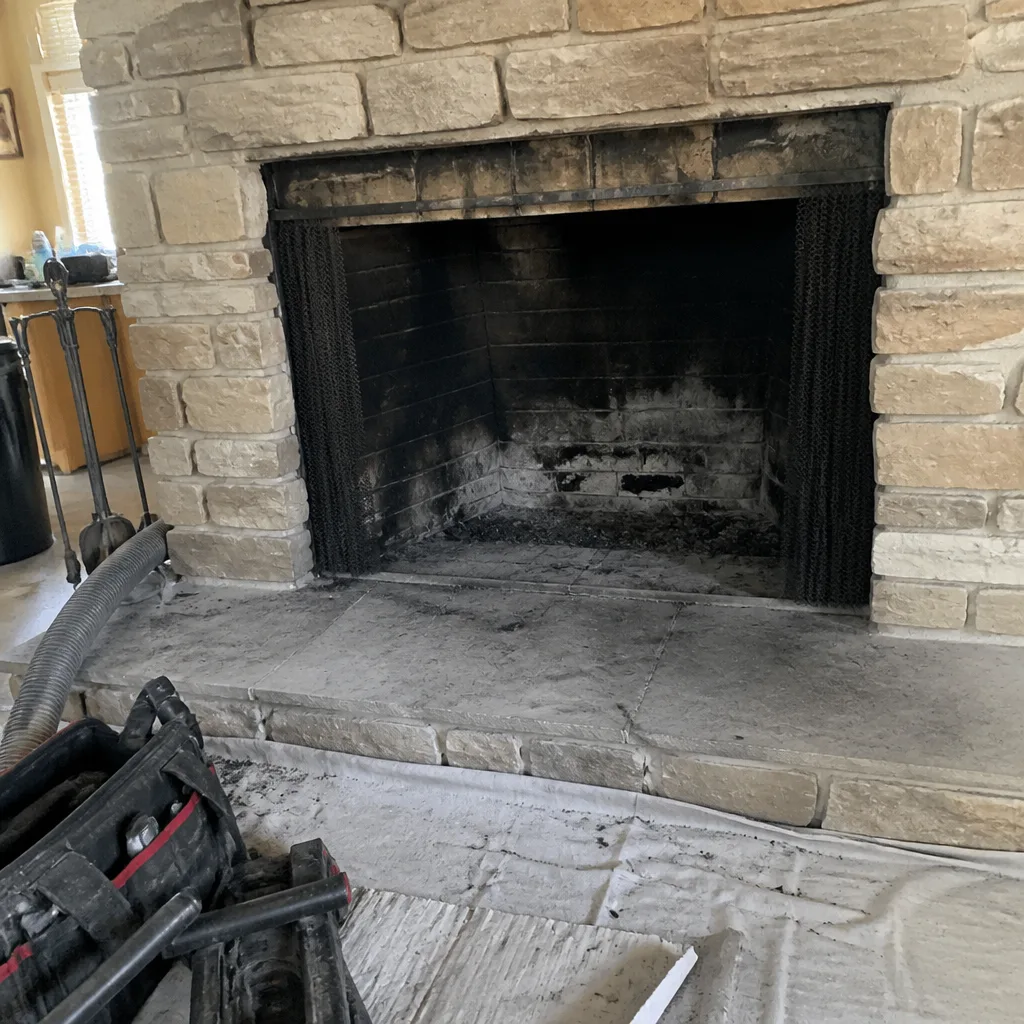 Before
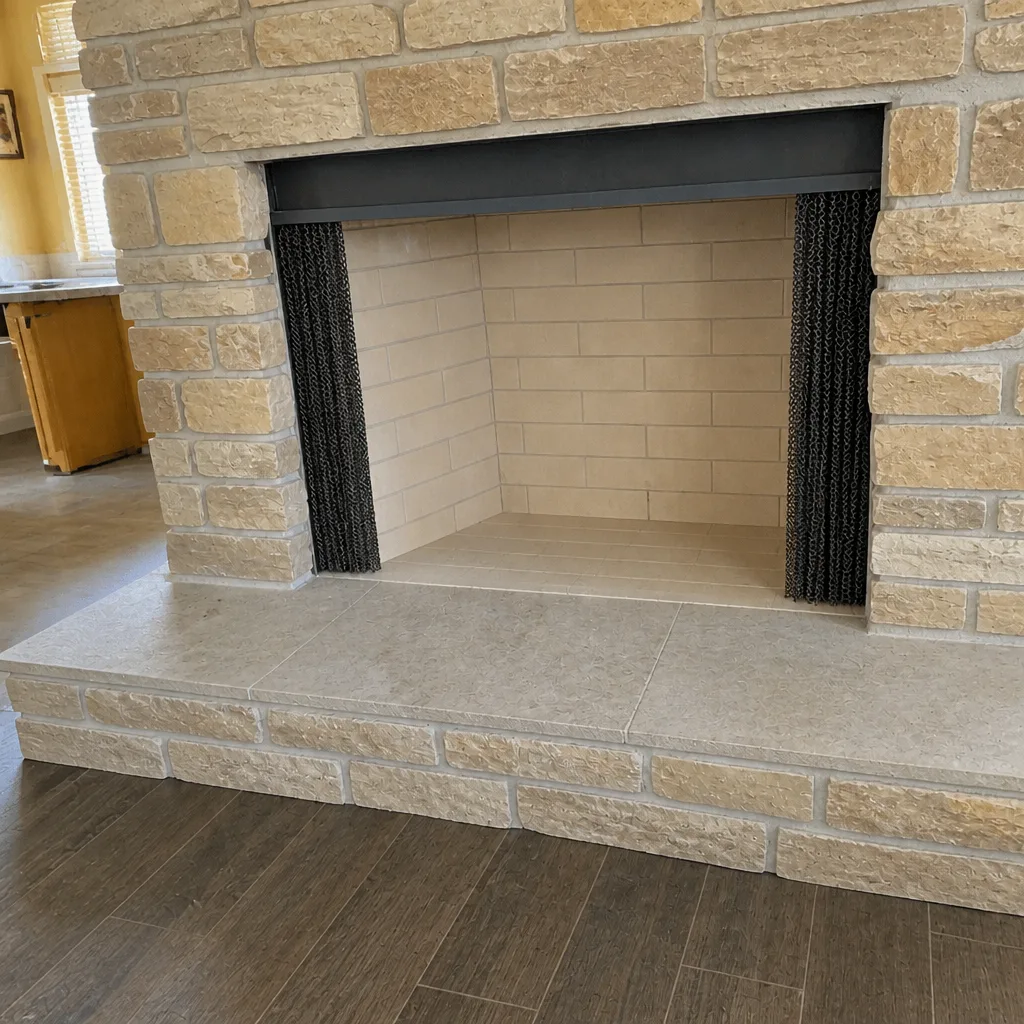 After
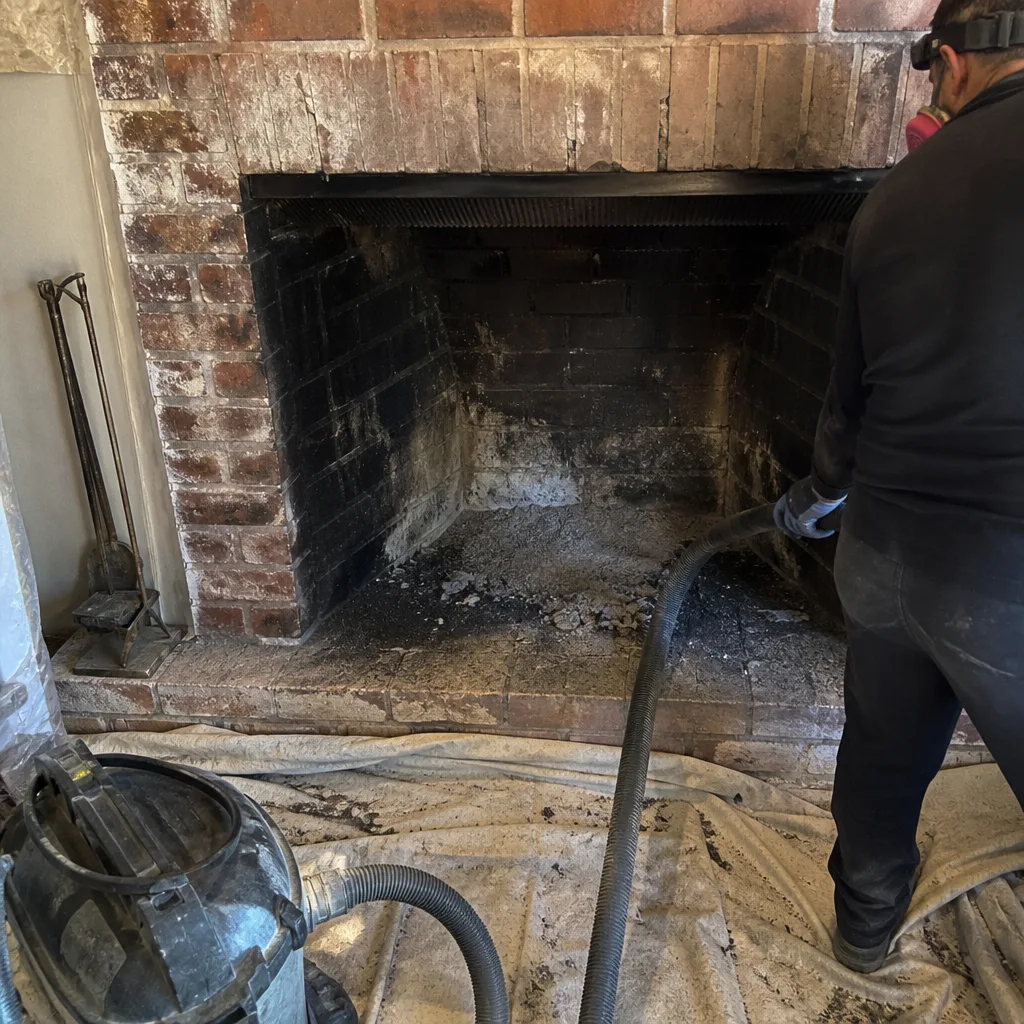 Before
 After
 Before
 After