
Last updated November 24, 2026
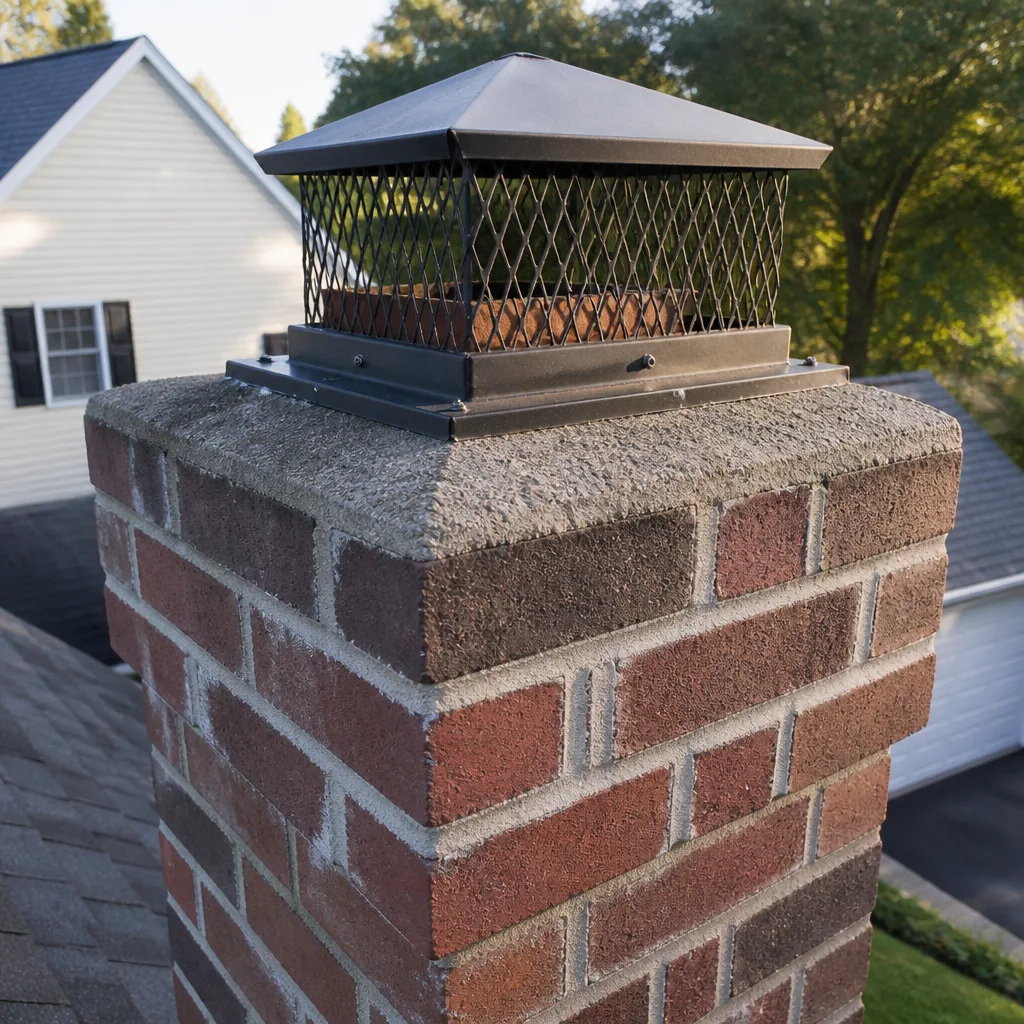 Sweep & inspection
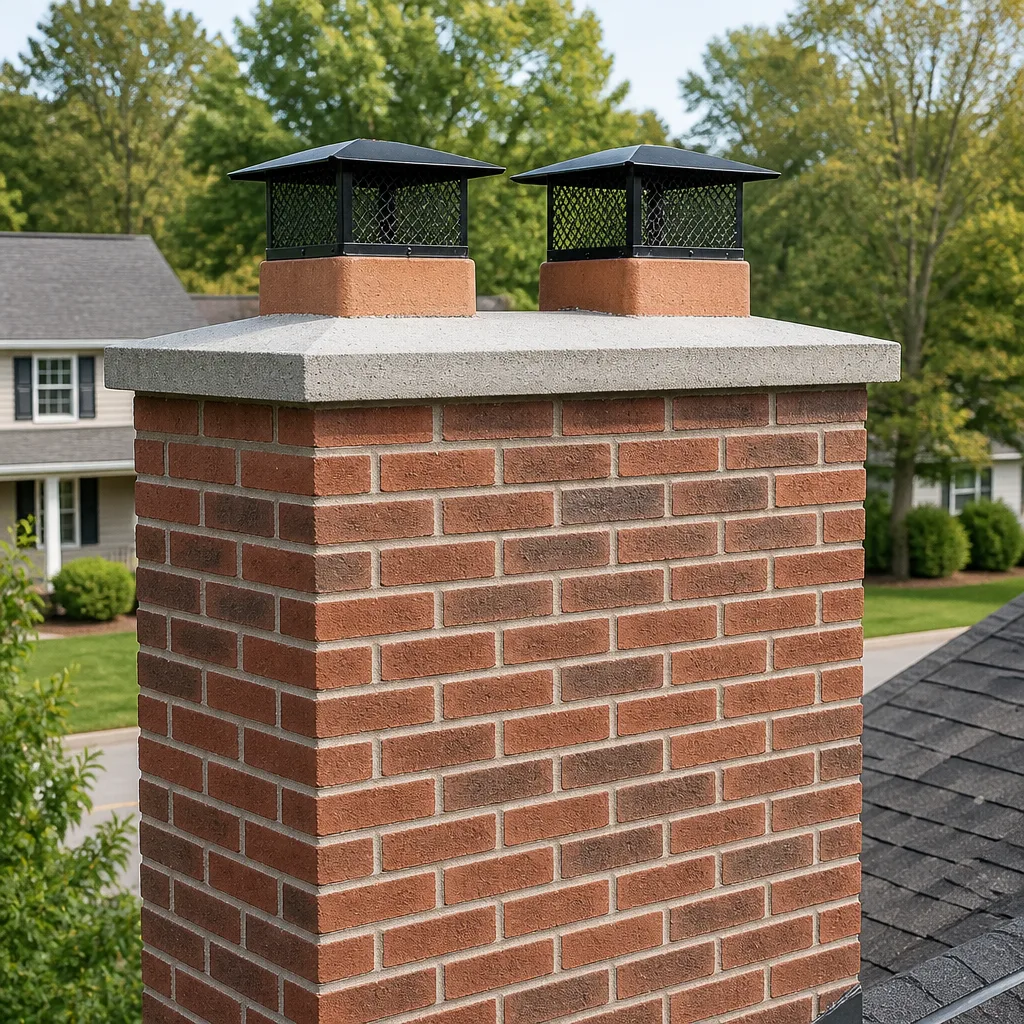 Caps & crowns
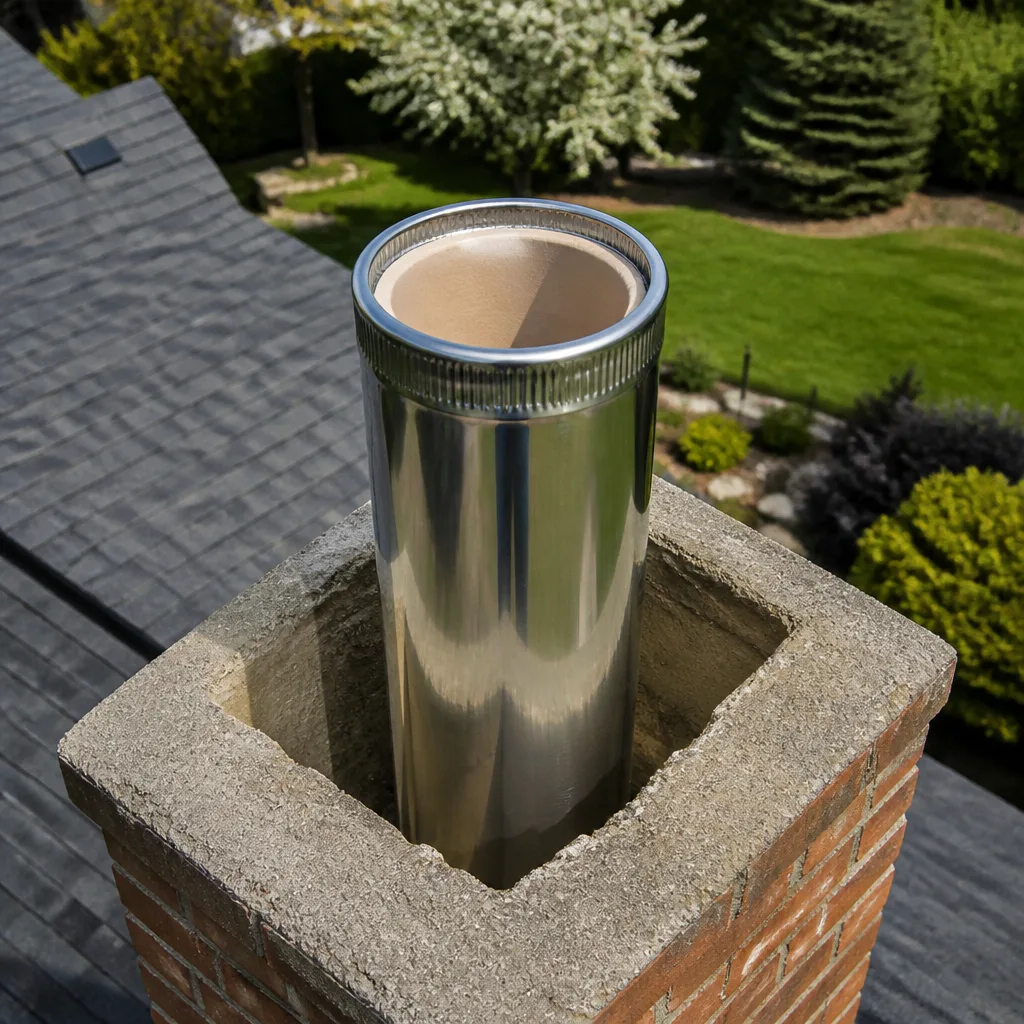 Flue relining
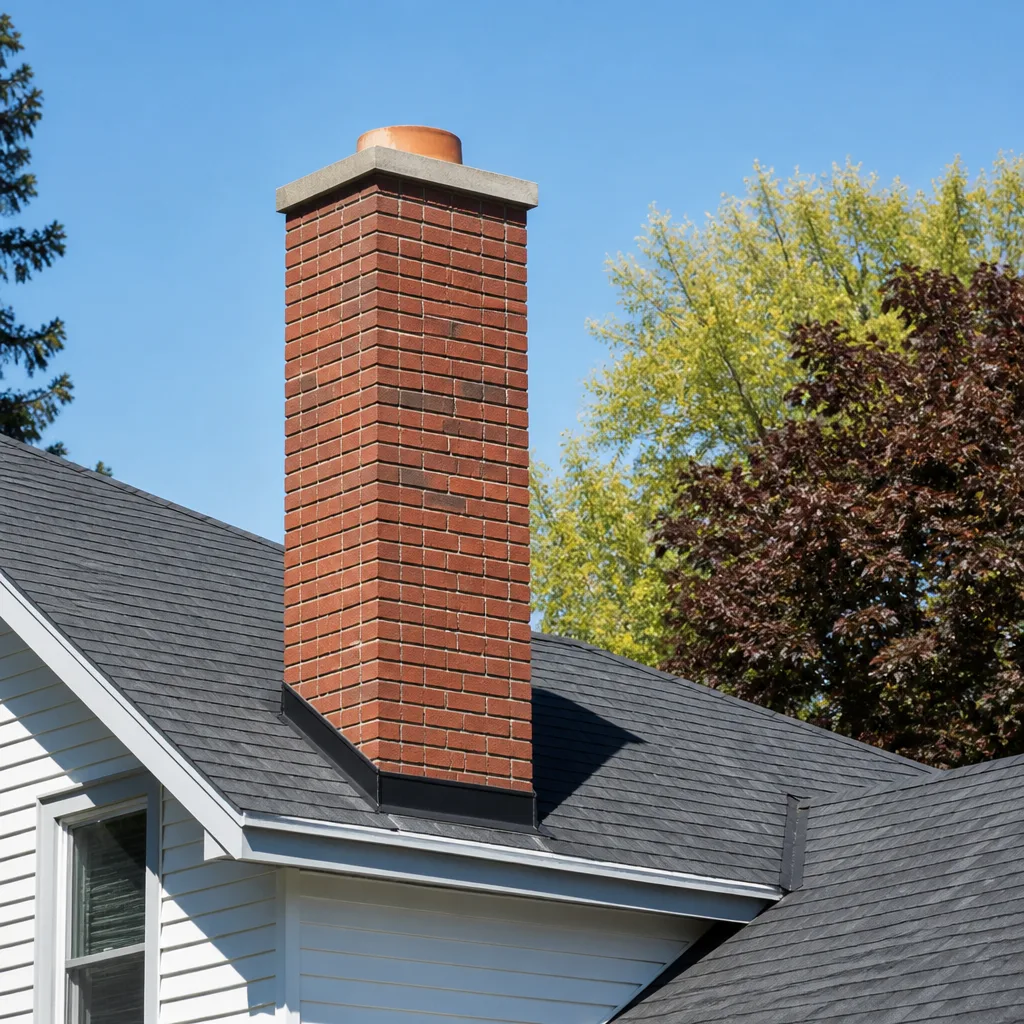 Masonry repair
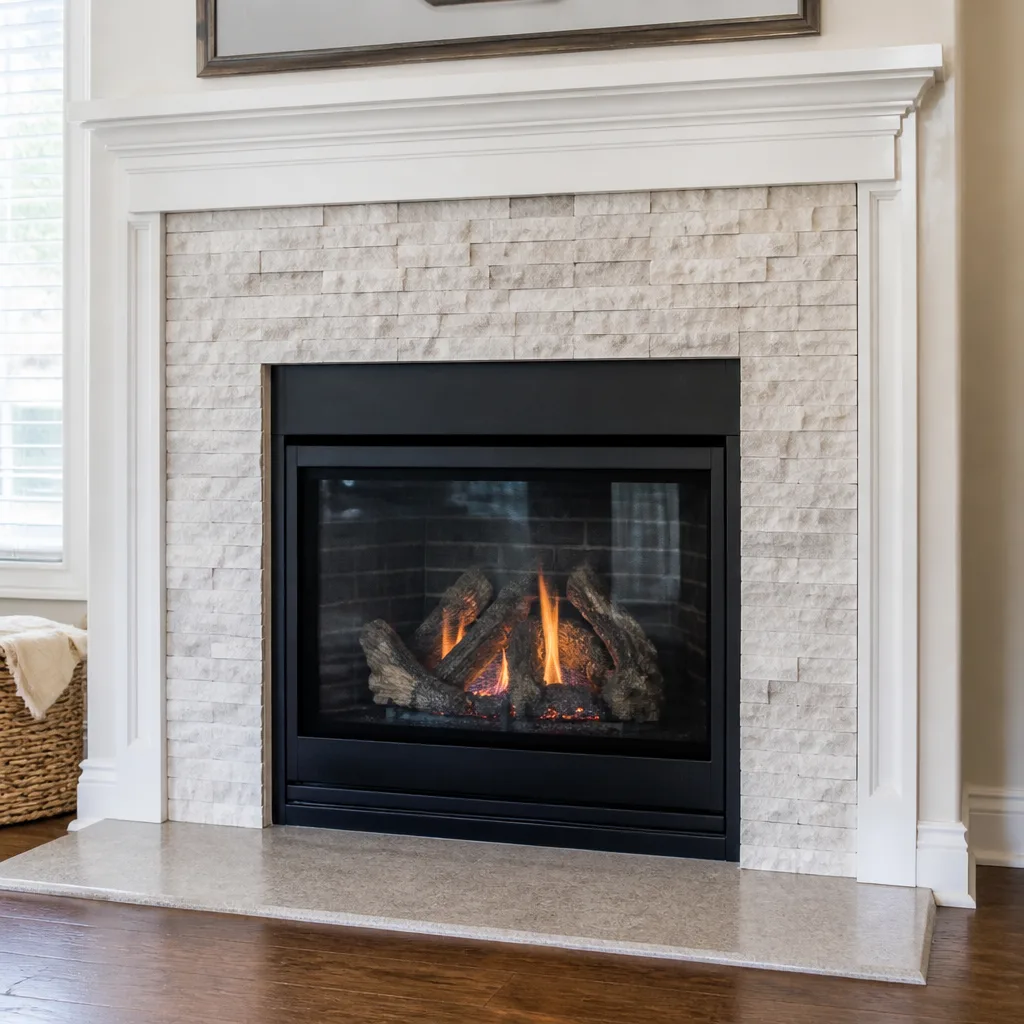 Gas fireplace service
Level 1 sweep and inspection to the NFPA 211 annual standard - flue, crown, cap, and flashing checked and photographed
Chimney sweep logs do not sweep chimneys. They loosen some creosote - which then falls where a brush and vacuum still have to collect it.
Chimney Cleaning Cost Breakdown: The Syracuse Homeowner’s Reference for 2026
That $89 chimney cleaning coupon in your mailbox every fall isn’t a cleaning. It’s a loss-leader inspection with a brush attached to it, priced to get a technician through your door so the real work can be sold on the back end. Understanding why that price can’t possibly cover a legitimate sweep is the fastest way to decode how chimney cleaning actually gets priced in Syracuse. In this guide, we break down every line item a real cleaning includes, how system type and creosote stage change the numbers, and how to read any quote you’re handed this season.
Quick Answer
In Syracuse, a standard chimney cleaning in 2026 typically runs $150 to $300 for a wood-burning masonry fireplace, and $120 to $220 for a prefab or gas system, with a camera inspection and written report included. Heavy creosote, difficult access, or discovered damage pushes the total higher, and a written estimate always sets the final price. Anything quoted well below that range is usually an inspection disguised as a cleaning.
Styles & brands we work with
- Sweep & inspection
- Caps & crowns
- Flue relining
- Masonry repair
- Gas fireplace service
Table of Contents
- What Are the Base Cost Components of a Legitimate Cleaning?
- How Does System Type Change the Cost in Syracuse?
- What Do Creosote Stages Mean for Labor and Cost?
- When Are Additional Charges Legitimate?
- How Do You Read a Quote for What It Actually Includes?
- Does Timing Affect What You Pay in Syracuse?
- What’s the Difference Between an Inspection and a Sweep?
- Common Mistakes to Avoid
What Are the Base Cost Components of a Legitimate Cleaning?
A legitimate cleaning is a multi-step process, and each step carries its own cost. When you see a real quote broken down, it should map to these five components. If a quote doesn’t reference any of them, ask why.
- Inspection time: A trained technician examines the firebox, damper, smoke chamber, flue, and cap before any brush touches the flue. This takes 15 to 30 minutes on a standard system and represents a real labor cost.
- Camera scan: A video camera run down the flue documents the liner condition from the inside. This is the step that catches hidden cracks, gaps, and offset damage. It typically adds $50 to $100 to a cleaning ticket when not bundled, and it should always be included with a first-time customer.
- Brush work: The actual sweeping, using poly or wire brushes sized to the flue. Labor time scales with flue height and creosote volume.
- HEPA vacuum containment: A proper vacuum system with HEPA filtration keeps soot and ash out of your living space. A drop cloth and a shop vac isn’t the same thing.
- Written report: What was found, what was cleaned, what needs watching, and what needs repair. You should leave the appointment with documentation in hand.
In the Syracuse market, that package lands in the $150 to $300 range for a masonry fireplace. When the coupon price is $89, one of those five lines has been removed.
How Does System Type Change the Cost in Syracuse?
The type of chimney on your Syracuse home changes the scope of the work, and the scope changes the price. Masonry chimneys are typically the most involved because the flue has to be evaluated for mortar joint deterioration, spalling brick, and liner integrity, not just swept. Prefab and factory-built systems are usually faster to clean because access panels are designed in, but they carry their own inspection requirements. Gas fireplaces produce less creosote but still need venting checked for corrosion and blockage.
- Masonry wood-burning fireplace: $150 to $300 for a standard clean with inspection. Clay tile liners deteriorate over time and often need resurfacing or relining, which is a separate scope.
- Prefab / factory-built fireplace: $120 to $220. Faster access, but the manufacturer’s venting clearances and component integrity have to be verified.
- Gas fireplace or insert: $100 to $180. Lower creosote load, but venting, termination, and draft need checking.
- Wood stove or insert: $150 to $280. Baffles and bypass dampers come out for cleaning, and reinstallation adds time.
If you’re not sure what type of system you have, that’s a common situation in Syracuse homes built in the 1970s and 1980s where an insert was added at some point and the original documentation is gone. A visual inspection at the start of the job answers the question before any pricing is finalized.
What Do Creosote Stages Mean for Labor and Cost?
Creosote is what actually determines how long a cleaning takes. Stage 1 creosote is a light, flaky soot that brushes off easily and is what most annual cleanings deal with. Stage 2 is a glazed, hardened deposit that resists standard brushing and often requires rotary tools or chemical treatment. Stage 3 is the dense, tar-like build-up that requires specialized removal products and substantially more labor time.
- Stage 1 (light soot): Standard brush work. Fits the base cleaning price.
- Stage 2 (glazed): Adds $50 to $150 for rotary tooling or chemical application time.
- Stage 3 (tar-like): Can add $200 or more depending on flue size and access, and often signals that the liner needs evaluation for resurfacing or replacement.
Syracuse winters favor long, slow-burning fires, and long, slow-burning fires produce more creosote than hot, fast ones. That’s why we see more Stage 2 build-up in Syracuse than in warmer climates. You won’t know your stage until someone scans the flue, which is one reason a legitimate cleaning always includes a camera.
If the inspection finds the liner has deteriorated but isn’t structurally failed, resurfacing with a chimney repair method like HeatShield can restore it without pulling the whole liner. That’s a genuine cost-saving option that most quotes won’t mention.
When Are Additional Charges Legitimate?
Additional charges are legitimate when they represent additional labor or risk. They’re not legitimate when they show up as unexplained add-ons after the technician has already arrived. Several things legitimately move the price above the base:
- Chimney height: Taller chimneys take longer to brush and require more equipment. Above roughly 25 feet, expect an increase.
- Offset flues: Chimneys that jog to the side instead of running straight up require flexible rods or flexible liner systems like DuraFlex to reach the far section. An offset flue can add 30 to 60 minutes of labor.
- Animal intrusion: Nests, bird debris, and the residue that comes with them add removal time and often require cap work afterward.
- Documentation of liner damage: If the camera finds a crack or gap, the technician should record it. Full documentation with photos adds time but is what you want for insurance or future reference.
- Roof access difficulty: Steep pitch, skylights, or rooftop obstructions all add setup time.
None of these should surprise you after the fact. A chimney specialist should walk the exterior of the home before quoting, not after the truck is packed up.
How Do You Read a Quote for What It Actually Includes?
The single biggest difference between quotes in the Syracuse market is whether the camera inspection is included. A “visual sweep” clears soot from the flue but never sees the inside surface condition. A camera scan does. Two quotes that differ by $80 may not be quoting the same service at all.
Here’s what to check in any quote you receive:
- Does the quote list a camera inspection as a line item, or is it silent on it?
- Does it mention HEPA vacuum or dust containment?
- Does it include a written report?
- Does it reference the liner material and condition, or only the firebox?
- Does it quote a sweep, a Level 1 inspection, or a Level 2 inspection? These are different scopes.
- Does it price any additional work as a separate written estimate, or bundle it into the cleaning?
A quote should be readable by someone who isn’t a chimney professional. If you can’t tell whether the camera is included, ask directly and ask for it in writing. When the technician scans the flue, ask to see the screen. You’re paying for the video scan, so you should see the video scan.
If the scan shows you need a full liner at some point, that’s a separate project. Flexible systems like DuraFlex handle complex or offset configurations that rigid liners can’t reach, and a chimney cap and crown installation should go on the same schedule so water can’t get in and undo the new liner. Both are core scopes for a chimney specialist.
Does Timing Affect What You Pay in Syracuse?
Timing rarely changes the price of a cleaning. It changes the availability. September and October are the busiest months for chimney work in Syracuse because most homeowners wait until the first cold snap to call. By November, everyone who was going to call is calling at once.
The practical move is to book in late summer or early fall, after the burn season has ended and before the rush starts. That gives you a clean chimney headed into winter and time to address anything the inspection turns up. The same principle applies to fireplace repair: a firebox, damper, or grate issue caught in September is a small repair. The same issue discovered on a cold night in December is a project.
Our technicians have up to 10 years of experience reading Syracuse systems, and our experience is that the homes that get through winter without incident are the ones that got ahead of the season. If you haven’t had your chimney looked at yet, the next few weeks are the moment. Call (877) 820-8528 to book a sweep. We answer 24/7. Fast dispatch from 7am to 7pm, Sunday through Friday.
What’s the Difference Between an Inspection and a Sweep?
A sweep removes creosote. An inspection evaluates the condition of the chimney. They are two different jobs, though a legitimate cleaning includes both. The chimney industry recognizes three levels of inspection, and knowing which one you’re getting is critical to understanding what you’re paying for.
- Level 1 inspection: A visual check of readily accessible portions of the chimney, firebox, and venting. Standard with a routine cleaning.
- Level 2 inspection: Everything in Level 1 plus a video camera scan of the flue interior. Required after a chimney fire, a structural change, a change of fuel type, or a real estate transaction.
- Level 3 inspection: Everything in Level 2 plus access to concealed areas, which may involve opening walls or dismantling portions of the chimney. Reserved for specific diagnostic situations.
In our experience, the vast majority of Syracuse homeowners walking into a cleaning need at least a Level 2 inspection, especially if the chimney hasn’t been serviced in recent years or a change of ownership has happened. A quote that only covers Level 1 may miss liner cracking, offset damage, or smoke chamber issues that a camera would catch.
Ask which level your quote covers. If the answer is unclear, that’s the answer you need to understand before you hand over a credit card.
Common Mistakes to Avoid
- Treating the coupon price as a real cleaning price. The $89 or $99 coupon is a sales vehicle, not a service price. Expect an upsell conversation during the visit, and hold the technician to a written scope.
- Skipping the camera scan because it costs $50 more. The camera is the one part of the visit that finds problems while they’re still small. Skipping it is how small liner cracks become expensive rebuilds.
- Buying a “cleaning” that never touches the firebox. The firebox, damper, and smoke chamber are part of the system. A sweep that only brushes the flue hasn’t done the whole job.
- Ignoring animal intrusion between seasons. A nest built in a Syracuse chimney during spring is not just a draft problem; it’s a fire hazard. If you hear birds in the flue, get it checked before you light the first fire.
- Accepting a verbal estimate on structural repairs. Any repair that involves the liner, crown, or masonry should come with a written estimate that includes camera evidence. Nothing should be recommended that you can’t see for yourself.
- Putting off the sweep because the fire “burned fine last year.” A chimney can have a serious creosote load and still draft. The fire’s behavior is not a diagnostic tool.
- Scheduling your sweep in November when everyone else is calling. Book in late summer or early fall for the best availability and the widest window to act on what the inspection turns up.
When to Call a Professional
Call a chimney professional when the flue hasn’t been swept in over a year, after any chimney fire, after a chimney fire is suspected even without visible damage, when you notice a strong creosote smell during warm weather, when you hear animals in the flue, when the firebox or damper shows obvious deterioration, or when you’re buying a home and need a Level 2 inspection. Problems like a failing liner, a cracked crown, or a spalling firebox are structural, and high-tension springs, gas lines, and structural masonry are not DIY territory. Trained hands and documented evidence are the safety standard, and the local pro is licensed and insured as their state requires. Everything from the firebox to the cap falls under the same specialty, which is why a dedicated chimney specialist is the right call rather than a generalist. Syracuse Chimney Sweep offers free estimates in Syracuse, call (877) 820-8528 to schedule.
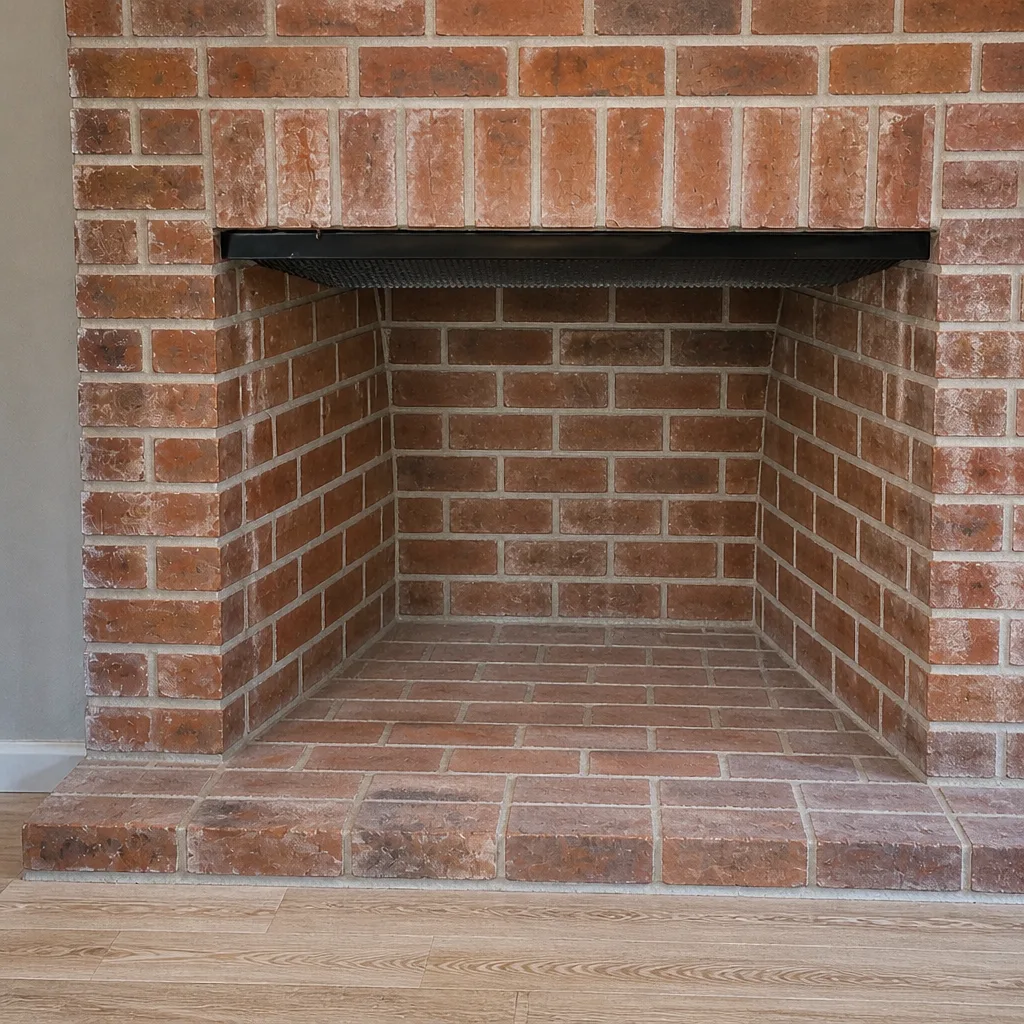
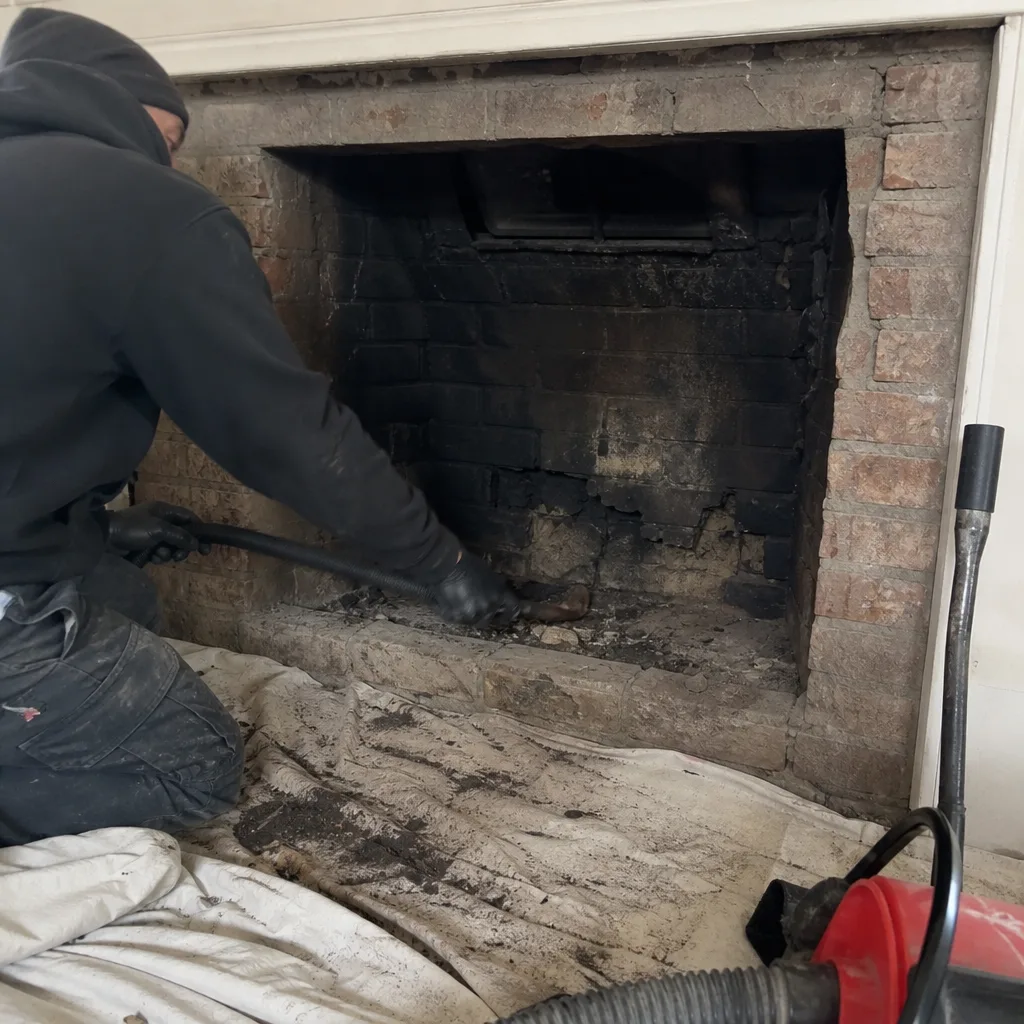
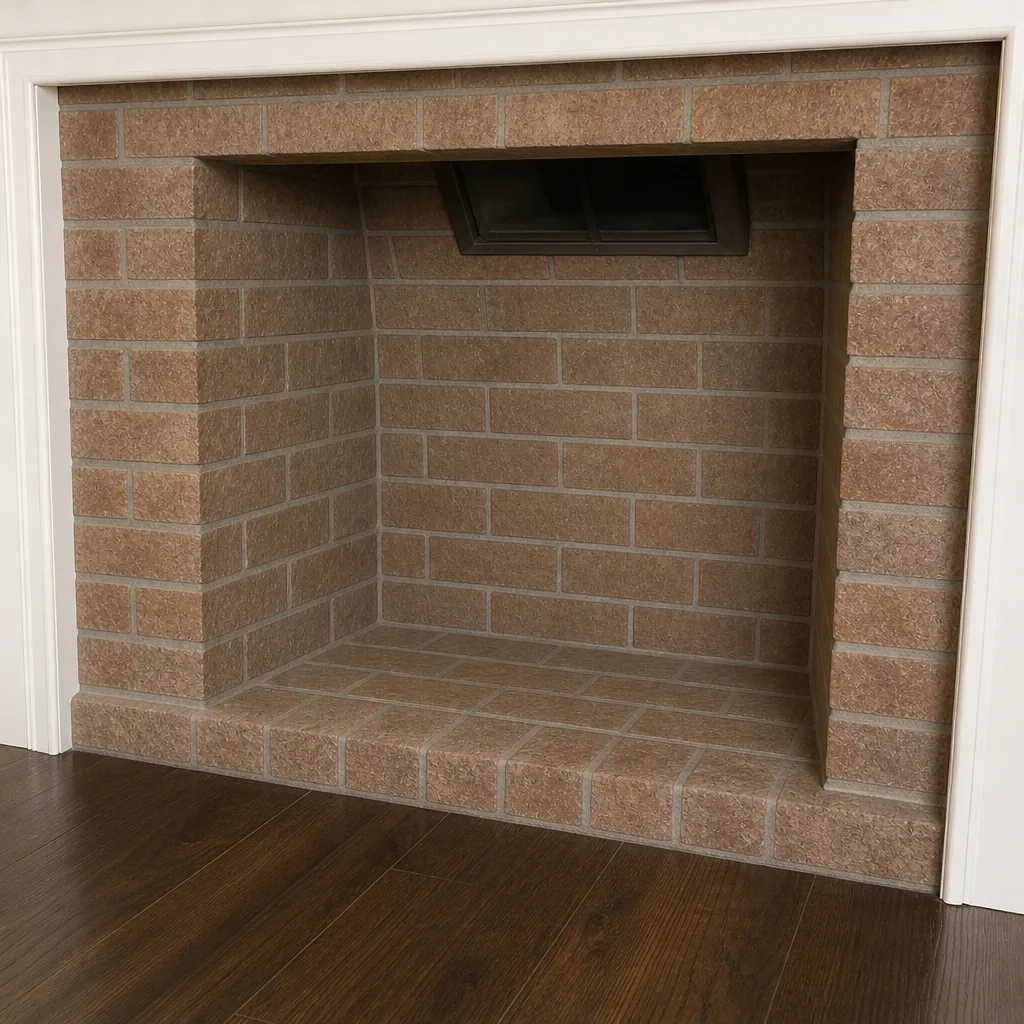
See the difference
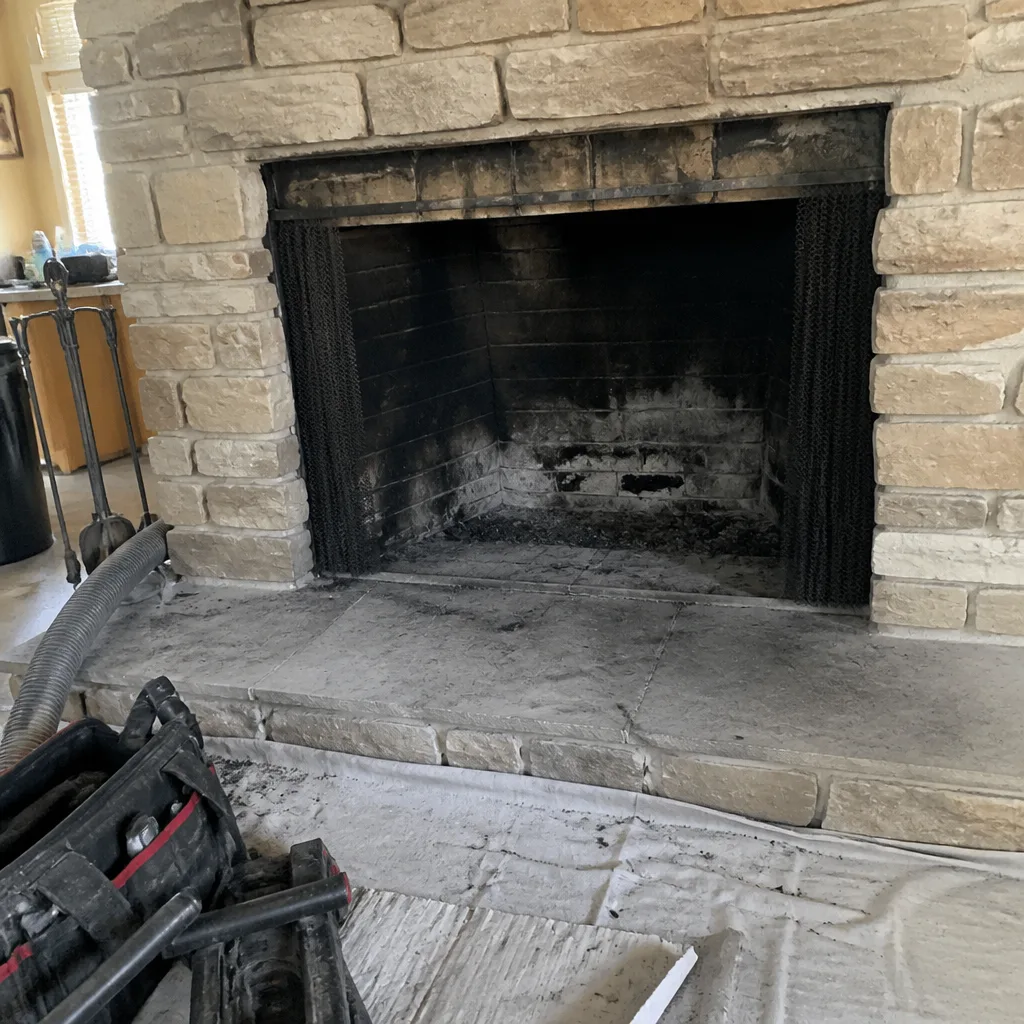 Before
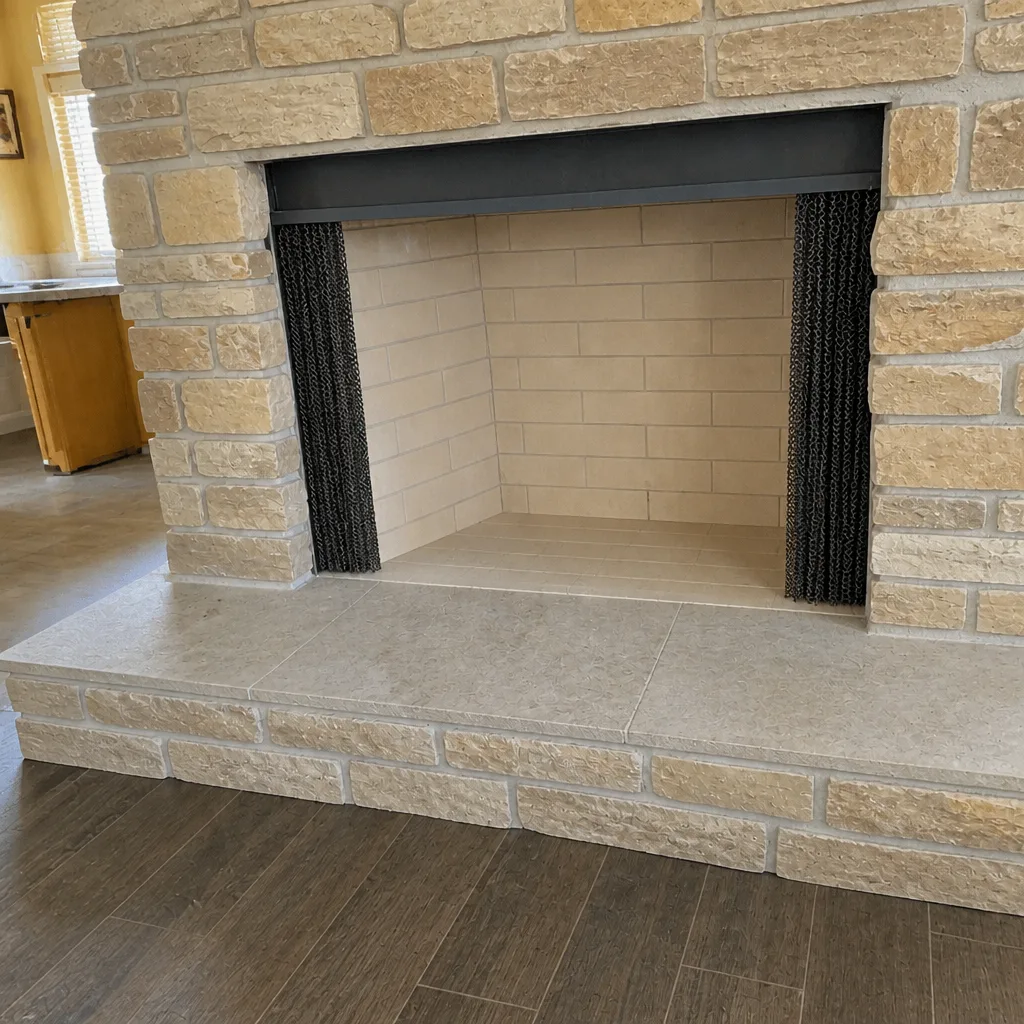 After
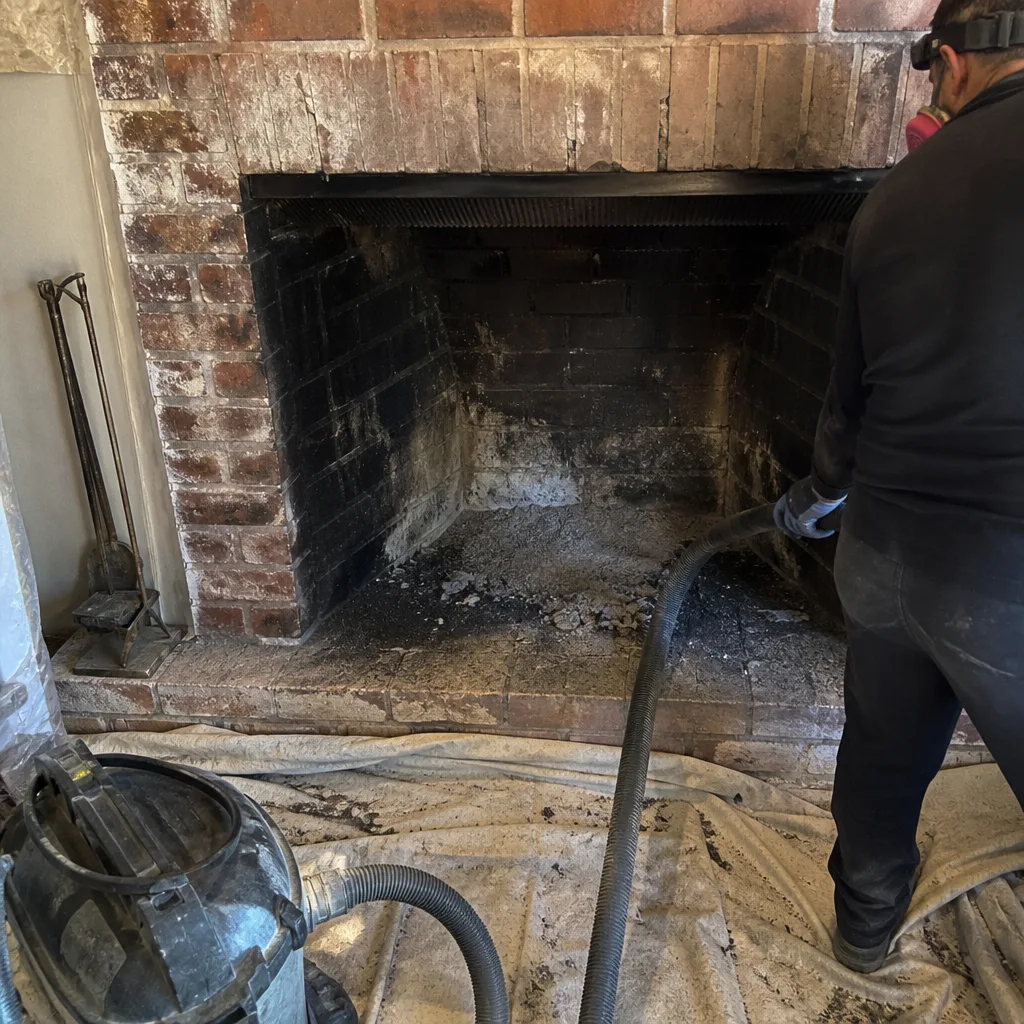 Before
 After
 Before
 After
Frequently Asked Questions
A standard chimney cleaning in Syracuse typically runs $150 to $300 for a masonry wood-burning fireplace, $120 to $220 for a prefab system, and $100 to $180 for a gas fireplace, with camera inspection and written report included. Heavy creosote or difficult access moves the number higher. Call (877) 820-8528 for an exact quote, estimates are free.
Because it isn’t a cleaning price. A $99 coupon is priced to get a technician into your home so additional services can be recommended, and it usually excludes the camera inspection, HEPA vacuum, or written report that a legitimate cleaning includes. Call (877) 820-8528 for a quote that lists exactly what the appointment covers.
Not every time, but certainly the first time and any time the chimney’s condition is unknown. A camera scan is the only reliable way to see liner cracks, gaps, and offset damage that a visual check from the firebox cannot catch. If the scan is clean, you can defer re-inspection for a year or two. Call (877) 820-8528 to book a scan with your sweep.
Once a year for regular wood-burning fireplace use, and more often if you burn a lot of green or unseasoned wood, which produces more creosote than dry, seasoned firewood. Gas and prefab systems still need an annual venting check even though the creosote load is lower. Call (877) 820-8528 to book your annual sweep.
Creosote accumulates, hardens through Stage 1 into Stage 2 and eventually into Stage 3, and the more it hardens, the more labor it takes to remove and the higher the cleaning cost climbs. Small liner cracks become structural, and water intrusion through a failing crown or missing cap compounds the damage. What was a small cleaning becomes a larger repair. Call (877) 820-8528 before the next burn season starts.
Often the old one can be restored. When the camera scan shows a deteriorated but not structurally failed liner, a HeatShield resurfacing restores the interior and extends the liner’s life without a full pull-and-replace. When the liner is cracked through or the flue is offset in a way that can’t be resurfaced, a flexible liner system like DuraFlex is the durable fix. You don’t have to take anyone’s word on the recommendation: ask to see the camera footage. Call (877) 820-8528 for a free estimate.
The Bottom Line
Chimney cleaning pricing in Syracuse follows a structure you can now read. A legitimate cleaning is a five-part package: inspection, camera scan, brush work, HEPA containment, and a written report. Masonry, prefab, and gas systems each scope and price differently. Creosote stages add labor when the flue is heavy. Legitimate add-ons are always visible on paper before they’re charged, and the camera inspection is the one component that should never be skipped, since it’s what catches liner damage while it’s still cheap to fix. Know the structure, ask what the quote covers, and you’ll be evaluating real prices instead of coupon pricing. From the firebox to the cap, that’s how a chimney gets handled right the first time.
Get a Free Estimate on Your Syracuse Chimney
If you’re ready to schedule a cleaning or you’ve been quoted something that doesn’t add up, we can help you sort it out. Syracuse Chimney Sweep provides a free estimate on any chimney project, from a routine chimney sweep through full liner replacement. Call (877) 820-8528. We answer 24/7. Fast dispatch from 7am to 7pm, Sunday through Friday.
Written by the team at Syracuse Chimney Sweep.