
Last updated November 24, 2026
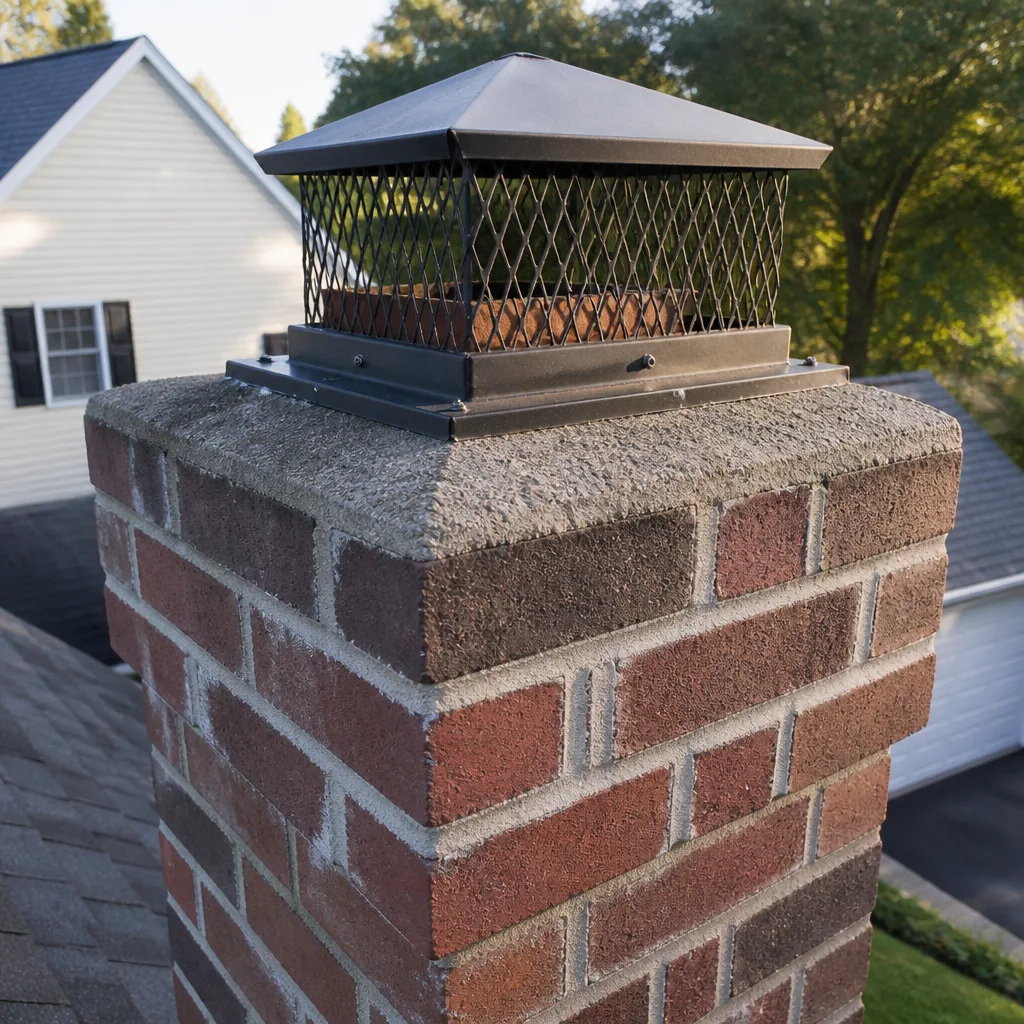 Sweep & inspection
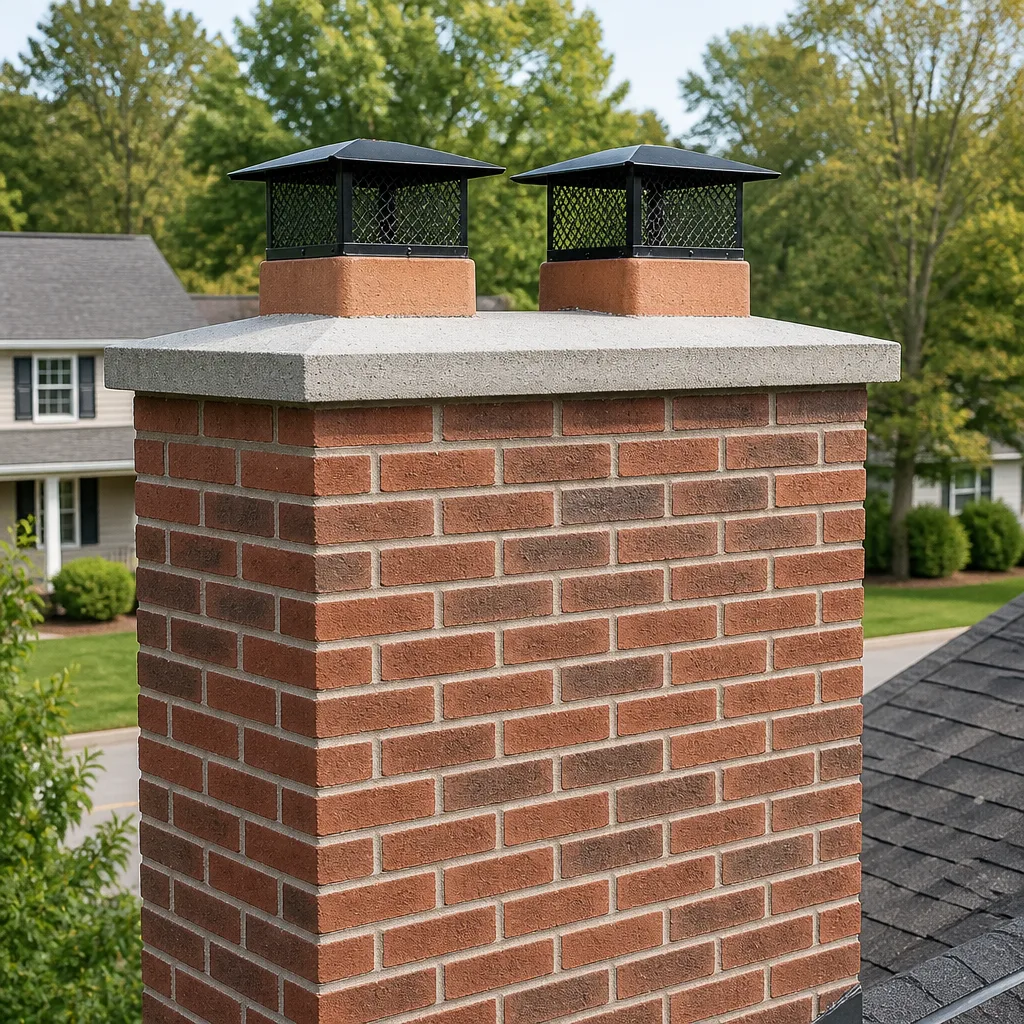 Caps & crowns
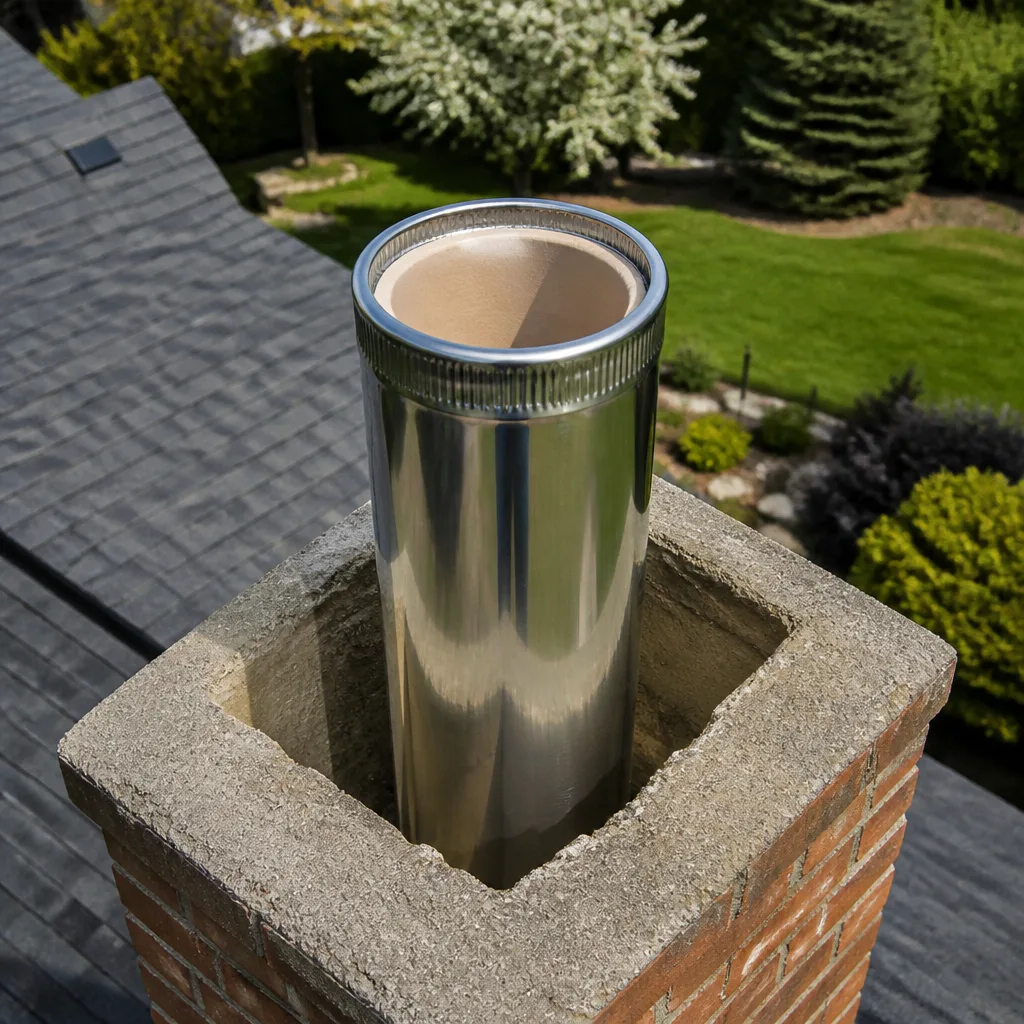 Flue relining
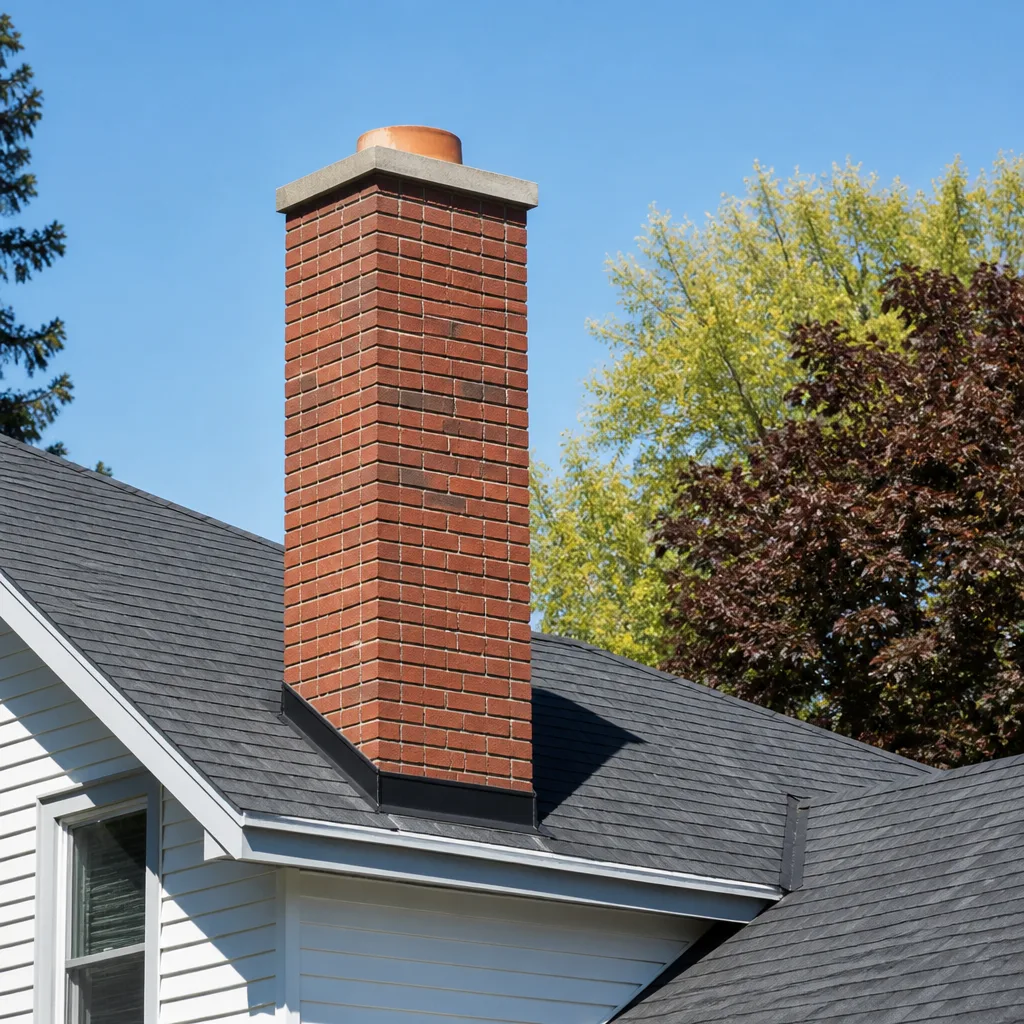 Masonry repair
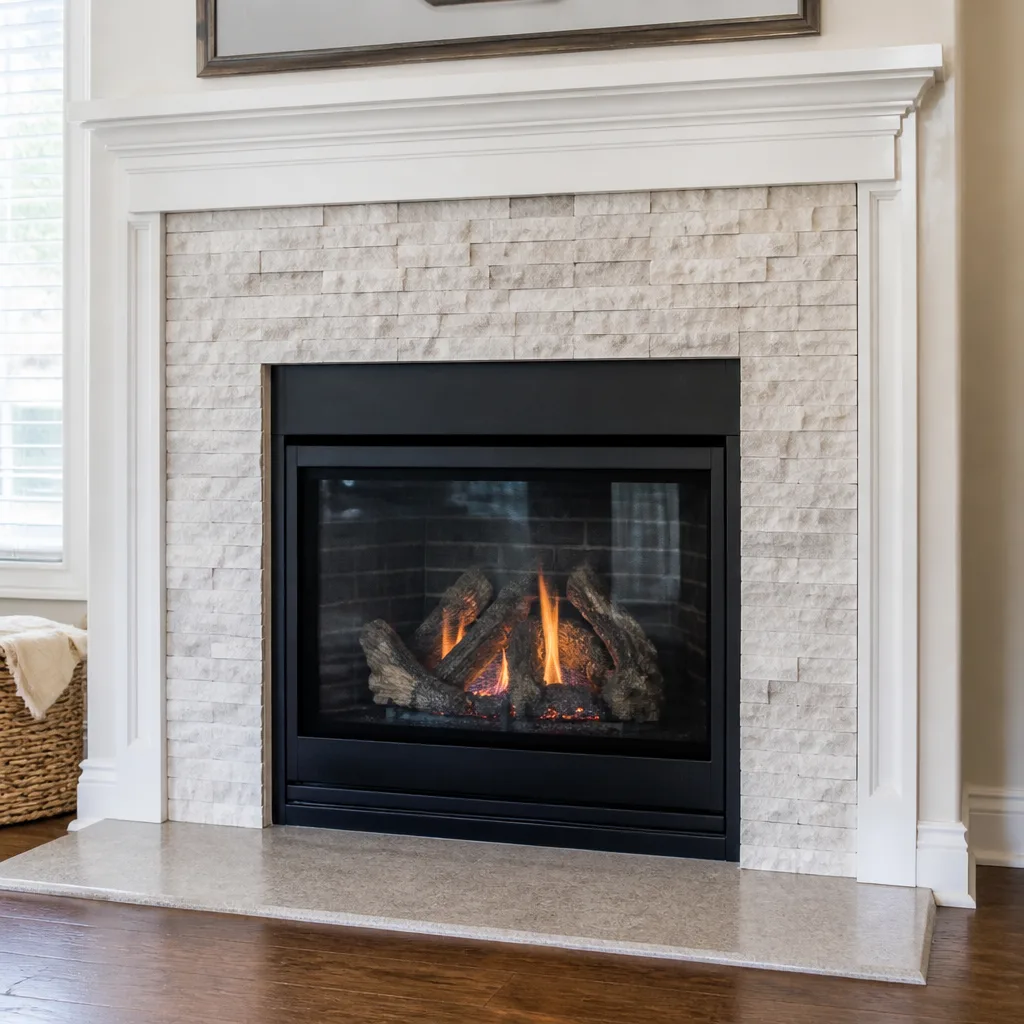 Gas fireplace service
Level 1 sweep and inspection to the NFPA 211 annual standard - flue, crown, cap, and flashing checked and photographed
Chimney sweep logs do not sweep chimneys. They loosen some creosote - which then falls where a brush and vacuum still have to collect it.
Seasonal Chimney Cleaning Care for Syracuse: Year-Round Homeowner’s Guide
Most Syracuse homeowners book a chimney sweep in October. It feels sensible: the air turns cold, the leaves come down, and the fireplace is about to see its first fire. But October is the least useful month to have someone look inside your flue. By then, whatever moisture worked its way into the masonry during three months of summer thunderstorms has been sitting there long enough to do its damage, and you’re days away from lighting a fire in a chimney nobody has inspected. Timing is the variable most chimney advice ignores. This guide maps chimney care to the actual Syracuse climate calendar, season by season, so the work you do in one season protects the chimney through the next.
Quick Answer
In Syracuse, the best time to schedule a chimney inspection and cleaning is late summer, ideally August, because it comes after the summer storm season moisture peak and well before the first fire in fall. From there, care is seasonal: catch winter warning signs indoors, treat exposed mortar in spring before the following freeze-thaw cycle, and let how much wood you burn (not the calendar) decide when you’re due for another sweep.
Styles & brands we work with
- Sweep & inspection
- Caps & crowns
- Flue relining
- Masonry repair
- Gas fireplace service
Table of Contents
- Why August is the right month for a Syracuse chimney inspection
- What Utah’s summer storms do to an uncapped or poorly capped flue
- Winter mid-season signals you can spot from inside the house
- Spring post-season tasks: treating mortar before the next freeze-thaw cycle
- How burning frequency, not calendar months, sets your cleaning schedule
- Creosote in a wood burner and corrosion in a gas flue: two different problems
- A year-round chimney checklist for Syracuse homeowners
Why August is the right month for a Syracuse chimney inspection
Syracuse sits at the edge of the Great Salt Lake’s weather influence and along the Wasatch Front, which gives it a distinct pattern: wet springs, a stretch of intense summer thunderstorms, and long, dry, cold winters. That pattern has everything to do with when your chimney should be looked at.
An August inspection lands in a useful window. The summer storm season is winding down, so any moisture that got into the flue over the summer has had its chance to reveal itself as staining, spalling brick, or a rusted damper. The fall has not fully arrived, which means there’s still time to repair an issue before the first fire. And the flue is dry, because the last sustained soaking is behind you rather than still sitting in the masonry.
By contrast, an October sweep happens during a busy season and leaves almost no cushion. If an inspection in October turns up a damaged liner or a failing crown, you’re deciding whether to fix it immediately or risk one more burning season. That is a worse position to make a decision from.
Here’s how the seasonal logic stacks up:
- Late summer (August): Best inspection window. Masonry is dry post-storm season, repairs can be planned, and you have weeks of cushion before burning season starts. This is also when a chimney sweep is easiest to book without a rushed timeline.
- Fall (September – October): The traditional rush. Repairs found now compete with a lot of other jobs, and you’ll be ready to burn within a week of the inspection.
- Winter (November – March): The season you’re protecting the chimney for, not the season to schedule new work if you can avoid it.
- Spring: For post-season repair and mortar care before the next winter’s freezing and thawing begins.
If you’re reading this mid-winter with a cold fireplace, that doesn’t mean the calendar has beaten you. Late winter can still be a useful time to have someone look, so long as there’s no active damage. But if you can choose your moment, choose the month the Syracuse climate gives you the most working room: August.
What Utah’s summer storms do to an uncapped or poorly capped flue
Utah’s summer thunderstorm season is real and worth planning around. These storms don’t just mean rain on the roof; they mean water finding every way it can into a chimney if it has one. A cap that’s missing, cracked, or improperly seated is the most common entry point. Once water is in, it doesn’t simply dry out. It pools in the flue, wicks into porous masonry, and sits against the liner.
In our experience, three things tend to follow:
- Water damage to the damper and smoke shelf. A rusted, seized damper is often the first sign of a cap problem. It also means a damper that won’t open properly come fall.
- Mortar joint deterioration. Repeated wetting and drying breaks down the mortar between bricks. That’s a structural issue, not a cosmetic one.
- Liner stress. A steel liner doesn’t corrode the way mild steel does, but a stainless flexible liner can still be damaged by water intrusion if it’s poorly installed or if water is pooling against the wrong side of the flue wall.
This is why the chimney cap and crown deserve attention before summer storms roll through, not after. Syracuse homes with older masonry chimneys are the ones most exposed here, since a crown that’s cracked or spalled lets water in from the top even when the cap is doing its job. The cap and crown are separate parts: the cap keeps rain out of the flue opening, and the crown protects the top of the masonry from water running down from above. Both need to be intact to keep summer moisture out of Syracuse flues.
When our technicians look at a chimney with a suspected moisture problem, we’ll check the cap seating, the crown, the damper, and the visible portion of the liner. We install chimney caps and crowns as part of a full chimney repair scope, and where a liner has taken on water damage, we may look at whether a resurfacing system such as HeatShield can restore it rather than replace it. Restore before you replace is a genuinely useful principle when the liner is deteriorated but still structurally sound.
One safety caveat: inspecting a chimney top involves working at height, and repairing or replacing a crown means climbing and working on a roof. This is not work to undertake yourself. A fall from a roofline is a serious injury hazard, and a crown that’s installed incorrectly does more damage than one that was left alone. Leave the top of the chimney to a trained technician.
Should I get my chimney cleaned before or after summer storm season ends?
Before is better. A pre-storm-season check catches a failing cap or crown in the spring, so the summer’s rain never gets inside in the first place. If you didn’t catch it in the spring, get it checked as soon as the storms ease in late summer, because that’s when you still have time to repair before fall.
There’s a practical ordering here worth remembering: check the top of the chimney before the rain, and check the inside of the flue before the fire. The first inspection in late spring or early summer protects the chimney through the wet months. The second inspection, in August, confirms it’s ready for the fire. The two checks are looking for different things, but they’re part of the same protective logic.
Winter mid-season signals you can spot from inside the house
Once burning season starts, you don’t need to climb anything to notice that something is wrong. In our experience, the most useful winter signals are the ones you can pick up while standing in the room. Watching for these lets you act early rather than waiting until spring.
- Draft changes. If a fire that used to draw well now smokes or backdrafts at startup, that’s often a sign of a clogged flue or a partially blocked smoke chamber. A flue that was adequate in October hasn’t changed size; something has accumulated in it.
- Smell shifts. A sharp, acrid creosote smell that lingers in the house when you’re not burning is worth noting. So is a sooty smell that seems to get worse over the winter.
- Smoke spilling into the room. Visible smoke coming into the room is a warning sign, not a nuisance to tolerate. Stop burning and have it looked at.
- Damper problems. A damper that sticks, seizes, or won’t hold open is sometimes a rust issue from summer water intrusion, as noted above.
- Soot at the firebox or glass. A sudden increase in soot at the firebox or on stove glass over the winter can point to a change in the flue’s condition.
None of these are alarms in themselves; each is a reason to look further. What they share is that they’re observable from the room, which means you can act in winter without dismantling anything or climbing the roof. If you notice one, have the flue checked before you light your next fire, not at the end of the season.
The single most important winter safety reality is carbon monoxide. A blocked or damaged flue can let combustion gases into the home instead of sending them up and out. If you ever suspect a carbon monoxide problem, get out of the house and call for help immediately. That’s a different emergency from a chimney issue, but it’s the reason chimney care matters. A chimney that draws well and vents cleanly is doing a safety job every time you use it.
Spring post-season tasks: treating mortar before the next freeze-thaw cycle
Spring in Syracuse brings the freeze-thaw cycle to its end, and it’s the season when damage shows itself most clearly. Water that got into the masonry over the winter expands when it freezes and then recedes when it thaws. After a few winters, that cycle opens up mortar joints and can crack brick faces. Spring is when you can see the result and act on it.
The task here is to repair exposed mortar joints before the next winter does more of the same. A mortar joint that’s crumbling, recessed, or missing offers less protection to the brick behind it, and it lets in more water next winter. Repointing, the process of removing and replacing deteriorated mortar, restores that protection. The tricky part is that mortar has to be matched to the existing brick and joint so the repair doesn’t cause more damage down the line. This is craft work, not a patch job with a tube of caulk.
A sensible spring sequence looks like this:
- Walk the exterior and look at the mortar. From ground level, note any joints that are crumbly, deeply recessed, or missing.
- Look at the crown and cap together. A crack in the crown lets water down the flue wall; check it at the same time you’re looking at the joints.
- Have a specialist inspect the full chimney, firebox to cap. Ground-level notes tell you where to look, but a full inspection confirms what’s actually happening to the liner, the smoke chamber, and the joints you can’t see from below.
- Get any needed repair done in spring or early summer. That leaves the chimney protected before the next freeze-thaw cycle begins.
We don’t give step-by-step DIY instructions for mortar work at height, and we’d discourage anyone from trying. Repointing a chimney means working on a roof or a ladder on a masonry structure, and the fall risk is the first concern. The second is that mortar mixed wrong or applied wrong makes the joints worse next season. A trained chimney specialist can assess and repair the joints as part of a broader repair scope, and this is one of the reasons we offer full chimney repair rather than just cleaning.
If spring inspection turns up a liner problem along with mortar deterioration, you may be looking at both repair and relining. A deteriorated flue can sometimes be restored with a resurfacing method, and where the flue configuration is difficult, a flexible liner such as DuraFlex can address offsets and non-standard flues that a rigid system can’t. HeatShield resurfacing and a DuraFlex flexible liner solve different problems: one restores a flue that’s sound but worn, the other rebuilds the path for a flue that can’t be restored. Knowing which is appropriate is a judgment call for a specialist who works with both.
How burning frequency, not calendar months, sets your cleaning schedule
The standard advice is “clean your chimney once a year.” That’s a useful default, but it’s a default, not a rule. What matters more is how much wood you actually burn. A homeowner who lights a fire a handful of times in a mild winter and a homeowner who burns steadily from November to March have very different chimney needs.
Rather than count months, we suggest thinking in terms of how much creosote your chimney has had a chance to accumulate. A useful way to frame it:
- Light use (occasional fires, small quantities of wood) may warrant inspection each year and cleaning only when the inspection shows buildup.
- Regular use (steady burning through the season) deserves a cleaning before the next season, plus any winter checks you can do from inside.
- Heavy use (burning a lot of wood across a long season) should plan on a thorough cleaning and inspection before the following season, and possibly mid-season attention if the winter signals above appear.
What we don’t recommend is counting cords to a precise number. Creosote buildup depends on the wood’s moisture content, how hot the fires burn, how the stove or fireplace is operated, and the flue’s condition, not just how many cords went in. The right trigger is a combination of annual inspection plus a cleaning whenever the inspection shows it’s needed, tightened if you’re burning heavily.
For homeowners who burn wood, one operating habit makes the biggest difference: burn dry, seasoned wood and keep the fire hot enough to burn clean. A fire that smolders produces more creosote than one that burns hot. This is not a substitute for an annual inspection; it’s a way to reduce the load between cleanings.
The seasonal rhythm and the burn-frequency rule work together. Spring inspection catches structural issues; late summer inspection catches anything mechanical that’s developed since; the burn-frequency trigger decides whether a cleaning is due on top of that. Our technicians have up to 10 years of experience reading these patterns, and a proper inspection includes a photo report so you can see the buildup for yourself rather than taking anyone’s word for it.
Creosote in a wood burner and corrosion in a gas flue: two different problems
Wood-burning and gas fireplaces don’t fail the same way, and a seasonal care plan should account for both. In a wood burner, the main concern is creosote, a byproduct of burning wood that can build up on the flue walls. Creosote comes in degrees of severity, and the more severe forms are the ones that carry a real fire risk. The safety point is straightforward: creosote is what chimney fires burn. That’s why the cleaning schedule matters, and why an inspection that shows heavy buildup should trigger a cleaning rather than a postponement.
A gas flue doesn’t produce creosote, but it has its own issues. Venting combustion gases properly is the priority; a blocked or incorrectly vented gas flue can allow carbon monoxide to build up in the home. Condensation and corrosion can damage a gas flue over time, and a flue with corrosion may not vent the way it was designed to. Gas fireplace maintenance isn’t a cleaning-only task; it should include a check of the venting, the damper position, and the condition of the flue itself.
In Syracuse, we see both types regularly: older homes with masonry chimneys and wood-burning fireplaces, and newer systems with gas fireplaces. If you have one of each, they need separate attention under the same seasonal plan. A homeowner who only schedules a cleaning for the wood stove may skip the gas fireplace entirely, and vice versa. Our guide for each service lays out the specifics: fireplace repair for the firebox side and chimney repair for the structure and liner side.
A year-round chimney checklist for Syracuse homeowners
Here’s the whole seasonal plan condensed into a checklist you can follow through the year. It’s organized by season, but the burn-frequency rule applies throughout.
Spring (after burning season)
- Walk the exterior and note deteriorated mortar joints, cracked brick faces, and spots on the crown.
- Schedule an inspection that covers the firebox, smoke chamber, liner, and chimney top.
- Have any needed mortar or crown repair completed before summer.
- If the inspection turns up liner deterioration, get an assessment of whether resurfacing or relining is the right fix.
Summer (before storm season)
- Confirm the cap is present, intact, and properly seated.
- Check that rain isn’t reaching the damper or smoke shelf.
- Get any cap or crown work done before the storms arrive.
Late Summer (the strategic window)
- Book the inspection and cleaning in August, ahead of the busy fall season.
- Review the inspection’s photo report with the technician.
- Complete any repairs while there’s still room before the first fire.
Fall (before first fire)
- Test the damper and confirm it opens fully.
- Make sure the cap is still in place and the crown is intact.
- Have the flue swept if the last inspection showed buildup.
Winter (during burning season)
- Watch for draft changes, smoke spillage, or new odors on startup.
- Check the damper periodically and note any sticking.
- Follow the burn-frequency rule: heavy burning means an earlier cleaning.
- Keep carbon monoxide risk in mind for gas appliances; have the venting checked if anything seems off.
If you’re putting together a plan for the first time, start with which services your chimney actually needs. We offer a fireplace repair scope side by side with cleaning and structural work, which lets a single visit cover the full chimney rather than ending with a referral to another contractor. Our team works with the recognized relining and resurfacing systems, including DuraFlex, HeatShield, Gelco, Olympia Chimney, Famco, and Copperfield, so a repair plan doesn’t have to leave out the parts that need those materials. You can read more about the full set of services at Syracuse Chimney Sweep.
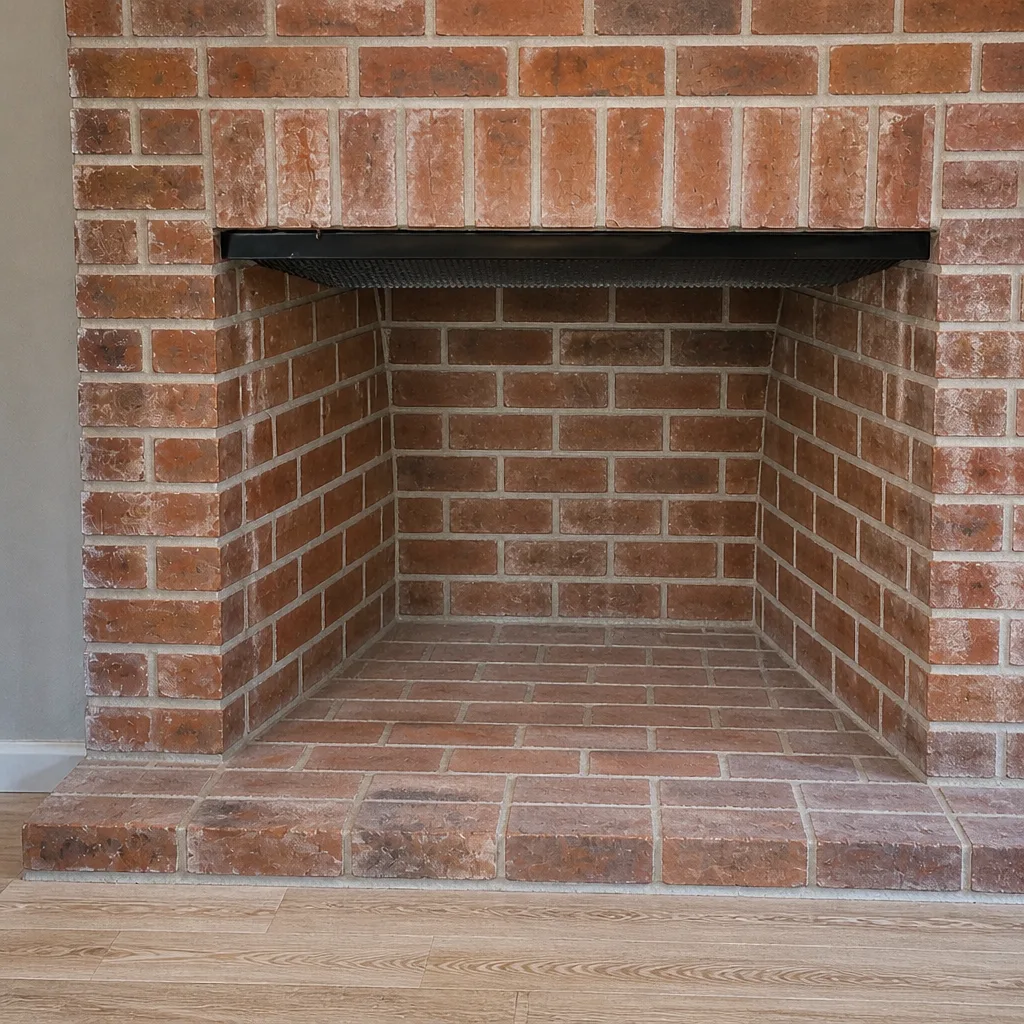
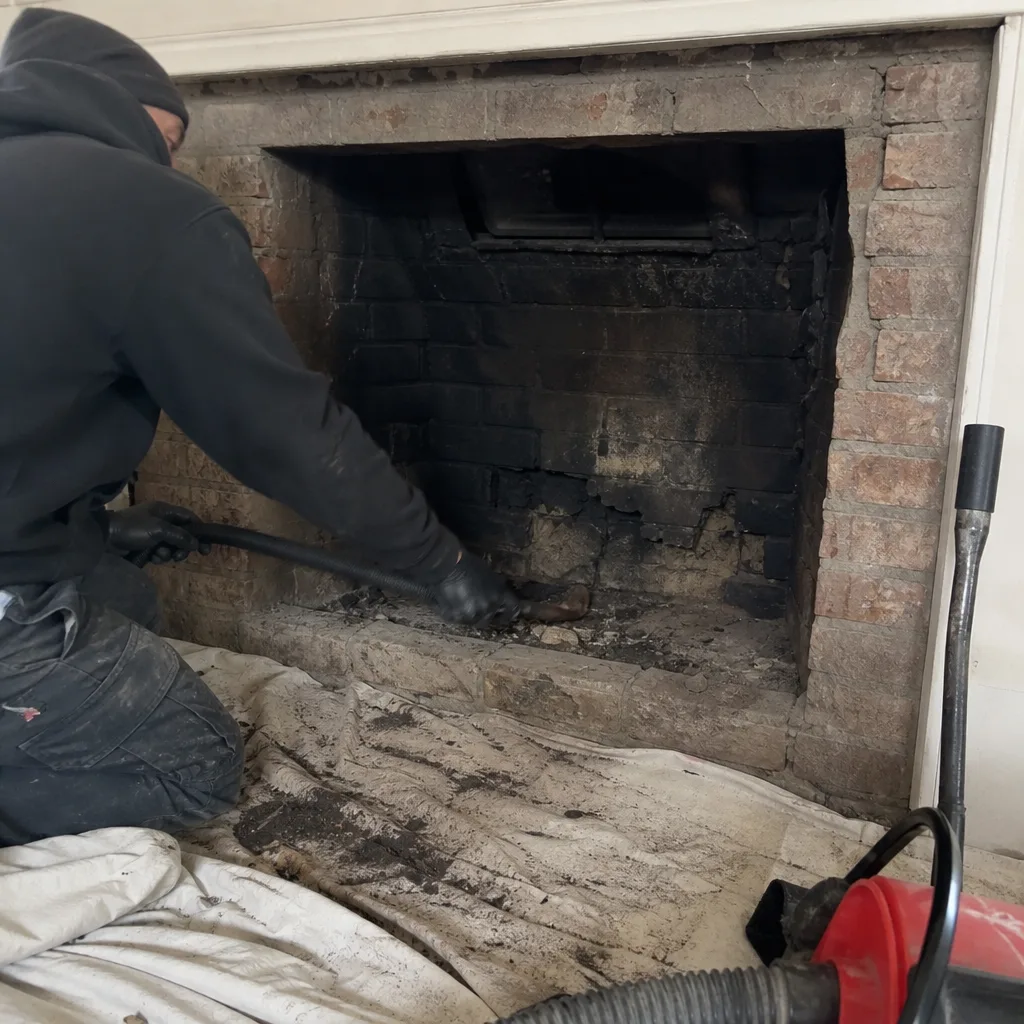
See the difference
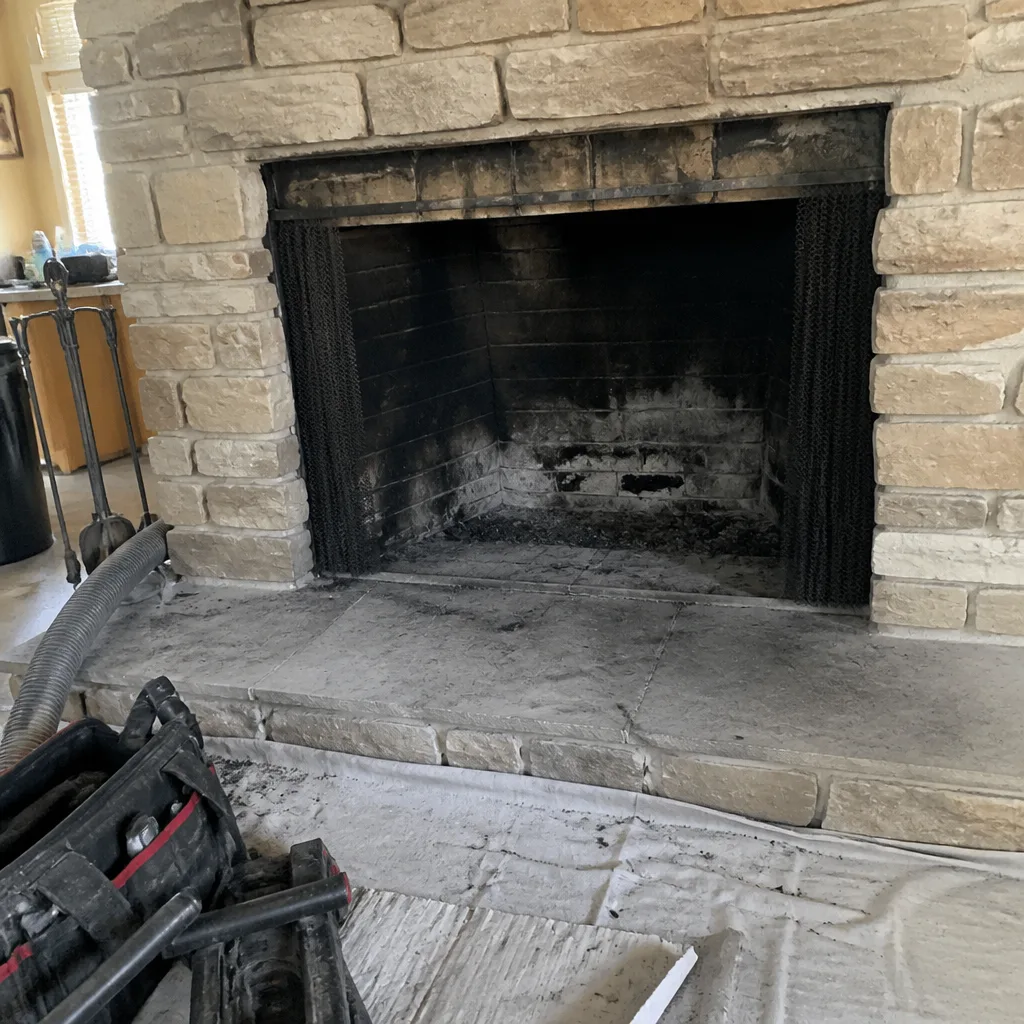 Before
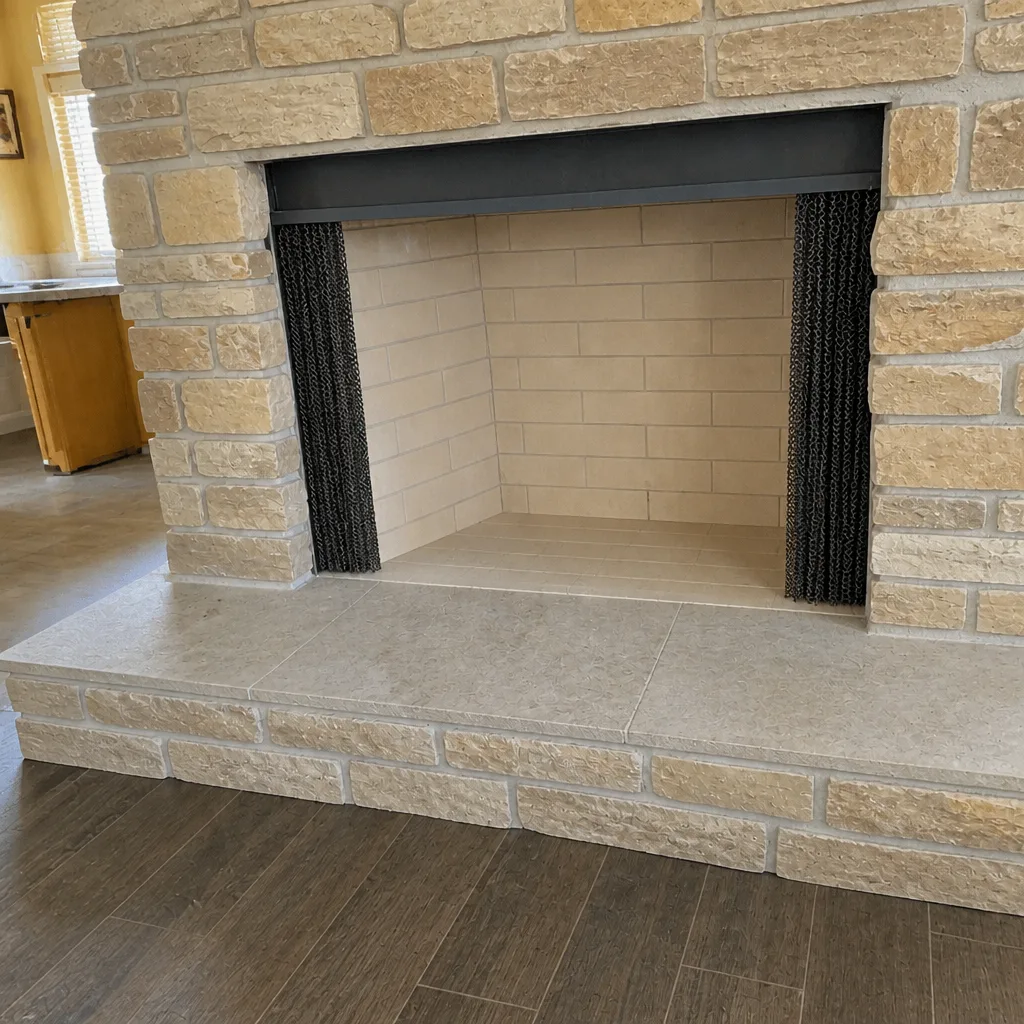 After
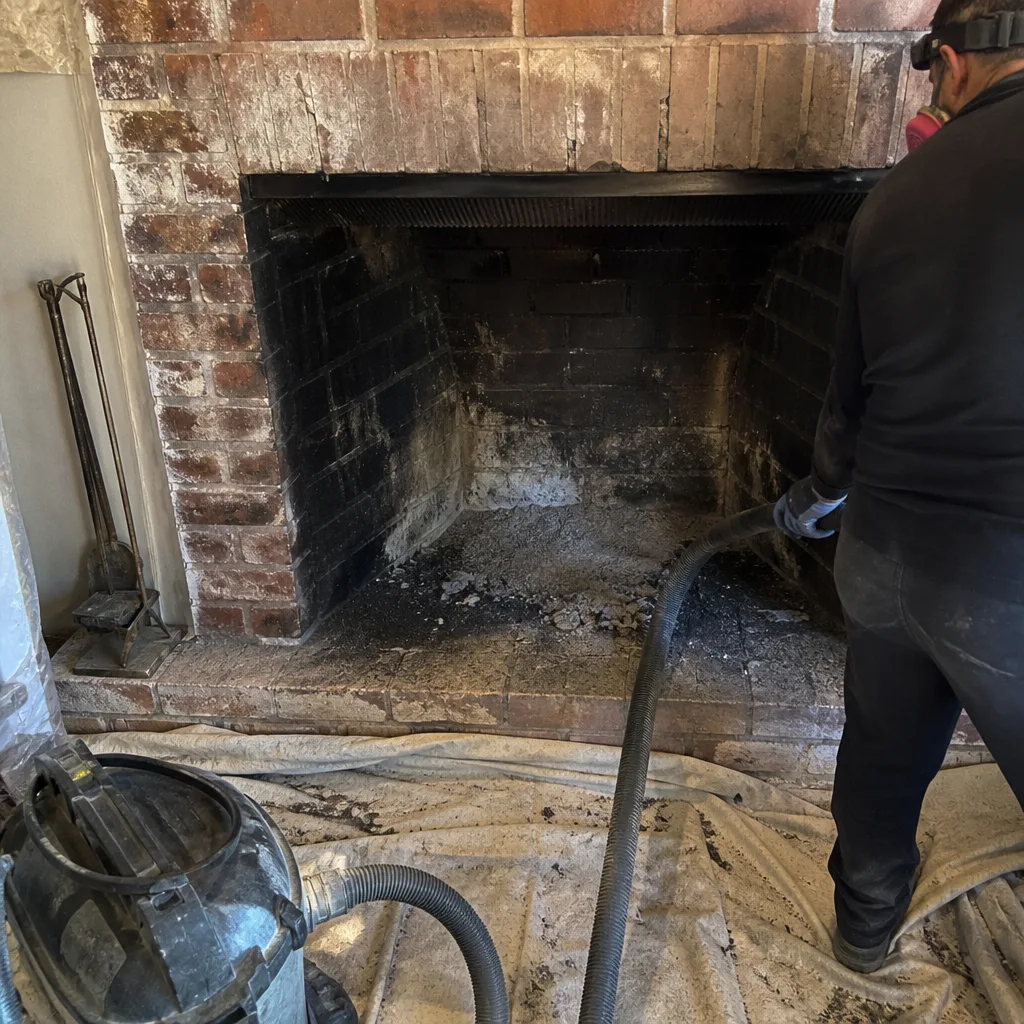 Before
 After
 Before
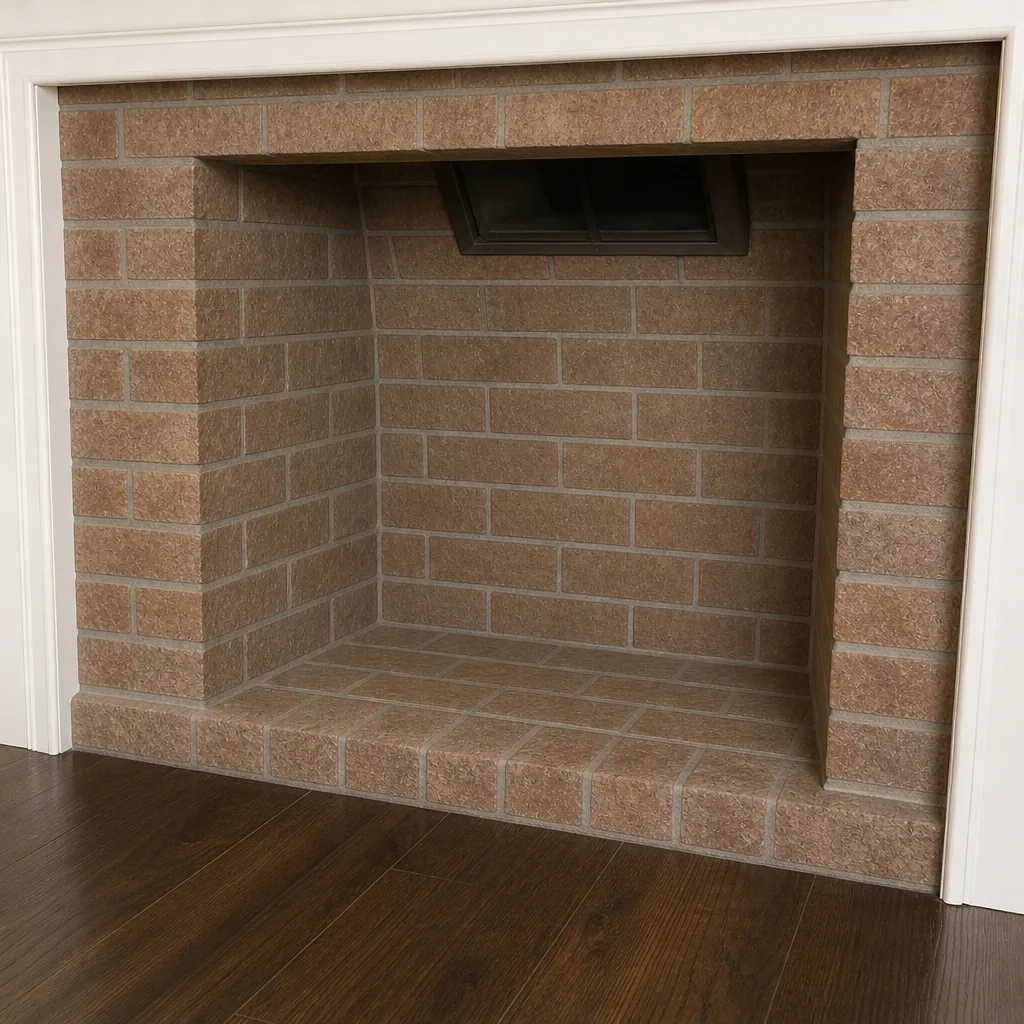 After
Common Mistakes to Avoid
- Waiting for October to schedule the inspection. October is the busiest month and leaves no cushion if the inspection finds damage. Aim for August instead.
- Assuming the cap is doing its job without looking. A missing or cracked cap is a direct route for summer rain into the flue. Check it before storm season, not after a problem appears.
- Treating “clean once a year” as a fixed rule. The cleaning schedule should follow how much you burn, not the calendar. A heavy burner may need more, and a light burner may not.
- Addressing mortar only in fall. Crumbling joints spotted in fall won’t be fixed by spring; the freeze-thaw cycle of winter will make them worse. Spring repair gives the longest lead time.
- Ignoring draft changes in winter. A fire that suddenly smokes or backdrafts is telling you the flue has changed. Treat it as a signal to inspect, not a nuisance.
- Replacing a liner by default. A deteriorated liner can sometimes be restored with HeatShield resurfacing, which is a real alternative to replacement when the liner is structurally sound.
- Assuming a gas fireplace needs no seasonal care. A gas flue can corrode and vent poorly. It has different problems from a wood flue and still needs an inspection.
When to Call a Professional
Some chimney issues announce themselves and some don’t, and the second kind is why professional inspection exists. Call a chimney specialist when the summer moisture check turns up a damaged cap or crown, when the spring walk shows failing mortar, or when the winter signals appear: a draft that’s changed, smoke spilling into the room, or a smell that won’t go away. Call before you burn for the first time in the fall if it’s been more than a season since the last inspection. And call immediately if you suspect a carbon monoxide problem; that’s an emergency, not a maintenance question.
The value of an inspection is that it shows you what’s actually wrong, backed by evidence you can see, before anyone recommends work. In Syracuse, our estimates are free, and a proper inspection includes a photo report so you can see the condition of your flue for yourself. If you’ve been told you need extensive repairs, ask to see the photos. If the condition doesn’t justify the work, you’ll know.
Call Syracuse Chimney Sweep at (877) 820-8528 for a free estimate. We answer 24/7. Fast dispatch from 7am to 7pm, Sunday through Friday.
Frequently Asked Questions
Late summer, ideally August, is the best time to get a chimney cleaned in Syracuse. It comes after the peak of the summer storm season, so any moisture problems have had time to show up, and it leaves weeks before the first fall fire. By comparison, an October cleaning happens in the seasonal rush and leaves little room for repairs. Call (877) 820-8528 to get on the schedule early.
Not necessarily. The cleaner rule is to have the chimney inspected each year and cleaned when the inspection shows buildup. A homeowner who burns occasionally may not need a cleaning every year, but an annual inspection is still worth doing. If you burn heavily, plan on a thorough cleaning before the next season. Call (877) 820-8528 to set up an inspection.
The most reliable winter warning signs are a change in draft, smoke spilling into the room, a lingering creosote or sooty smell when you’re not burning, and a damper that suddenly sticks. These signal that something in the flue has changed, and you should have it checked before your next fire. They’re observable from the room, so you can catch them without climbing anything. Call (877) 820-8528 for a same-day inspection where the schedule allows.
Look at the cap, the crown, and the damper: a rusty, seized damper and visible cracking at the crown are the clearest signs that water has been getting in. Water stains or crumbly mortar in the smoke chamber area are also worth noting. Have the flue inspected if you see any of these before fall. Call (877) 820-8528 for a free estimate on any needed cap or crown repair.
Sometimes it can. HeatShield flue liner resurfacing can restore a deteriorated liner without full replacement when the liner is otherwise structurally sound, which is often the more sensible option. A liner that is failing badly may still need replacement, and a specialist can show you which applies. Our inspections include a photo report so you can see the condition for yourself. Call (877) 820-8528 to schedule an inspection.
The more you burn, the more often your chimney needs a cleaning. Rather than counting months, use your annual inspection as the trigger and let your burn frequency decide how tight that schedule should be. A heavy burner may need a cleaning before each season, while a light burner may only need it when the inspection shows buildup. Call (877) 820-8528 to talk through your setup for a free estimate.
The Bottom Line
Chimney care in Syracuse is a seasonal job, not a single annual errand. The most useful month to have your chimney inspected is August, after the summer storms have done their work and before the fall rush and the first fire. Spring is for fixing what winter and the freeze-thaw cycle exposed, especially the mortar. Winter is for watching inside the house for changes in draft, smell, and smoke. And the cleaning schedule itself should follow how much wood you burn, not the calendar. A single specialist who can handle the full chimney, from the firebox to the cap, means repairs don’t get split between contractors and nothing falls through the gap between one season and the next.
Call Syracuse Chimney Sweep at (877) 820-8528 for a free estimate. We answer 24/7. Fast dispatch from 7am to 7pm, Sunday through Friday.
Written by the team at Syracuse Chimney Sweep.