
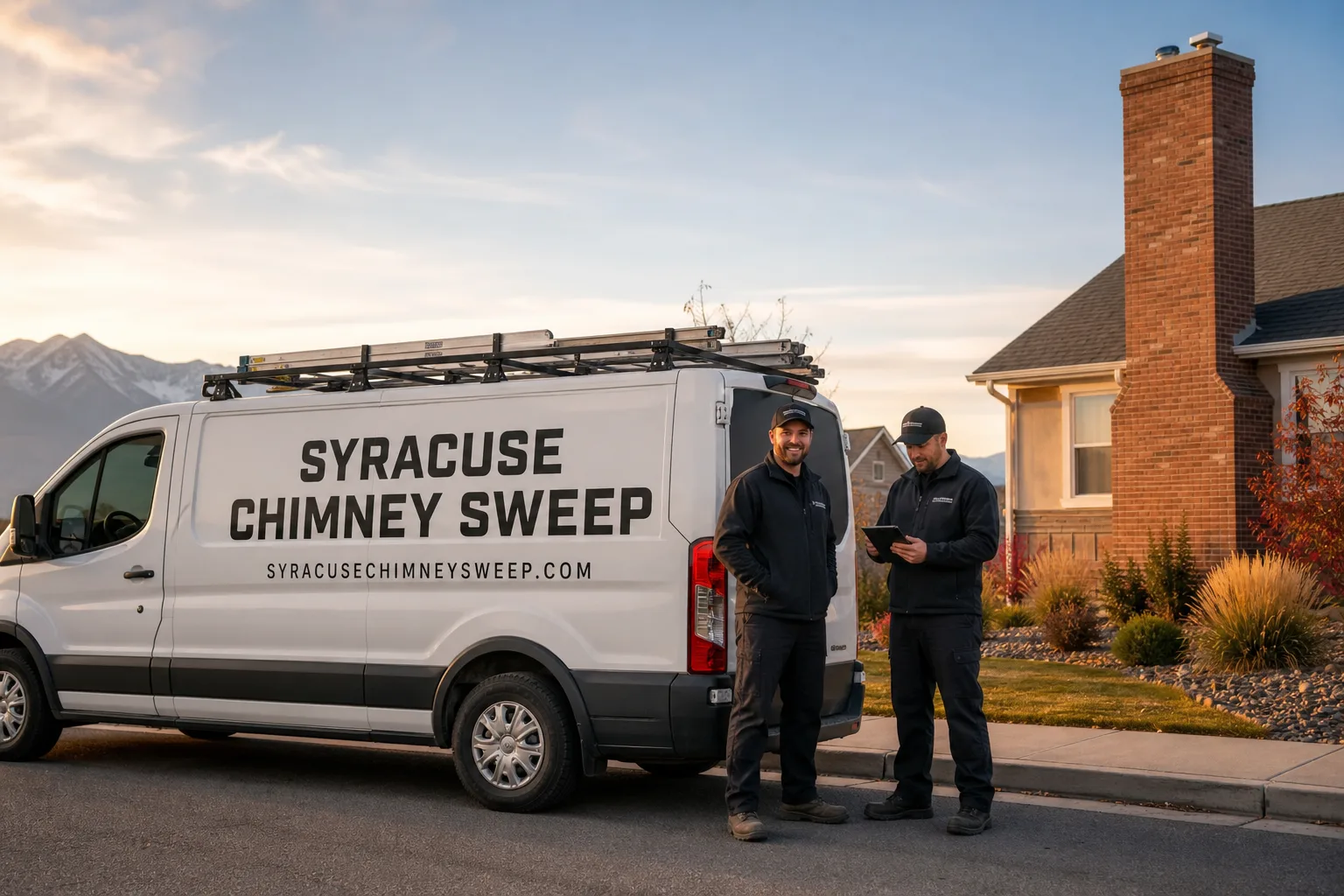
 Sweep & inspection
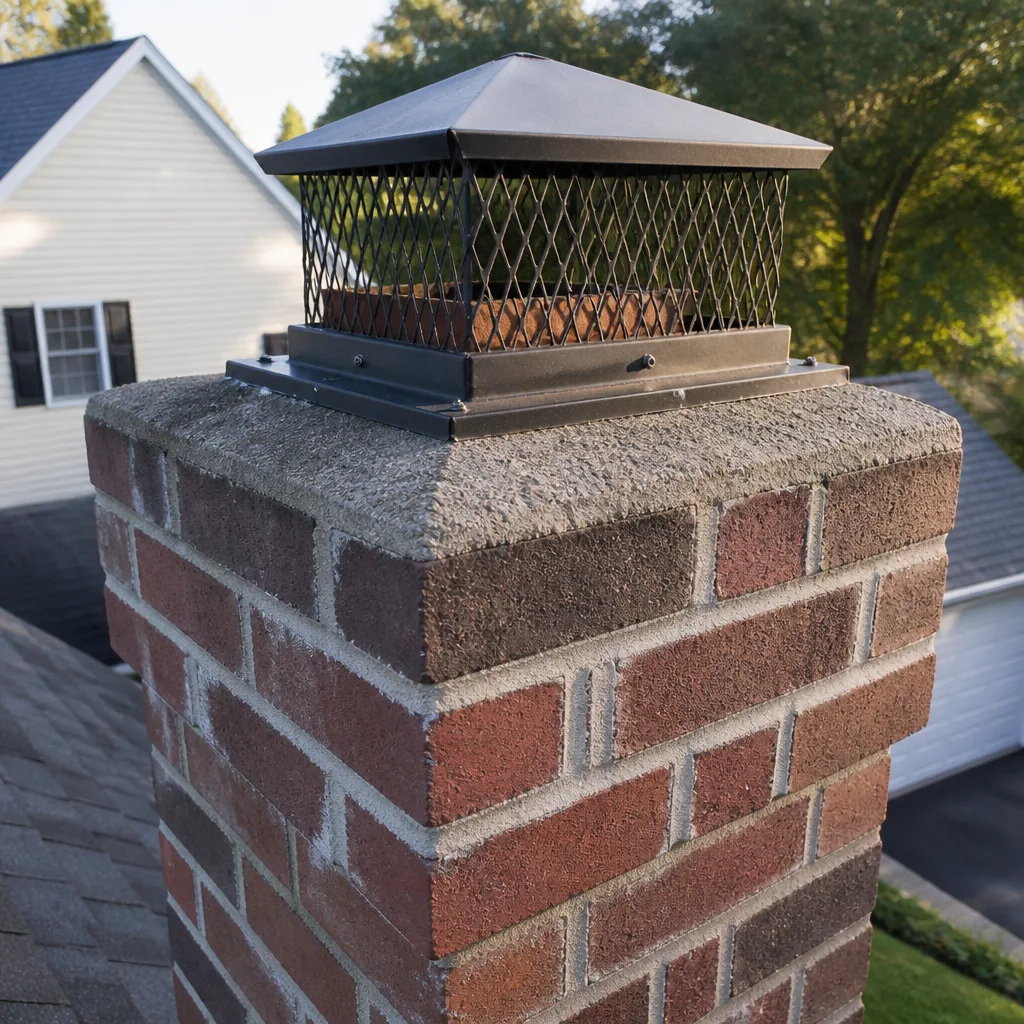
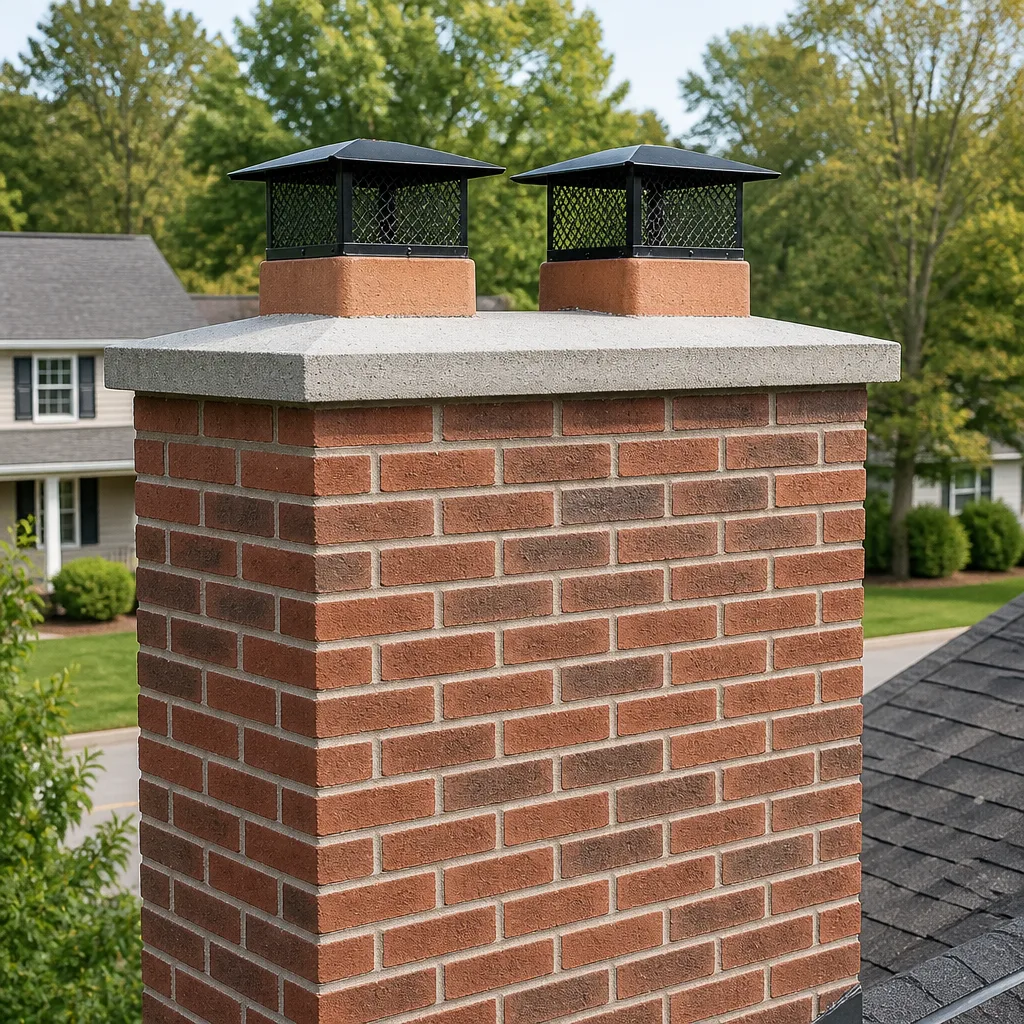 Caps & crowns
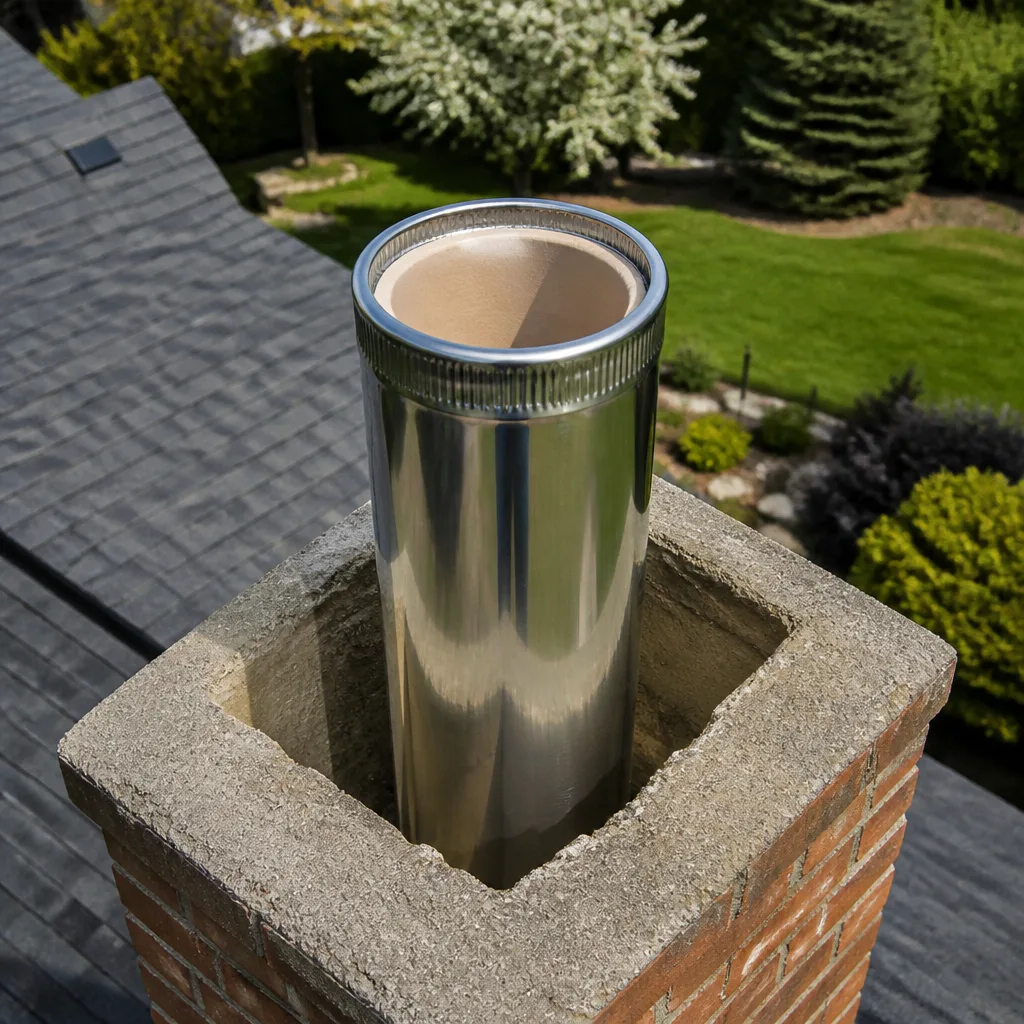 Flue relining
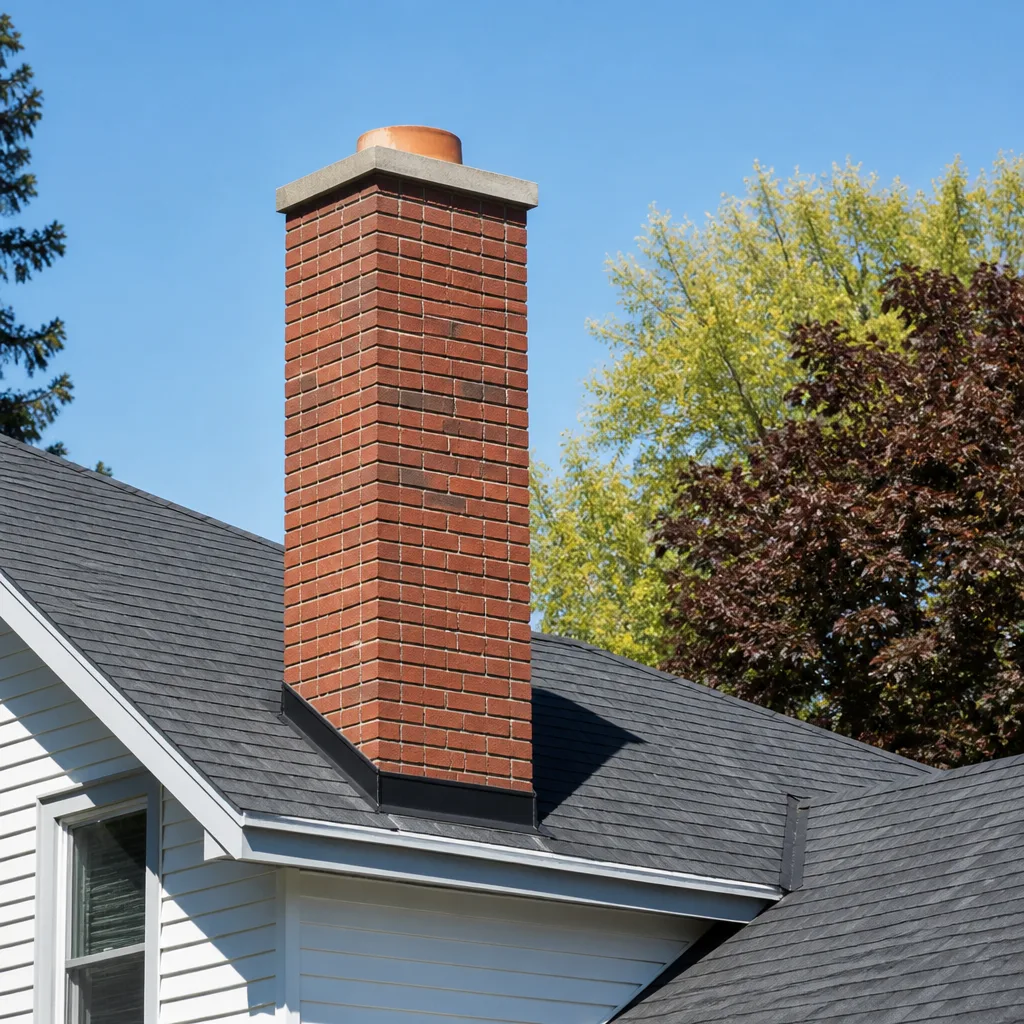 Masonry repair
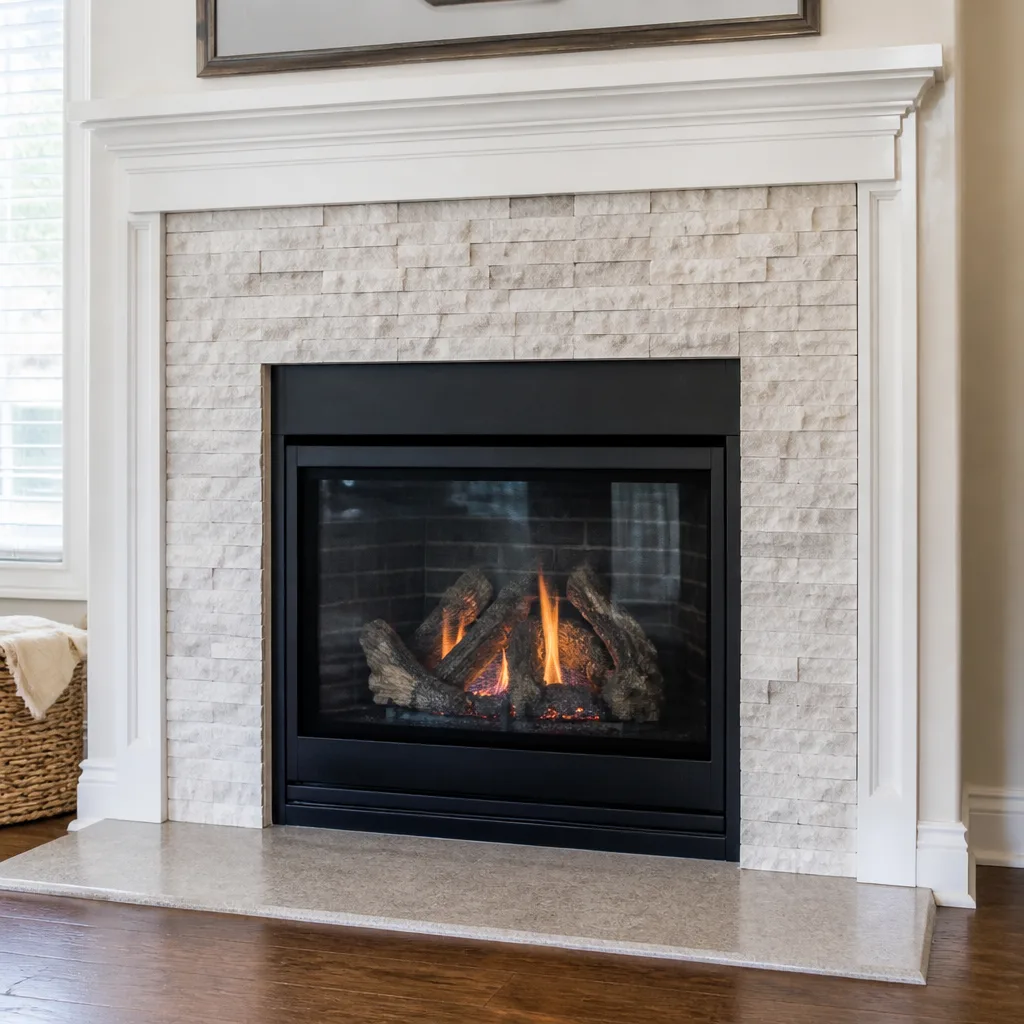 Gas fireplace service
Level 1 sweep and inspection to the NFPA 211 annual standard - flue, crown, cap, and flashing checked and photographed
Chimney sweep logs do not sweep chimneys. They loosen some creosote - which then falls where a brush and vacuum still have to collect it.
Fast, Reliable Chimney Liner & Rebuild Across South Weber
If you live in South Weber, you already know this town has two very different kinds of chimneys. There are the old coal-and-wood flues in the farmhouses near the old highway, and there are the factory-built systems in the bench subdivisions that went up in the 1990s and 2000s. Both fail in their own ways, and both need a liner or rebuild plan built around what’s actually inside the stack, not a guess from the driveway. We handle the whole job, from the camera inspection to the stainless liner to the crown and flashing, so you don’t have to source a second contractor halfway through.
To get a liner or rebuild moving in South Weber, call (877) 820-8528. We answer 24/7. Fast dispatch from 7am to 7pm, Sunday through Friday. Our technicians have up to 10 years of experience, and every job starts with a flat-price sweep and a camera inspection you can watch.
Why South Weber Homeowners Call Syracuse Chimney Sweep for Chimney Liner & Rebuild
South Weber sits directly downwind of Hill Air Force Base’s eastern boundary, and the base’s 84056 ZIP is the only one the city has. That single ZIP covers a mix of aging farmhouses and 1990s – 2000s bench subdivisions, which means a chimney professional working here reads two histories at once: the legacy of coal and wood heat in older homes, and modern gas inserts in homes that were never designed for one. We’re a chimney specialist, not a generalist with a brush, and that distinction matters most when the question is whether a flue can be relined or has to come apart.
If you’re searching for a liner and rebuild team in South Weber, you’re looking for someone who can tell you the honest difference between a resurfacing job and a full reline, and who’ll show you the camera evidence before recommending either. That’s the standard we hold to. Our Chimney Liner & Rebuild team handles the whole chimney life cycle, so a sweep, a liner, and a partial rebuild don’t turn into three separate appointments with three separate contractors.
Styles & brands we work with
- Sweep & inspection
- Caps & crowns
- Flue relining
- Masonry repair
- Gas fireplace service
Our Chimney Liner & Rebuild Services in South Weber
Stainless Steel Liner
A stainless steel liner gives a failing flue a new, sealed path from the firebox to the cap, and it’s the standard fix for spalling clay tile in older South Weber homes. We size the liner to the appliance, not the chimney, which is why a wood stove and a gas insert in the same house need different answers. For the offset and non-standard flue configurations common in bench subdivisions, a flexible DuraFlex liner often fits where a rigid system won’t.
Flexible Liner
Flexible liners are built for the chimneys that make rigid installations difficult: offsets, transitions, and the tight chases you find in attached homes where the stack is shared. Because many South Weber attached homes run one masonry stack with adjacent flues, the liner has to be routed cleanly so it doesn’t interfere with a neighbor’s appliance connection. We map the whole stack before we pull anything through it.
Liner Replacement
When the old liner has cracked, shifted, or pulled away from the flue walls, replacement is the reliable fix. Creosote collects behind a failed liner, and that tucked-away buildup is exactly what a sweep alone can’t remove. We pull the old liner, inspect the flue walls with a camera, and set the new one so the entire run is sealed and continuous.
Partial Rebuild
Not every failing chimney needs the whole stack taken down. A partial rebuild reworks the parts that are actually damaged: the crown, the flashing, the top courses of brick, and the mortar joints that let water in. In the dense bench subdivisions, we handle a lot of partial rebuilds driven by water intrusion rather than structural failure. You see the difference on camera, and you get a written estimate before any work is booked.
Trusted Brands We Service in South Weber
We work with a set of professional-grade liner and restoration systems: DuraFlex, HeatShield, Gelco, Olympia Chimney, Famco, and Copperfield. That range matters in South Weber because not every flue wants the same product. A HeatShield resurfacing job restores a deteriorated clay liner without defaulting to full replacement, and DuraFlex handles the awkward, offset flues that rigid systems simply can’t follow. You get the right system for your stack and a fast turnaround, with no parts held locally and nothing ordered until the inspection tells us what’s needed.
See the difference
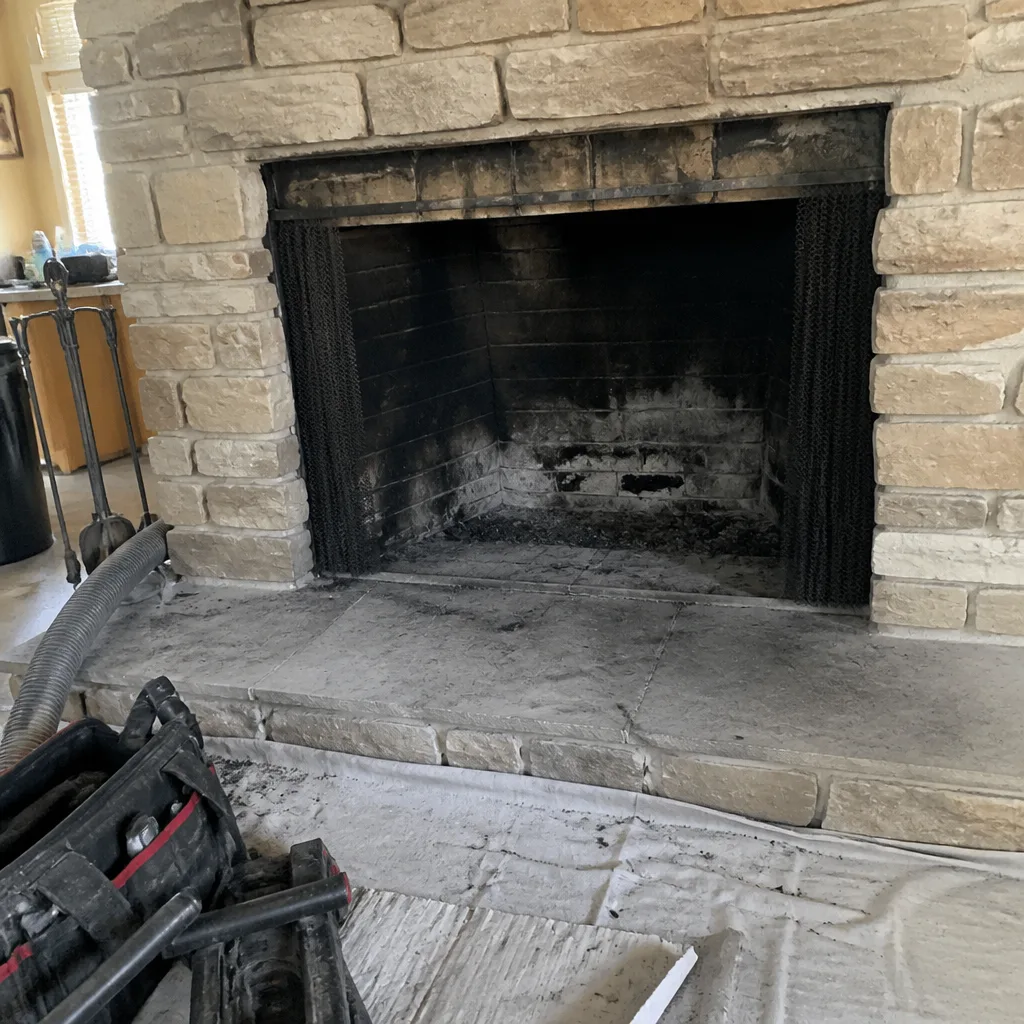 Before
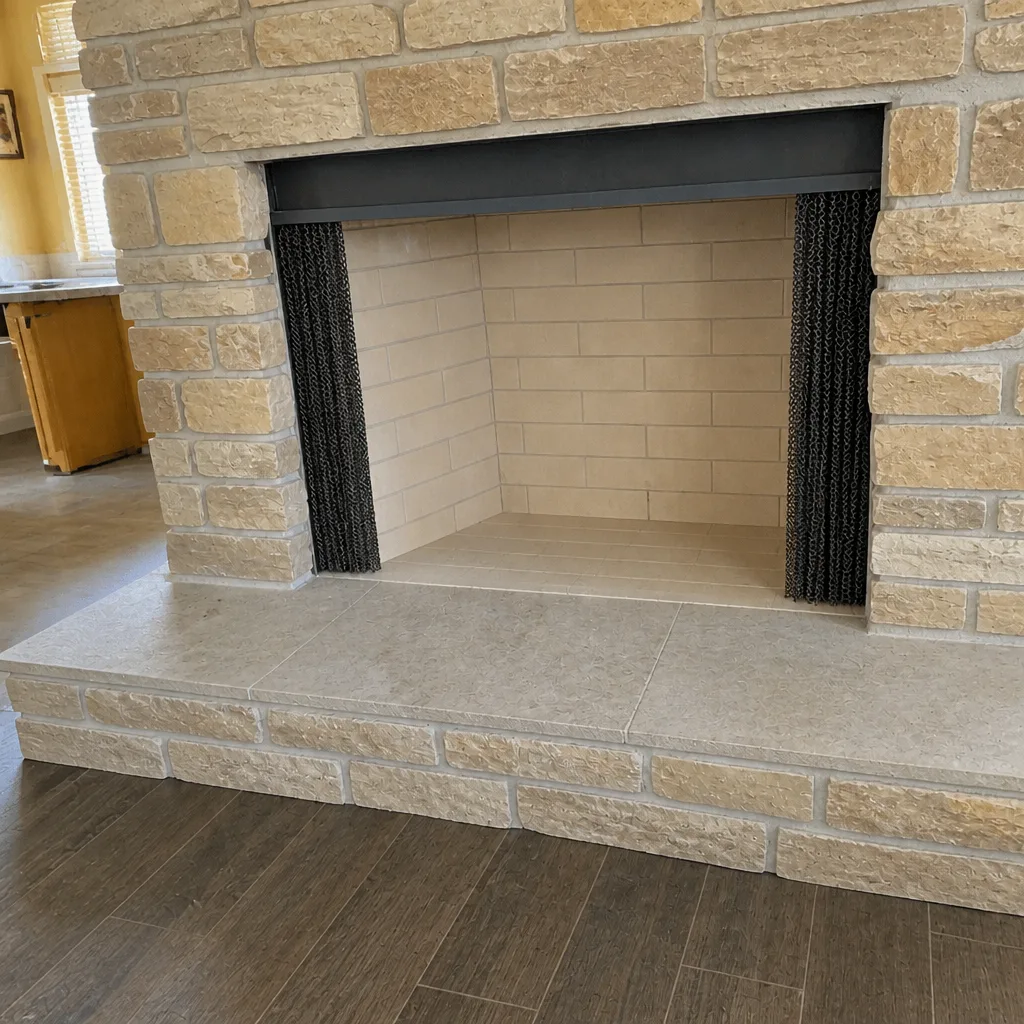 After
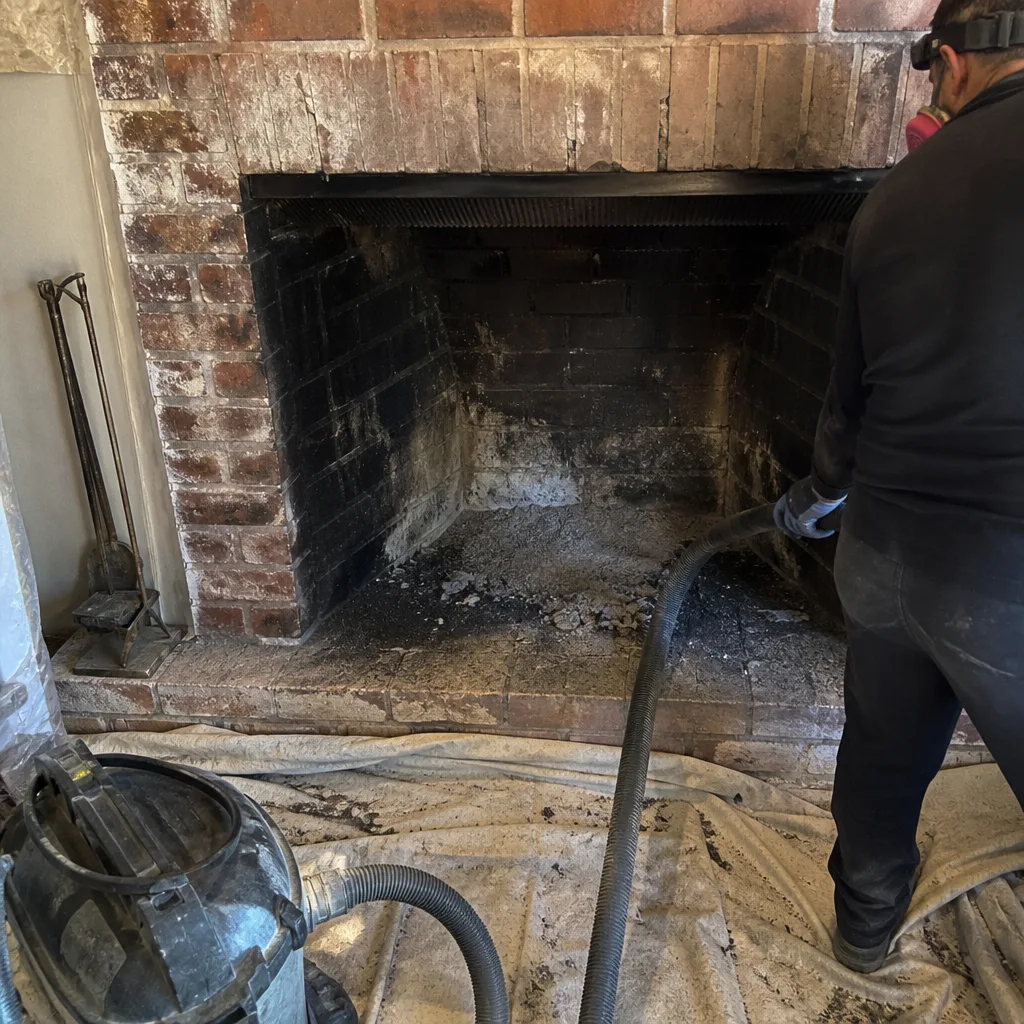 Before
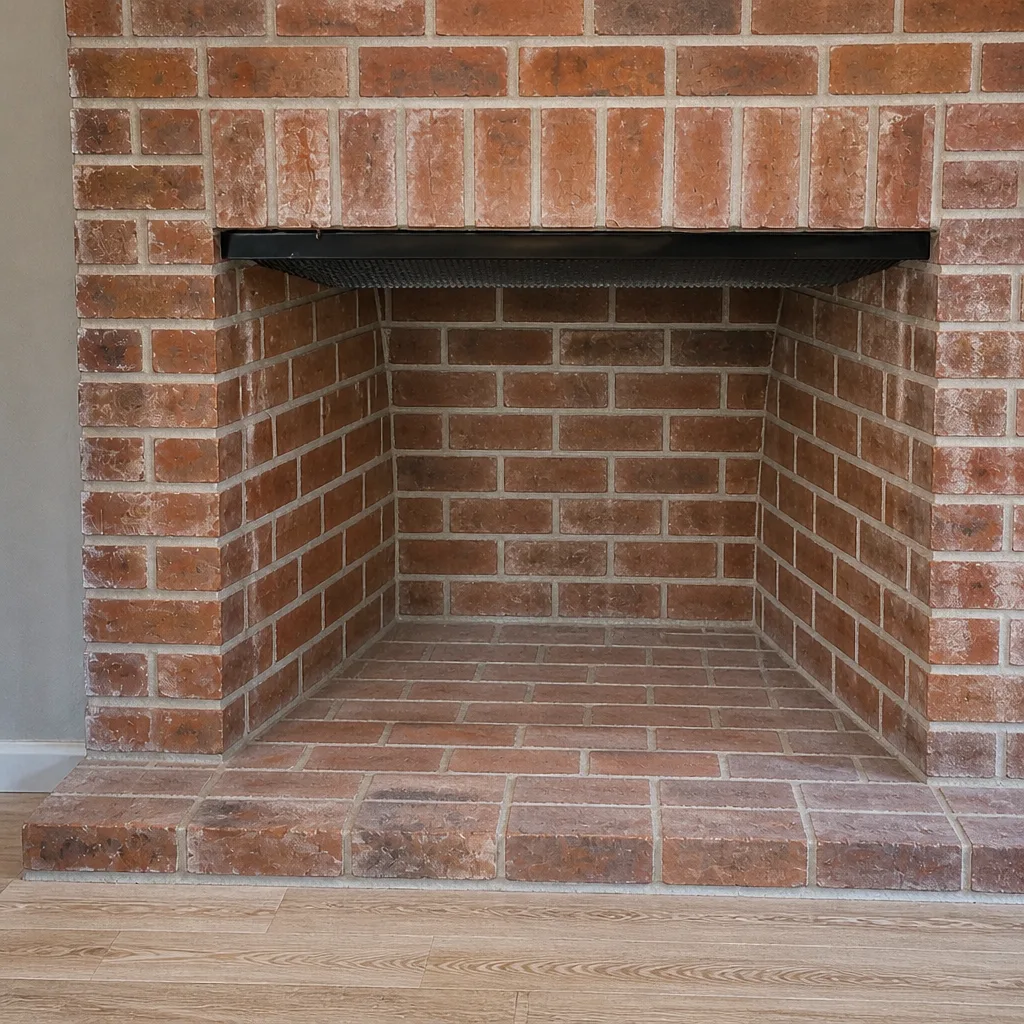 After
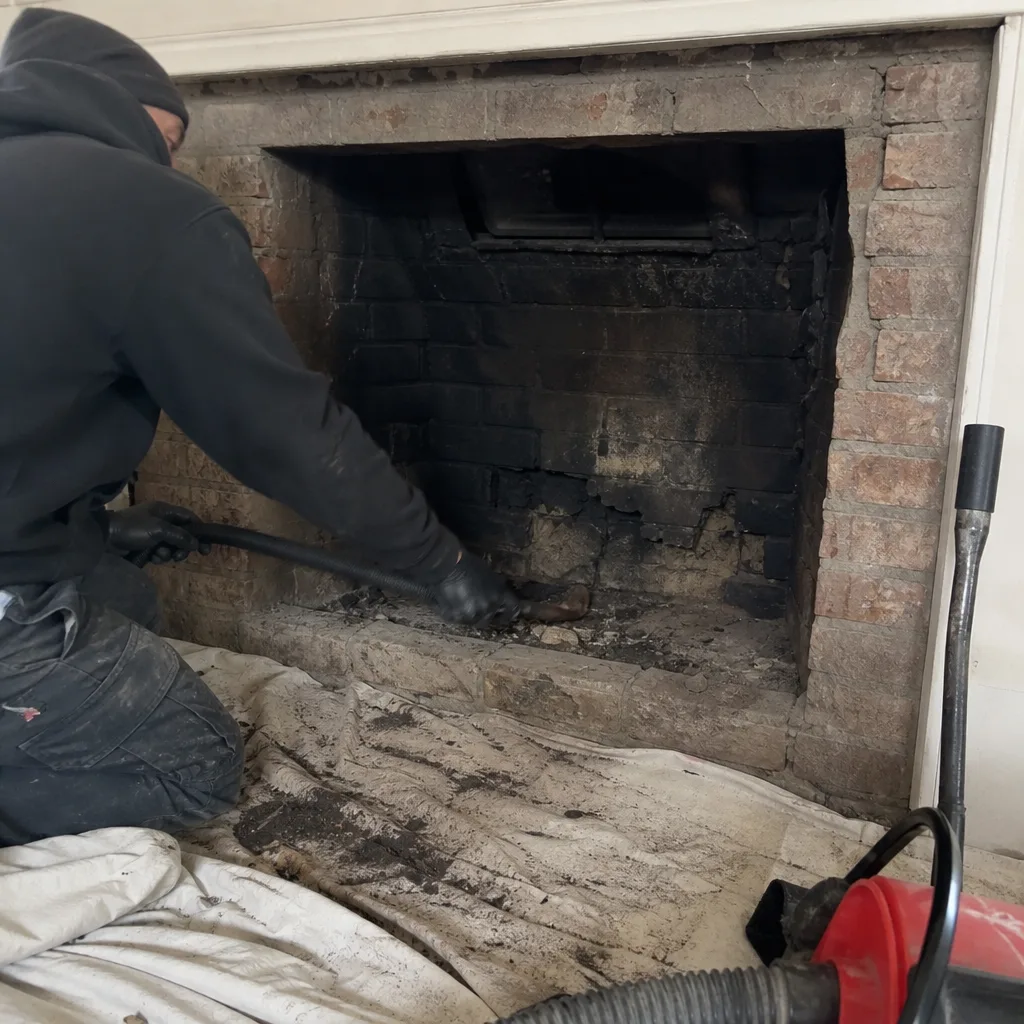 Before
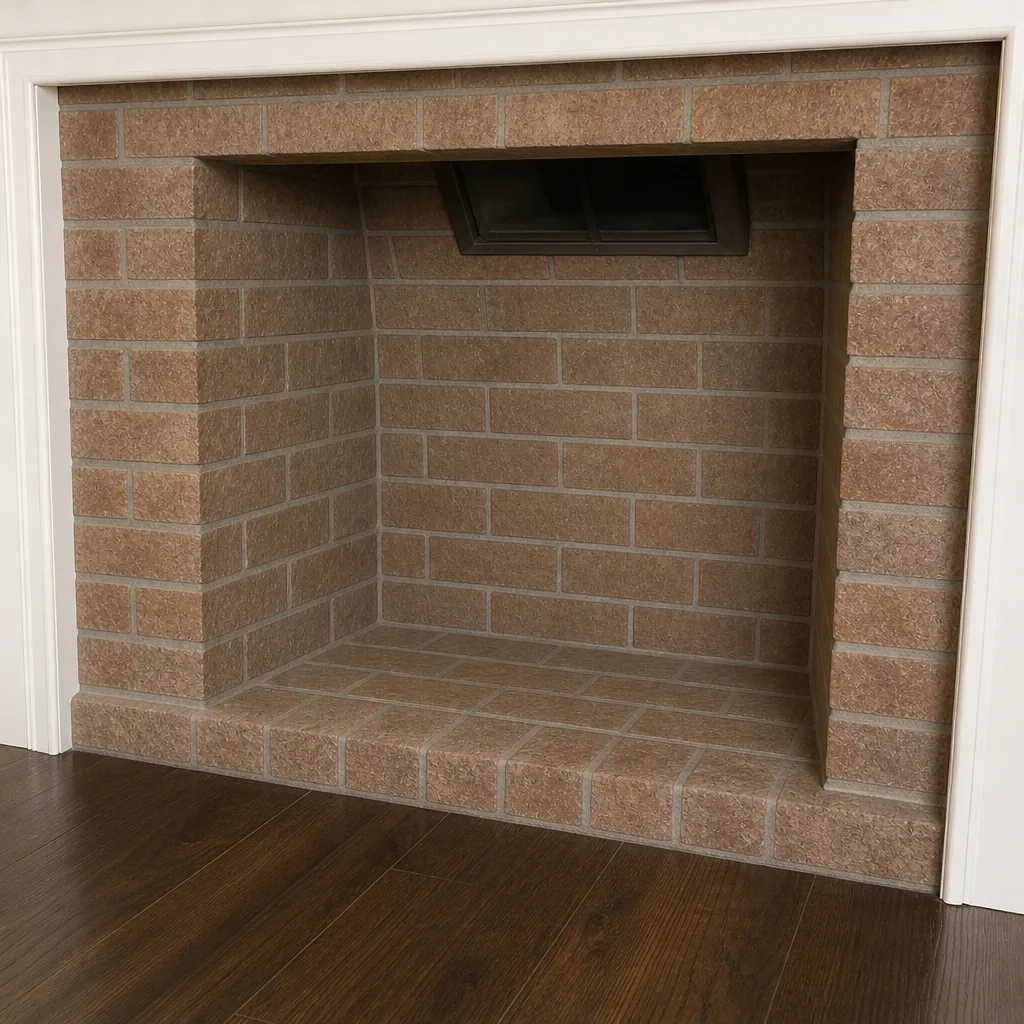 After
Common Chimney Liner & Rebuild Problems We See in South Weber Homes
- Shared stacks with cross-contamination risk. Many South Weber attached homes run a single masonry stack with adjacent flues, so a liner failure in one unit can let flue gases migrate into a neighbor’s appliance connection. That cross-contamination risk is rare in a standalone rural home, and it’s the first thing we check when two households share one chase.
- Spalling clay tile in early-1900s farmhouses. Original clay-tile liners near the old highway spall and shift after decades of coal and wood heat, leaving gaps that undermine draft and let creosote collect behind the liner. Once that tile is compromised, a sweep won’t fix it, but a reline usually will.
- Clogged caps and spark arrestors on newer homes. Factory-built chimneys in the 1990s – 2000s bench subdivisions often have caps and spark arrestors packed by debris from spring and fall canyon wind events. Poor draft gets misdiagnosed as a liner failure when the real problem is a blocked cap.
- Glazed creosote from smoldering fires. Winters along the Wasatch Front bring inversions and heavy wood-burning, so South Weber chimneys build concentrated creosote and soot during cold snaps. When the base’s east-side flight patterns and the valley inversion coincide, homeowners burn harder and longer, and we see the dense, glazed creosote that comes from smoldering fires in older fireplaces.
Pricing for Chimney Liner & Rebuild in South Weber, UT
Liner and rebuild pricing in South Weber depends on the length and configuration of the flue, the condition of the clay tile, and whether the crown and flashing need work at the same time as the liner. A typical HeatShield resurfacing job in South Weber runs $1,200 – $2,400, and a full stainless steel liner installation runs $2,800 – $5,500. A partial rebuild of the crown, flashing, and top courses typically runs $1,800 – $4,500, while a full chimney rebuild runs $6,000 – $14,000 depending on height and access. These are estimates for the South Weber market, and the written estimate you receive sets the final price. The inspection is free, and it’s done with camera footage you can see for yourself.
We Also Serve Cities Near South Weber
We also work in Uintah, Clinton, Sunset, and West Point, where the housing stock and the winter burn habits are much the same as in South Weber. If your home is just over the line from South Weber in any of those directions, we can take the same camera inspection and liner plan to your door. Call (877) 820-8528 and we’ll book you into the next opening.
Serving South Weber, UT – Our Local Coverage Area
We serve South Weber and nearby communities. Use the map below to see the area we cover. If you’re nearby, we can almost certainly help.
FAQs – Chimney Liner & Rebuild in South Weber
The way to know is a camera inspection of both flues in the shared stack, not a guess from either side of the wall. Because many South Weber attached homes share a single masonry stack with adjacent flues, a liner failure in one unit can let flue gases migrate into a neighbor’s appliance connection, which is a cross-contamination risk you don’t get in a standalone rural home. We inspect the full chase and show you where the gaps are. Call (877) 820-8528 – estimates are free.
In most cases it can be relined rather than fully rebuilt, as long as the surrounding brick and mortar are sound. Spalling clay tile in the early-1900s farmhouses near the old highway is common after decades of coal and wood heat, and a HeatShield resurfacing or a stainless liner restores the flue without tearing the stack down. We confirm it on camera before recommending either. Call (877) 820-8528 for an exact quote – estimates are free.
Glazed creosote usually comes from smoldering, low-air fires and a restricted flue, not from wet wood alone. Winters along the Wasatch Front bring inversions and heavy wood-burning, so South Weber chimneys build concentrated creosote and soot during cold snaps, and when old fireplace dampers don’t seal properly the fire burns cool and the creosote glazes. A sweep and a camera inspection tell you which problem you actually have. Call (877) 820-8528 – estimates are free.
Each appliance needs its own dedicated liner in a shared stack, and a gas insert vented into the same flue as your appliance is the cross-contamination risk we flag most often in South Weber’s attached homes. A dedicated stainless liner, sized for the appliance, gives each unit a sealed path so flue gases can’t migrate through the shared masonry. We verify both connections on camera before the liner goes in. Call (877) 820-8528 for an exact quote.
Not necessarily. Spring and fall wind events off the nearby canyons drive debris into caps and spark arrestors, and that packed cap alone can cause the poor draft that gets misdiagnosed as a liner failure. We clear the cap, then inspect the flue on camera so you know whether the liner is actually involved. Call (877) 820-8528 to book the inspection – estimates are free.
If you’re dealing with a failed liner, a spalling clay flue, or a shared stack that’s behaving oddly, call (877) 820-8528 for a free estimate. We answer 24/7. Fast dispatch from 7am to 7pm, Sunday through Friday. You’ll get camera evidence, a written estimate, and a clear answer on what can safely wait and what shouldn’t.
Written by the team at Syracuse Chimney Sweep.