
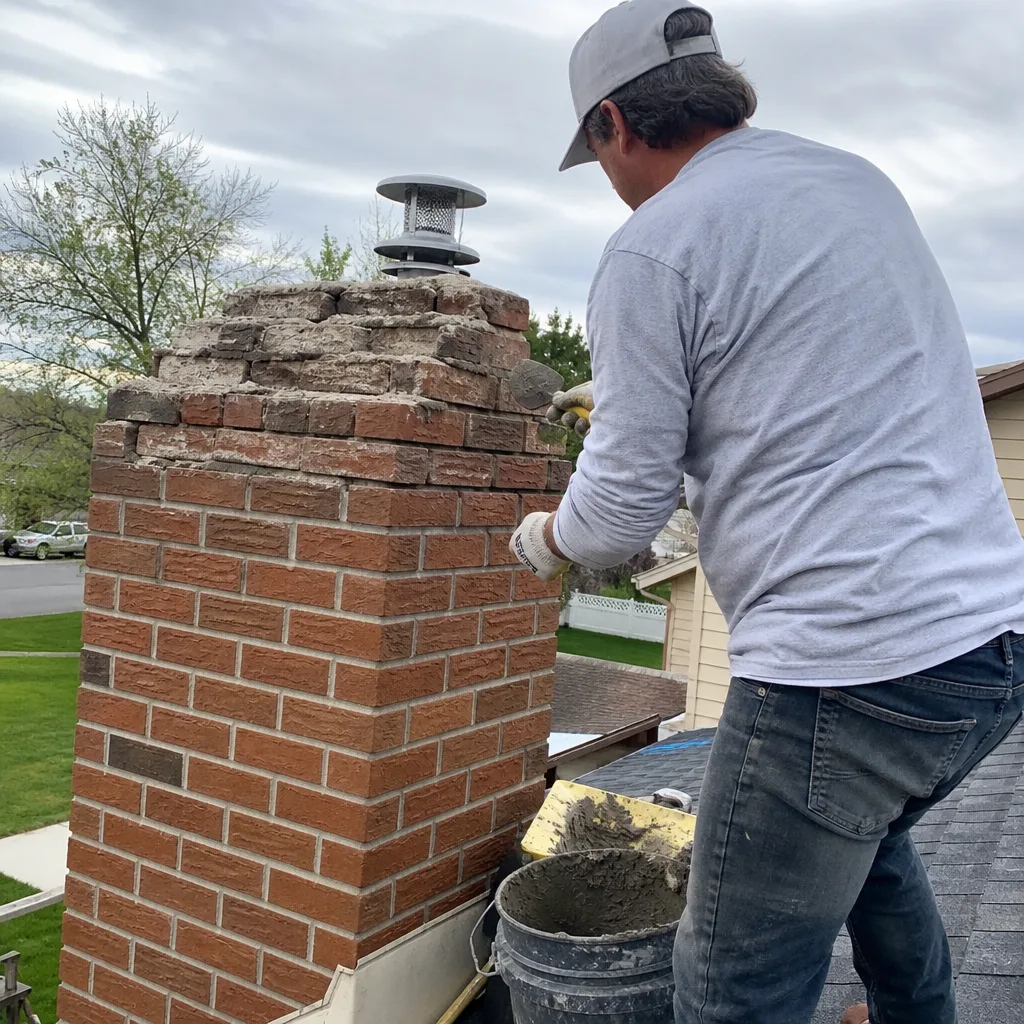
 Sweep & inspection
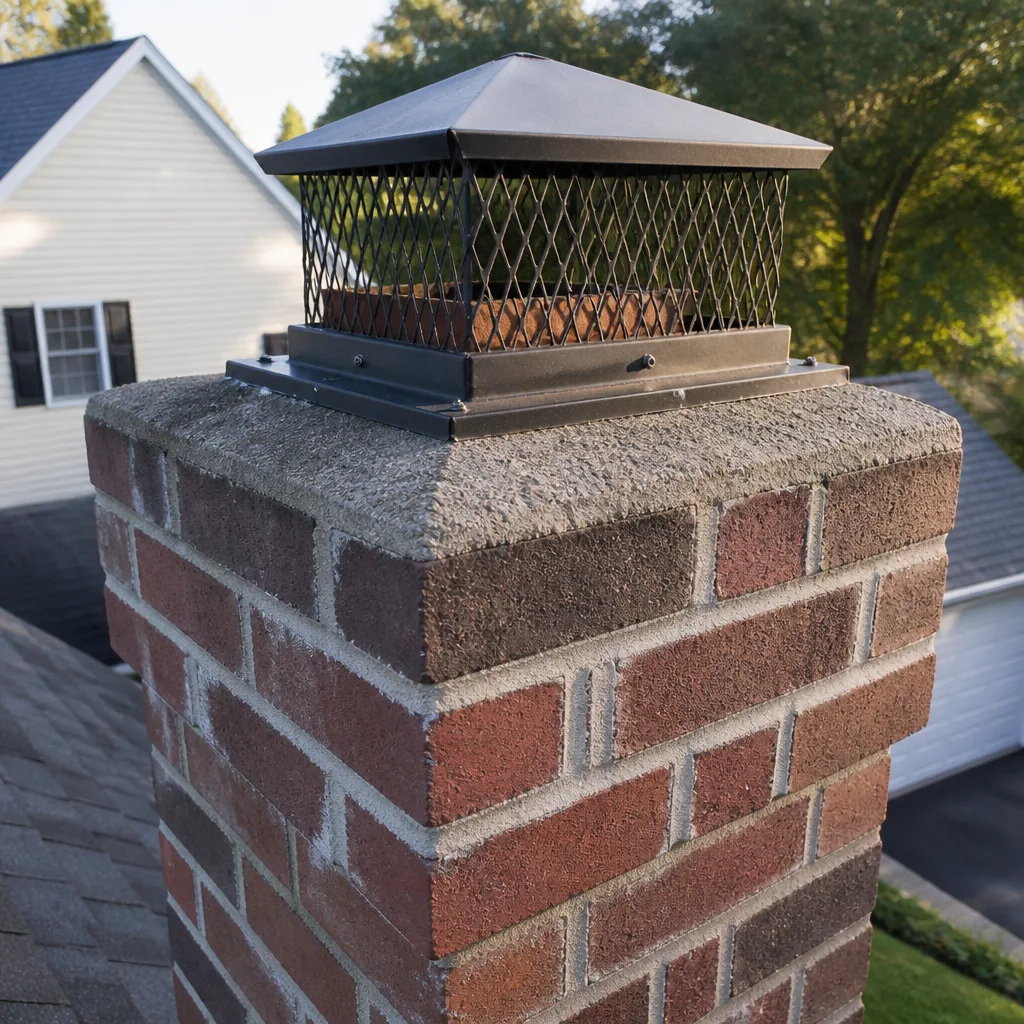
 Caps & crowns
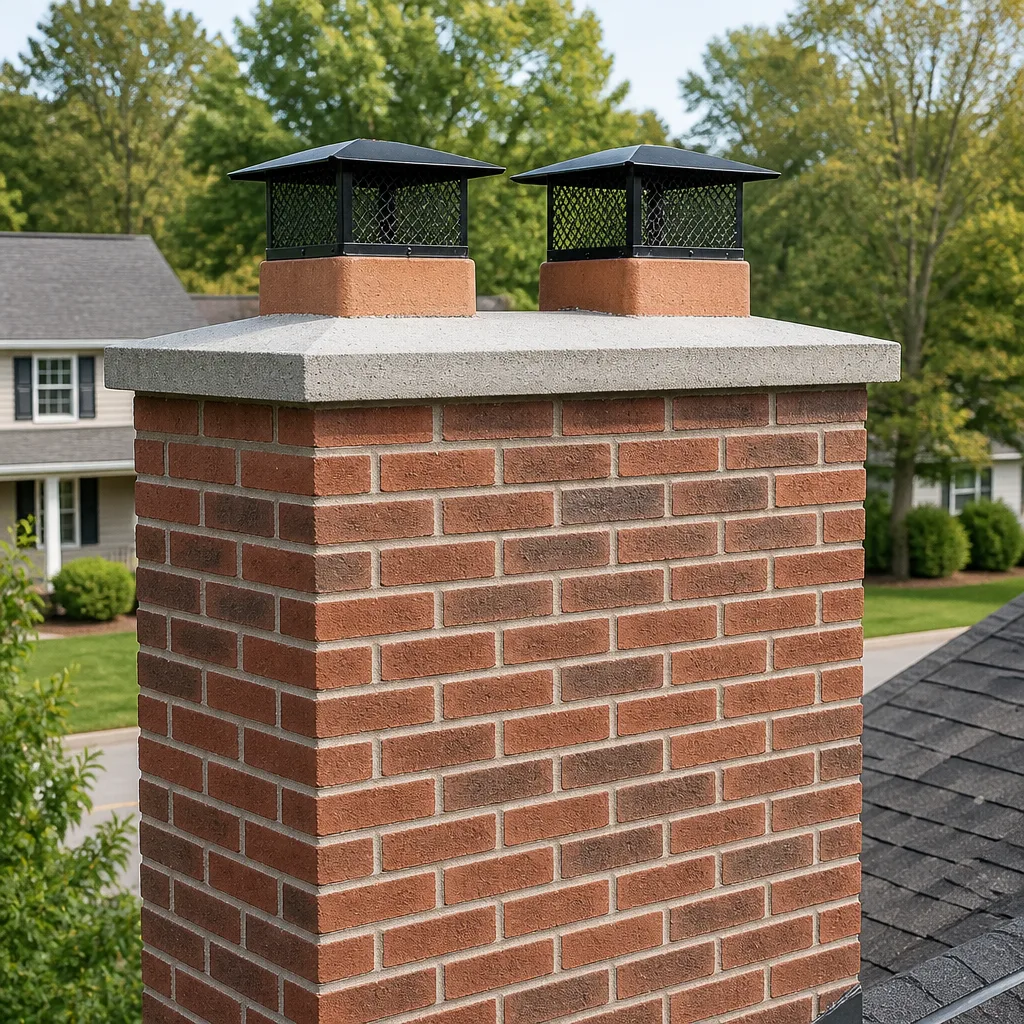
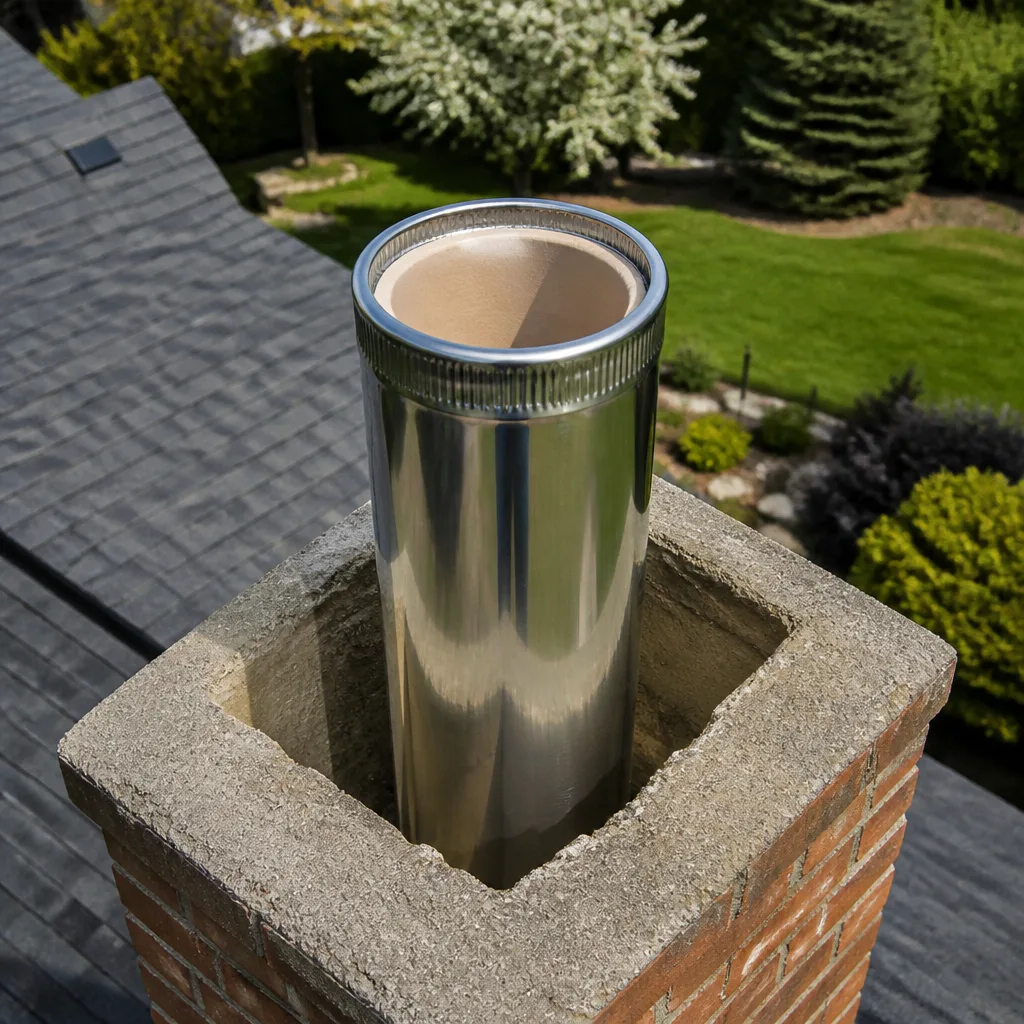 Flue relining
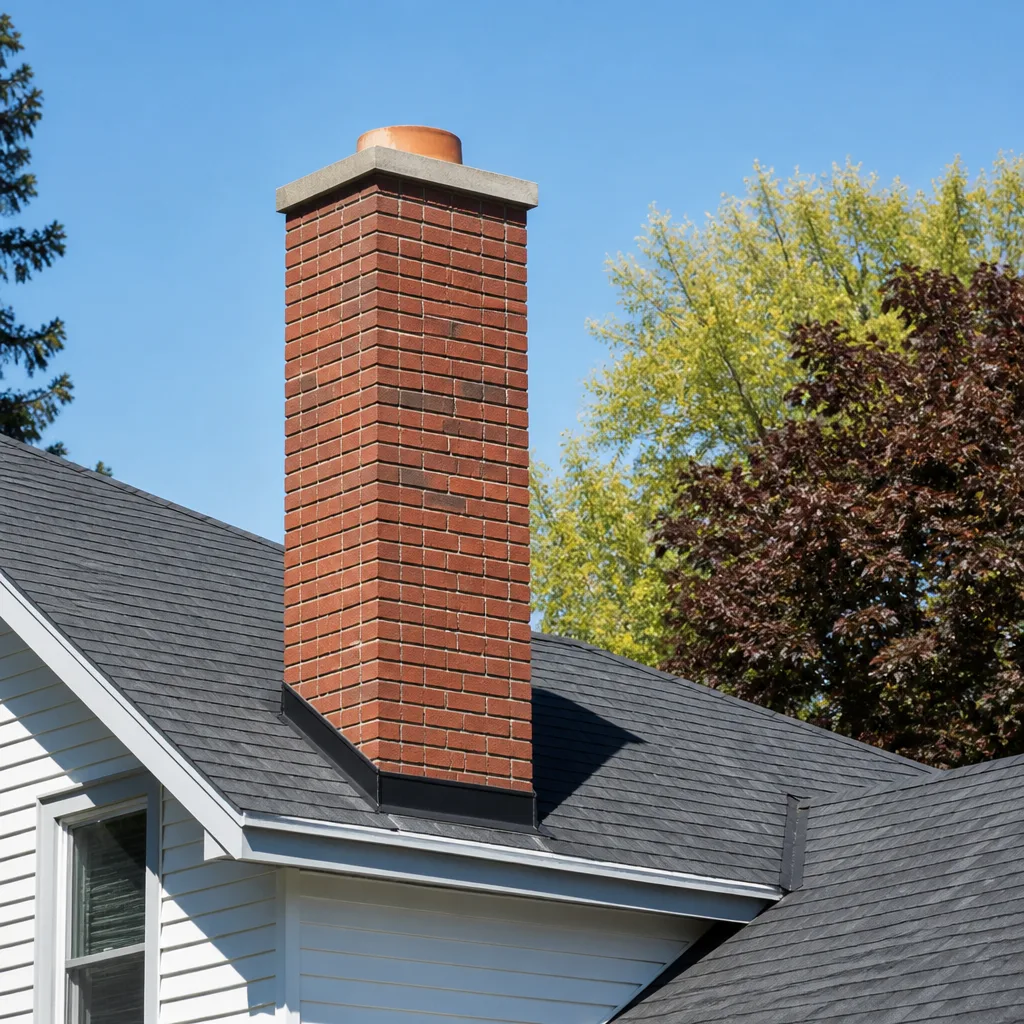 Masonry repair
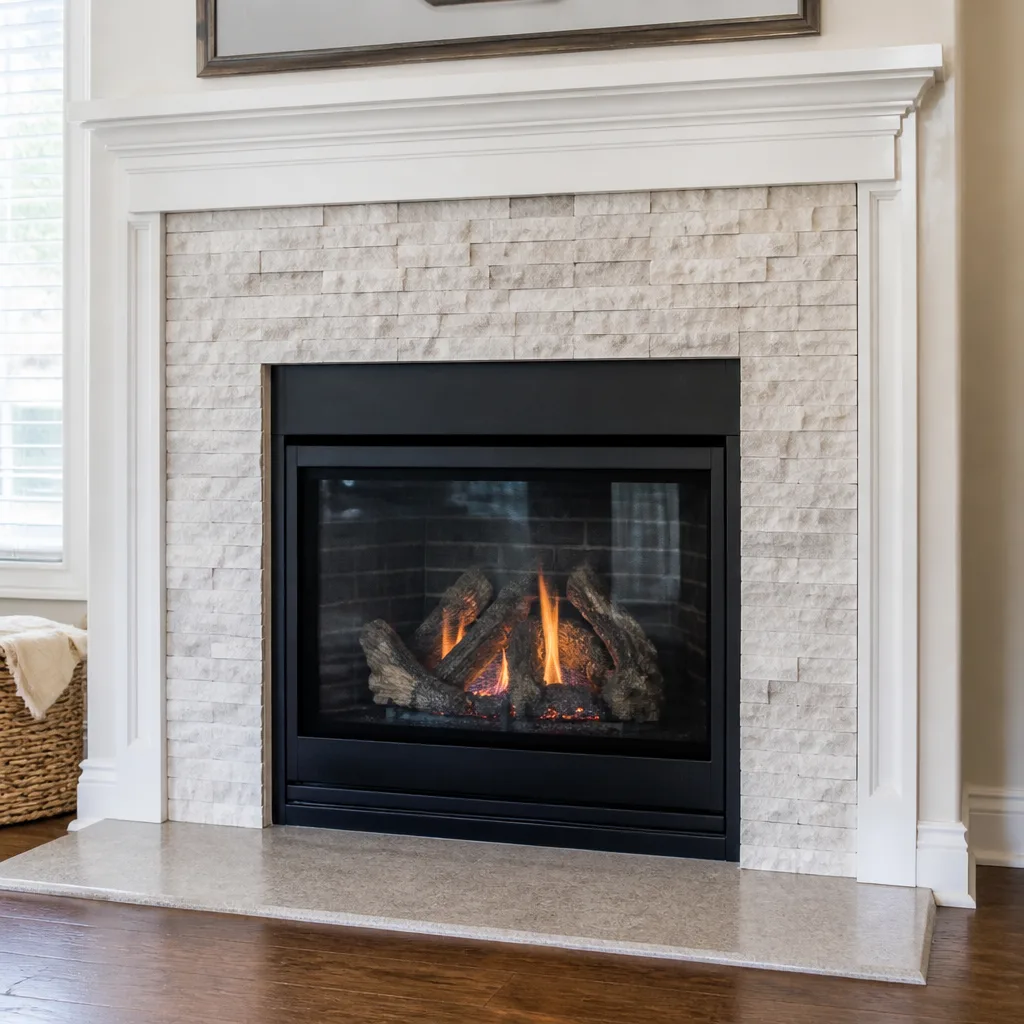 Gas fireplace service
Level 1 sweep and inspection to the NFPA 211 annual standard - flue, crown, cap, and flashing checked and photographed
Chimney sweep logs do not sweep chimneys. They loosen some creosote - which then falls where a brush and vacuum still have to collect it.
Styles & brands we work with
- Sweep & inspection
- Caps & crowns
- Flue relining
- Masonry repair
- Gas fireplace service
See the difference
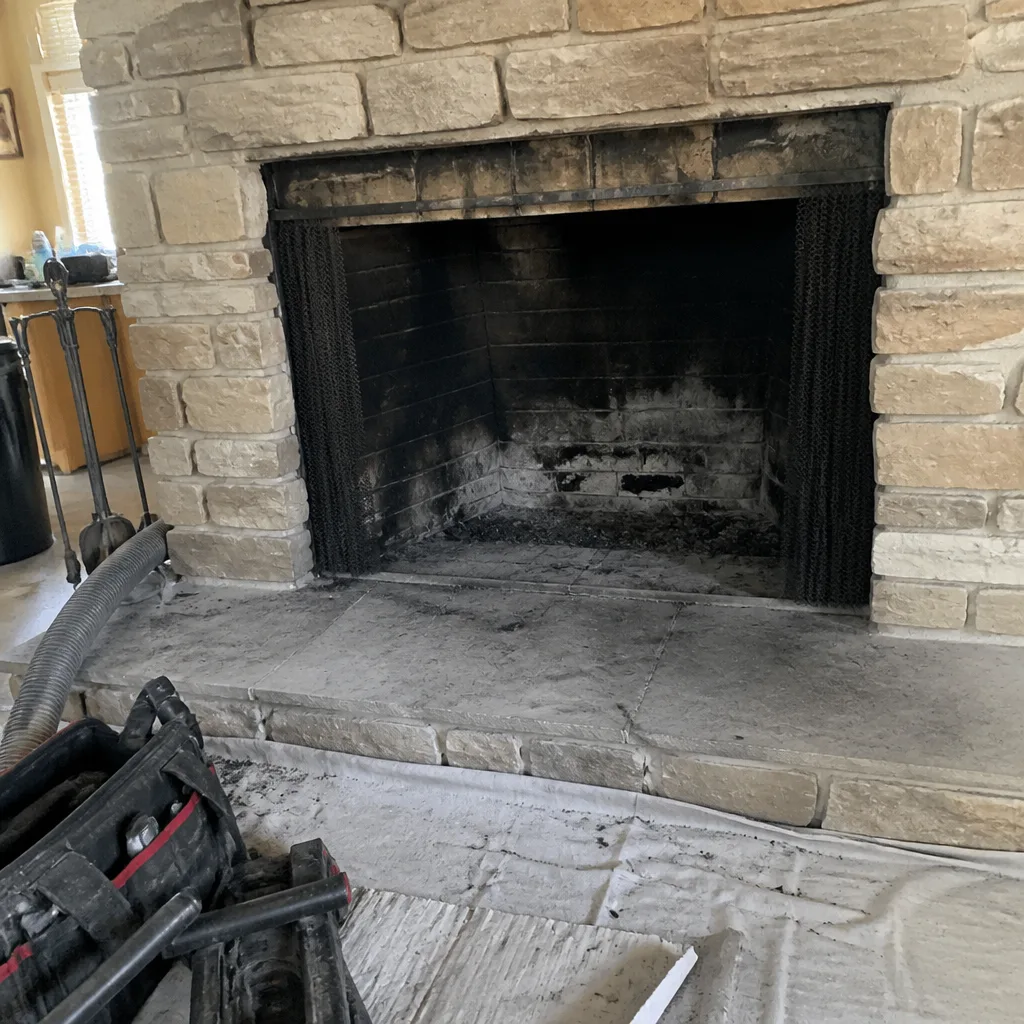 Before
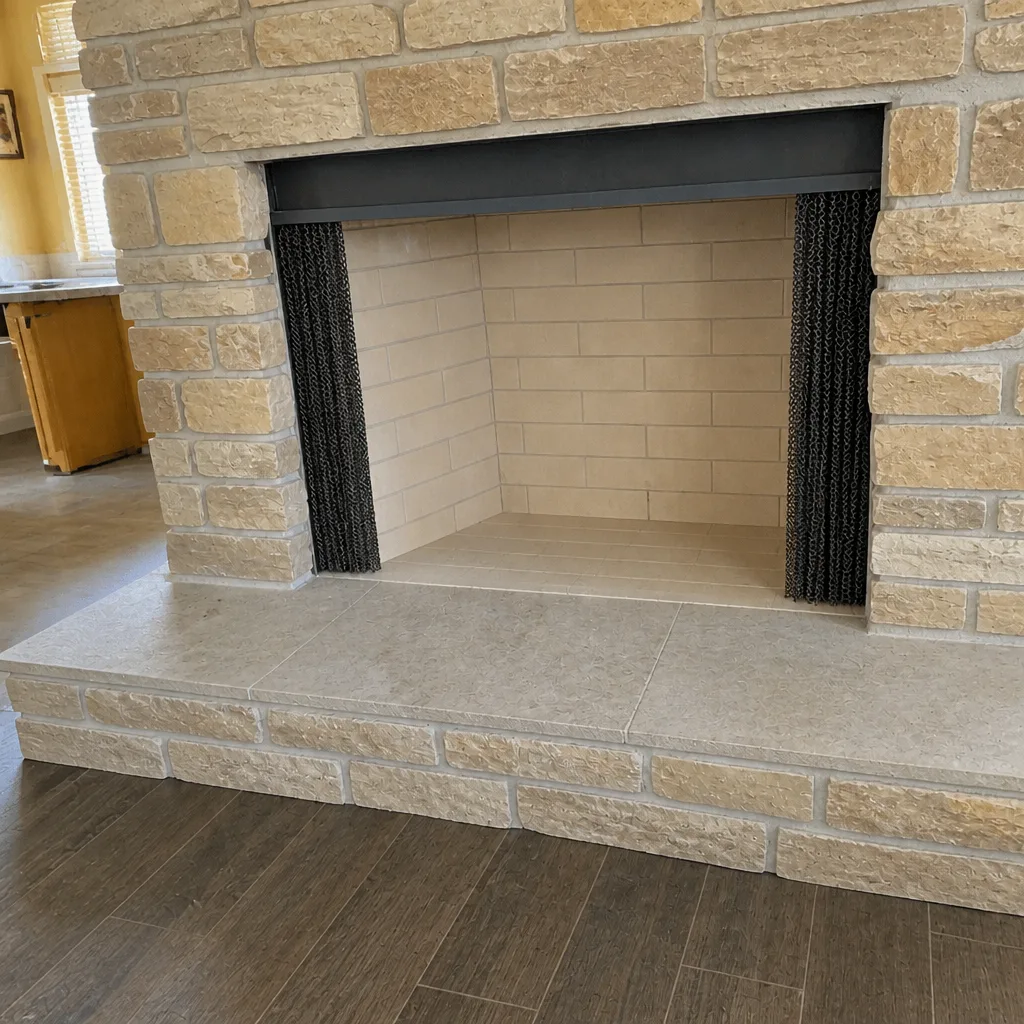 After
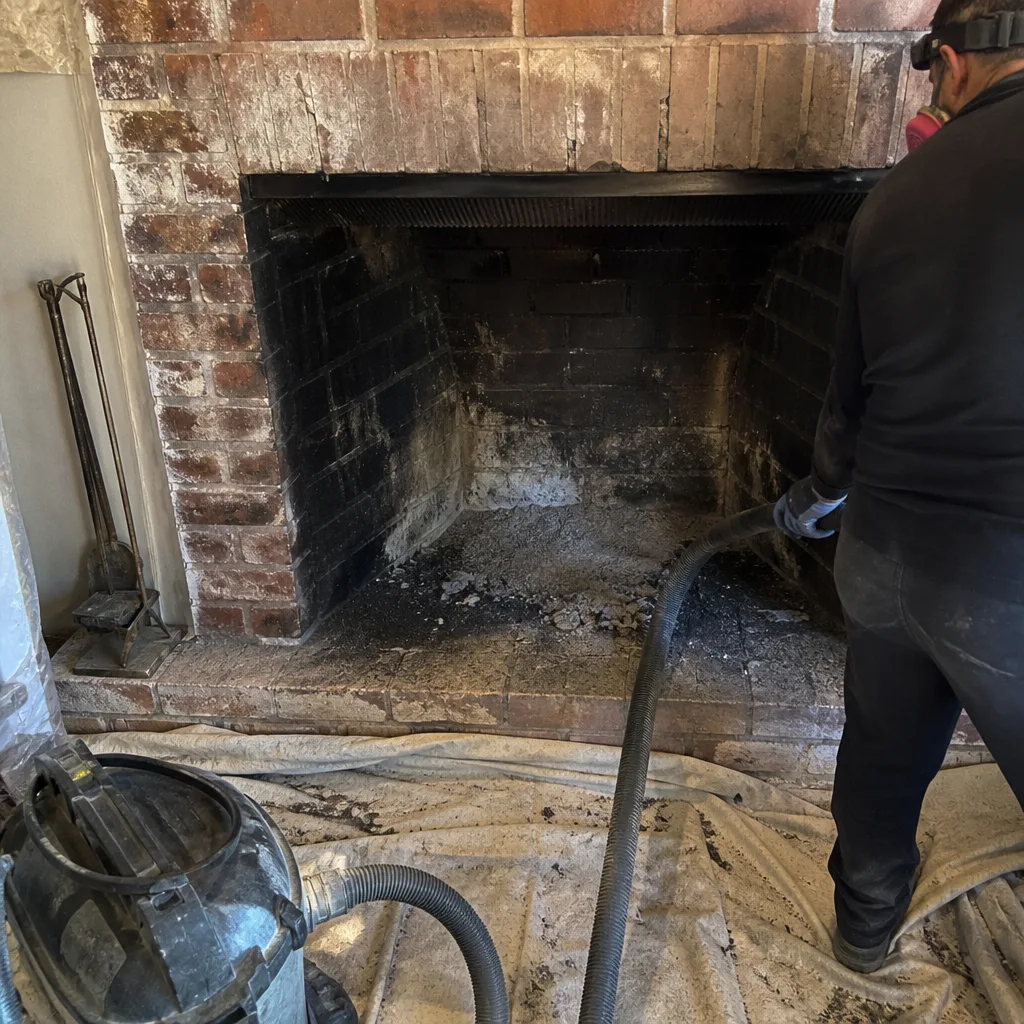 Before
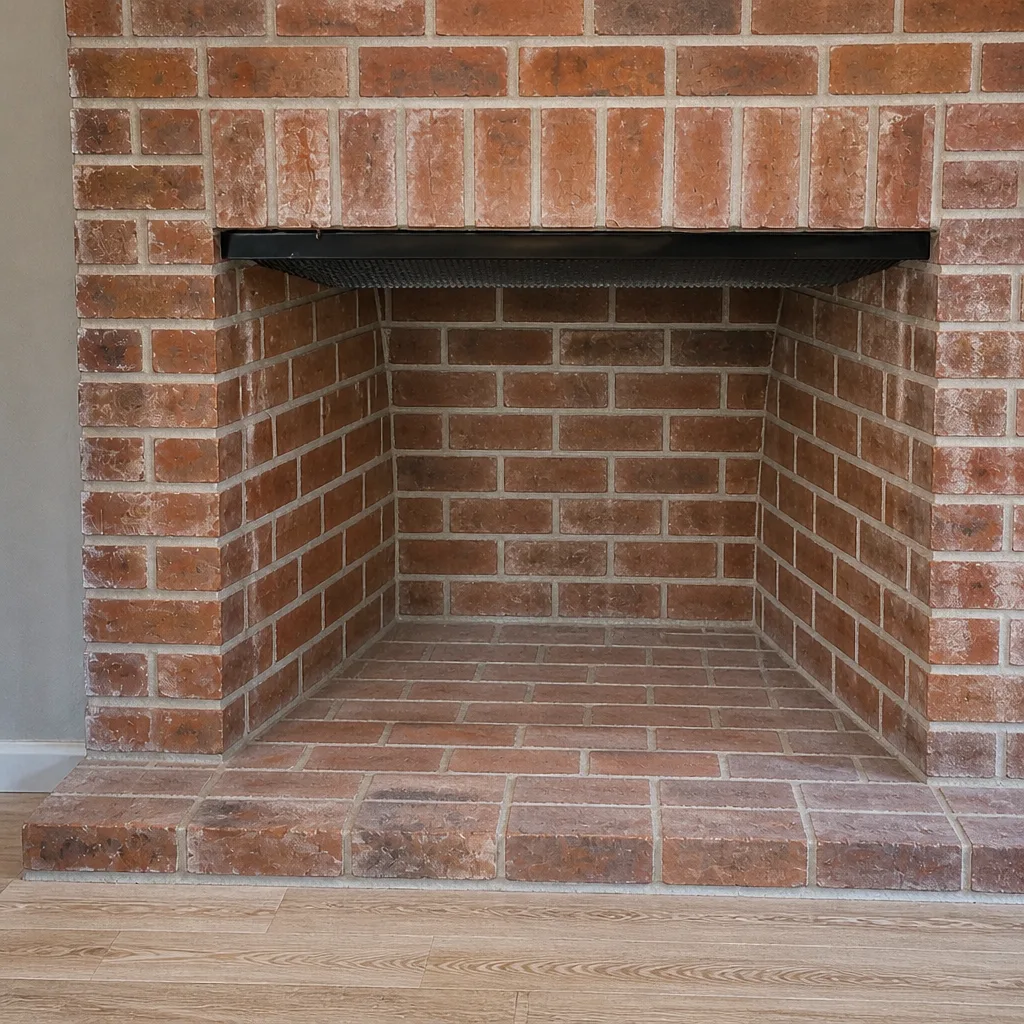 After
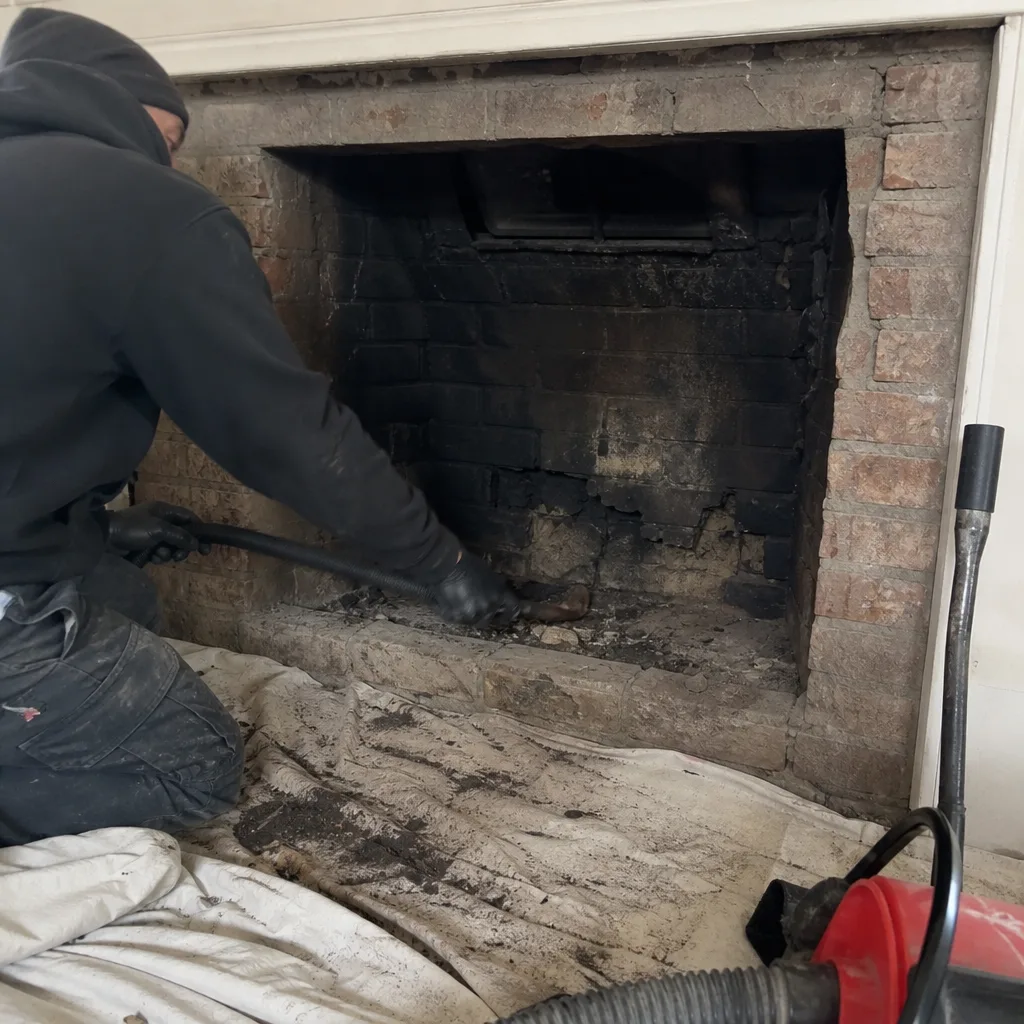 Before
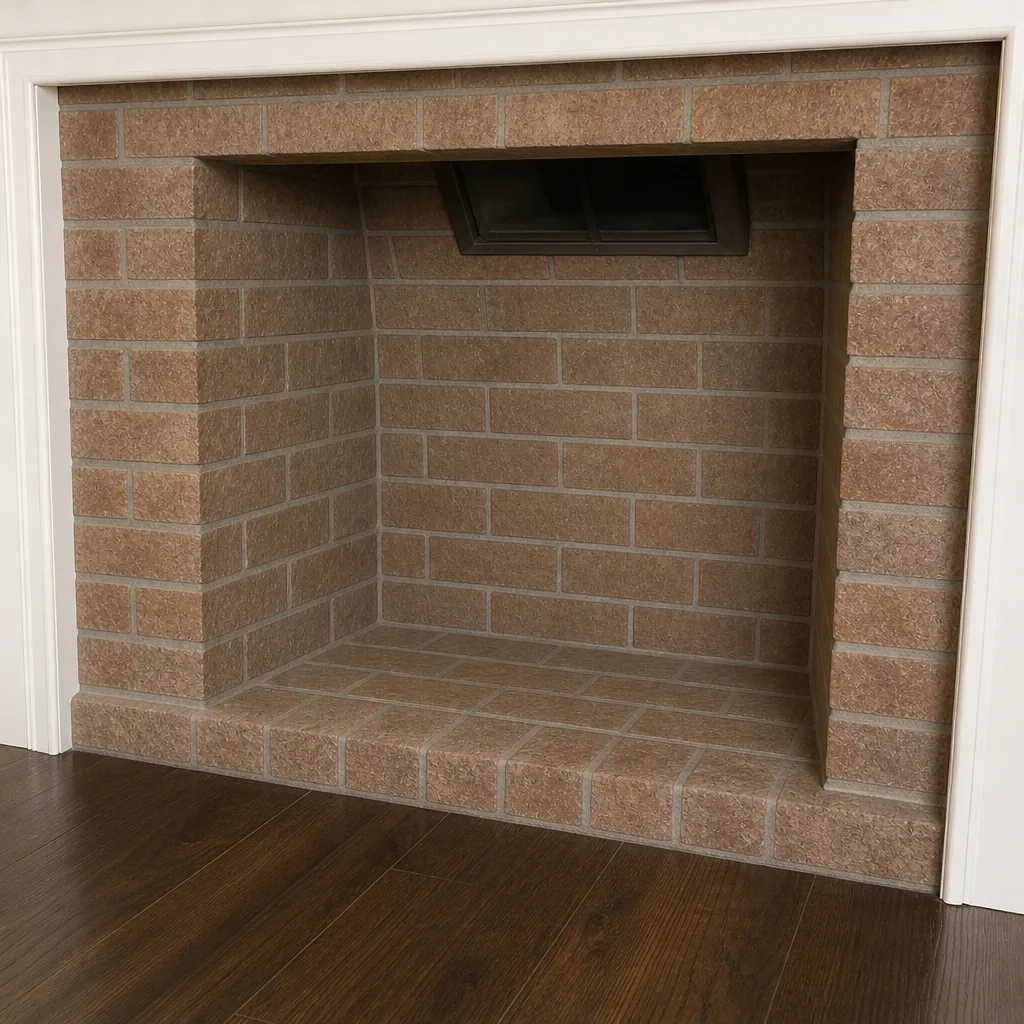 After
How Much Does Chimney Cleaning Cost in Farmington?
Chimney cleaning in Farmington typically runs $180 to $320 for a standard single-flue sweep, with most homes landing in the $220 to $260 range. A flue that hasn’t been touched in several years, a wood stove insert, or a gas appliance that needs a different brush kit can push the total toward $350. The written estimate you get before any work starts sets the final price, and the estimate itself is free.
Farmington’s housing stock matters here. The older homes near the downtown core and along the bench often have clay-tile flues that shed grit and build up creosote faster than the smoother liners in newer construction off Shepard Lane and Park Lane. That creosote is what makes an annual sweep worth the money: it’s a fire hazard, and it’s the one thing a homeowner genuinely cannot inspect from below. Call (877) 820-8528 to book a sweep. We answer 24/7. Fast dispatch from 7am to 7pm, Sunday through Friday.
Key Takeaways
- A standard sweep in Farmington runs $180 to $320; most jobs fall near $220 to $260.
- Older wood-burning flues and inserts cost more to clean than a basic open fireplace.
- Cleaning alone won’t fix a cracked liner or a missing cap, so we quote repairs honestly, separately, and only if they’re actually needed.
- A free estimate and a written price come before any brush goes up the flue.
- Our technicians have up to 10 years of experience with clay tile, stainless, and flexible DuraFlex liner systems.
Chimney Cleaning Cost Breakdown (2026)
Here’s what chimney work in the Farmington market typically looks like for the 2026 season. These are estimated ranges, not quotes – your written estimate is the number that counts.
| Service | Typical Farmington Range |
|---|---|
| Standard sweep, single flue, wood-burning fireplace | $180 – $260 |
| Sweep with chimney cap removed, cleaned, and reseated | $210 – $290 |
| Gas fireplace or gas insert cleaning and vent check | $180 – $300 |
| Wood stove or insert flue sweep (tighter access, more time) | $240 – $350 |
| Multi-flue sweep, two flues cleaned in one visit | $300 – $480 |
| Video camera inspection, added to a sweep | $90 – $180 |
| Creosote glazing removal (Stage 3 buildup) | $280 – $520 |
| Chimney cap installed (standard stainless) | $150 – $340 |
| Crown repair, patching and sealing | $250 – $600 |
| HeatShield flue liner resurfacing (per flue) | $1,200 – $2,800 |
| Full stainless liner installation, DuraFlex flexible | $2,000 – $4,500 |
The numbers move for four reasons: how much creosote is in the flue, how hard the access is (a steep roof and a tall chimney take longer than a short one), how many flues or appliances are on the chimney, and whether the sweep turns up a problem that needs a repair. A sweep is a cleaning job. If we find a cracked crown, a missing cap, or a deteriorating liner, we note it, photograph it, and quote the fix separately. You decide whether to do it now, plan it for later, or get a second opinion.
What often surprises Farmington homeowners is the creosote. Wood burned at low temperature, especially in a firebox with a glass door and a weak draft, leaves a glazed, tar-like deposit that a standard brush won’t fully lift. That’s the Stage 3 situation, and it costs more because it takes different tools and more time. It’s also the reason an annual sweep is cheaper than waiting three or four years: light soot is quick to remove, hard glaze is not.
What Affects Chimney Cleaning Pricing in Farmington
- The age and type of the flue. Farmington’s older clay-tile flues, common in the homes closer to Main Street and the historic core, tend to crack and spall as they age. Spalling means grit falls down the flue and the sweep takes longer. A modern stainless liner is smooth and cleans faster. Neither changes the safety reason for cleaning, only the time it takes.
- How much creosote is built up. Light soot is a straightforward sweep. Glazed creosote requires chemical treatments and extra passes, which pushes the price toward the top of the range. If it’s been more than a couple of seasons, plan for the higher end.
- Access to the roof and the chimney. Farmington sits on a bench with some steep lots and tall rooflines. A chimney that’s hard to reach safely, or that needs a roof ladder setup, takes extra time. We never cut corners on roof safety to save a few minutes.
- Gas vs. wood. Gas appliances leave different deposits and need different brushes and a vent check. They’re usually in the same price band, but a gas insert with a blocked vent can take longer to diagnose.
- Wait, is that porch a code issue? Every city’s building department sets its own rules for chimney clearances and cap height. Farmington is no exception. If the sweep turns up a clearance issue, we tell you plainly rather than guessing at the code. Your city’s building department is the right call for the exact requirement.
- Whether repairs are needed. Cleaning is one line. Repairs are separate. That separation is what keeps the pricing honest – a sweep never becomes a surprise rebuild without your say-so.
One local note on the climate: Farmington’s cold, dry winters mean the fire burns hot for months, and the shoulder seasons swing between cold snaps and mild days. That on-off pattern is rough on clay flues. Thermal cycling opens hairline cracks that don’t show from below, which is one more reason a sweep plus a quick inspection beats a sweep alone. And because Farmington sits in a valley that traps winter inversions, keeping the flue clear and drafting well matters for indoor air quality as much as for fire safety.
How to Save on Chimney Cleaning
The single biggest saving is timing. Book your sweep in the shoulder season, before the first hard freeze, and you avoid the crunch that comes with the first cold snap. It also lets you deal with any repair on your own schedule rather than an urgent one.
- Clean the cap and crown yourself first. Leaves, twigs, and bird nests packed into a cap are common in Farmington’s tree-lined neighborhoods, and clearing that debris before we arrive shortens the visit. Don’t climb the roof to do it – clear what you can safely reach from the ground, and let a professional handle the rest.
- Burn dry, seasoned wood. Wet wood smolders and leaves glazed creosote that costs more to remove. Seasoned hardwood burns hotter and cleaner, which means less buildup and a quicker sweep next time.
- Get a written estimate and compare line items. A free estimate that spells out the sweep and any repairs separately tells you exactly where the money goes. Call (877) 820-8528 for a free estimate before you commit to anything.
- Don’t skip years. An annual sweep costs a fraction of a full liner replacement. The cheapest chimney work is the maintenance you actually keep up with.
- Ask about resurfacing before replacing. If the liner is deteriorating, HeatShield flue resurfacing can restore it at a fraction of the cost of a full replacement. We’ll tell you honestly whether resurfacing is the right call or whether replacement is the safer option.
If you’re wondering whether it’s cheaper to repair or replace, the answer depends on the condition of the liner. A liner with isolated cracks or a rough surface that resurfacing can smooth is a good candidate for HeatShield – it extends the life of the flue without tearing everything out. A liner that’s crumbling or has failed sections needs replacement, and DuraFlex flexible liners are the answer for offset or awkward flues that rigid systems can’t handle. We quote both options honestly and let you decide.
What a Chimney Sweep Actually Involves
A sweep isn’t just a brush on a pole. Here’s the sequence a chimney professional runs through, from the firebox to the cap.
- Inspect the firebox and damper. We look for cracks in the firebox brick, a damper that doesn’t seat, and signs of a previous chimney fire.
- Set up containment. Drop cloths and a shop vacuum keep soot out of your living room. No mess left behind.
- Sweep the flue. The brush size depends on the liner: clay tile, stainless, or flexible DuraFlex. Each one needs the right tool so the liner isn’t damaged in the process.
- Check the cap and crown. These two components are the most common sources of water intrusion and structural damage. A cracked crown or a missing cap lets water into the flue, and water plus freeze-thaw cycles is what cracks liners. This is a quick check that saves big money later.
- Run a camera if needed. If the sweep reveals anything suspicious, a video inspection shows exactly what’s happening inside the flue. No guesswork.
Each stage matters. A sweep that doesn’t check the cap and crown is only doing half the job, and a sweep that doesn’t know the difference between a clay flue and a stainless liner can do more harm than good. Our technicians have up to 10 years of experience across both, and we install and work with DuraFlex, HeatShield, Gelco, Olympia Chimney, Famco, and Copperfield systems. Knowing the material means knowing how to treat it.
Why a Farmington Homeowner Shouldn’t Put It Off
Creosote is the reason. It’s a natural byproduct of burning wood, and it builds up in layers on the flue walls with every fire. At Stage 1 it’s soot. At Stage 2 it’s flaky and crumbly. At Stage 3 it’s glazed and hard, and it’s the stage that’s genuinely dangerous: a stray spark can ignite it, and a chimney fire can spread into the framing faster than a homeowner can react. You can’t see the buildup from inside the house, which is why an annual sweep is the one maintenance task worth keeping on the calendar.
The other reason is water. Farmington’s snow and rain get into a chimney through a missing cap or a cracked crown, and water sitting in the flue, combined with a hard freeze, cracks liners and mortar joints. That’s a repair you don’t want to discover the hard way. A cap and crown check during a sweep catches it early.
And one safety caveat worth stating plainly: the inside of a chimney, the roof, and any gas appliance are not places for a homeowner to work. The fire hazard, the height, and the risk of carbon monoxide from a blocked vent are all real. If something looks off up there, hire a trained chimney professional. The cost of a sweep is small compared to the cost of getting it wrong.
When Should You Schedule a Chimney Sweep in Farmington?
Once a year, ideally in late summer or early fall, before you start burning. If it’s been more than a year, book now. If you’ve just moved in and don’t know the chimney’s history, book before the first fire. If you’ve had a chimney fire, even a small one, get it inspected before you burn again. And if you burn a lot of wood through Farmington’s cold winters, an annual sweep is not optional – it’s the baseline.
Syracuse Chimney Sweep handles the full chimney life cycle, from the annual sweep through chimney sweep and repair, fireplace repair, cap and crown work, liner installation, and full rebuilds. You don’t need to line up a second contractor for a repair the sweep turns up. It’s one call, one estimate, and a specialist who knows the whole system.
FAQs – Chimney Cleaning Cost
How much does chimney cleaning cost in Farmington, UT?
Chimney cleaning in Farmington typically costs $180 to $320 for a standard single-flue sweep, with most homes near $220 to $260. Gas fireplaces, wood inserts, and heavy creosote push toward the top of the range. Call (877) 820-8528 for a free estimate – the written estimate sets the final price.
Is it cheaper to repair or replace a chimney liner?
Resurfacing is almost always cheaper than replacement when the liner is still structurally sound. HeatShield flue resurfacing typically runs $1,200 to $2,800, compared to $2,000 to $4,500 for a full DuraFlex stainless liner install. The right answer depends on whether the liner can be restored or has actually failed. Call (877) 820-8528 and we’ll inspect it honestly before you decide.
How much does creosote removal cost in Farmington?
Stage 3 glazed creosote removal runs about $280 to $520 in Farmington, more than a routine sweep because it takes chemical treatment and multiple passes. Catching buildup earlier keeps the cost down. Call (877) 820-8528 for a free estimate.
Can you come today?
Same-day service is often available depending on the schedule. We answer 24/7, with fast dispatch from 7am to 7pm, Sunday through Friday. A call outside dispatch hours is booked into the next opening. Call (877) 820-8528.
Does chimney cleaning cost more if I have a gas fireplace?
Gas fireplace cleaning usually falls in the same $180 to $300 range as a wood sweep, though a vent check can add time. Gas appliances leave different deposits and need different brushes. Call (877) 820-8528 for a free estimate.
Why does an annual sweep save money?
Because a light sweep costs a fraction of a liner repair or rebuild. Keeping the flue clean prevents the glazed creosote that damages liners, and checking the cap and crown each year catches water intrusion before it cracks the flue. The cheapest chimney work is the maintenance you keep up with. Call (877) 820-8528 to schedule a free estimate.
Pricing reflects the Farmington market as of 2026. Syracuse Chimney Sweep offers free estimates – call (877) 820-8528.
Written by the team at Syracuse Chimney Sweep.
What Our Customers Say
"Level two inspection before we bought the house. The report was detailed enough to use as a negotiating point and he explained every photo in it."
- Javier Castillo"Crown was cracked and taking water. Repaired it rather than quoting a rebuild, which the previous company had pushed hard for."
- Oscar Vargas"Cap keeps the birds out now, which after two springs of scratching noises is worth every penny."
- Nicole Mercer