
Last updated November 24, 2026
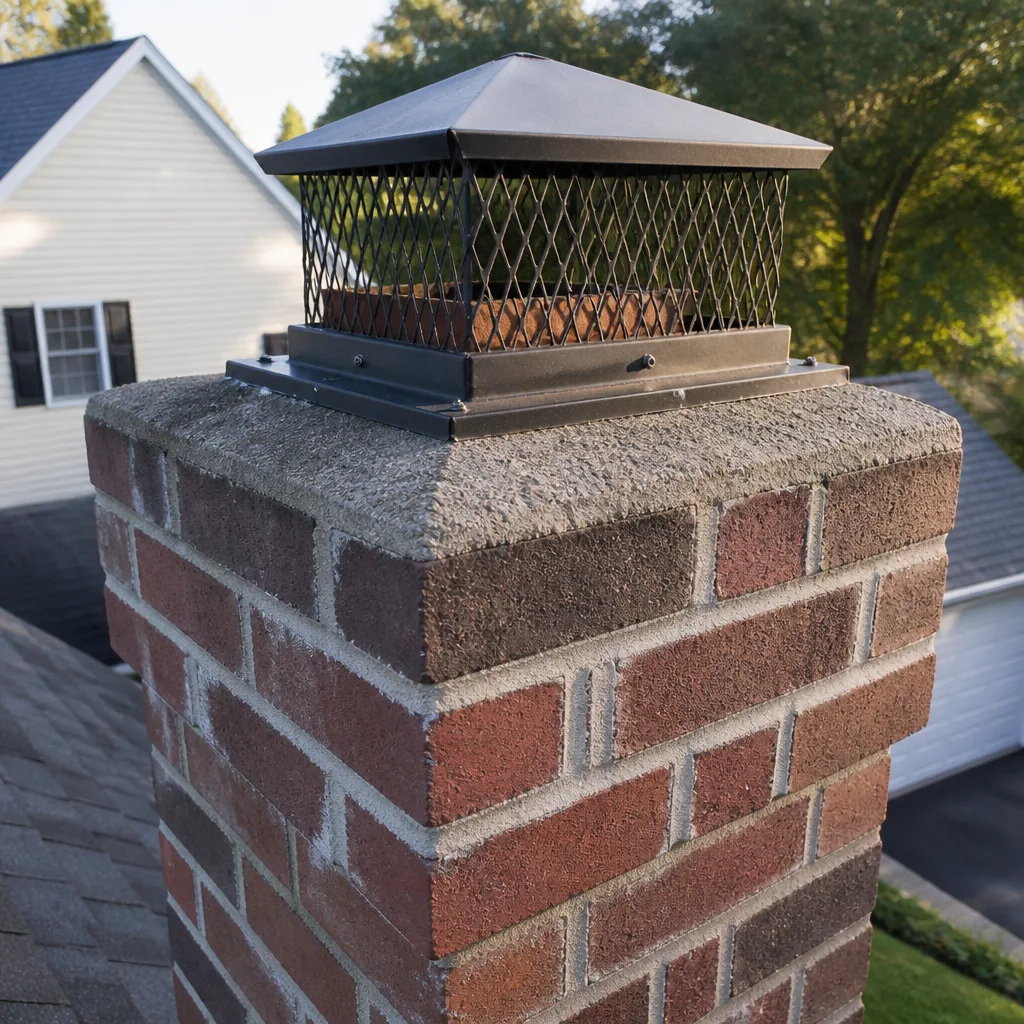 Sweep & inspection
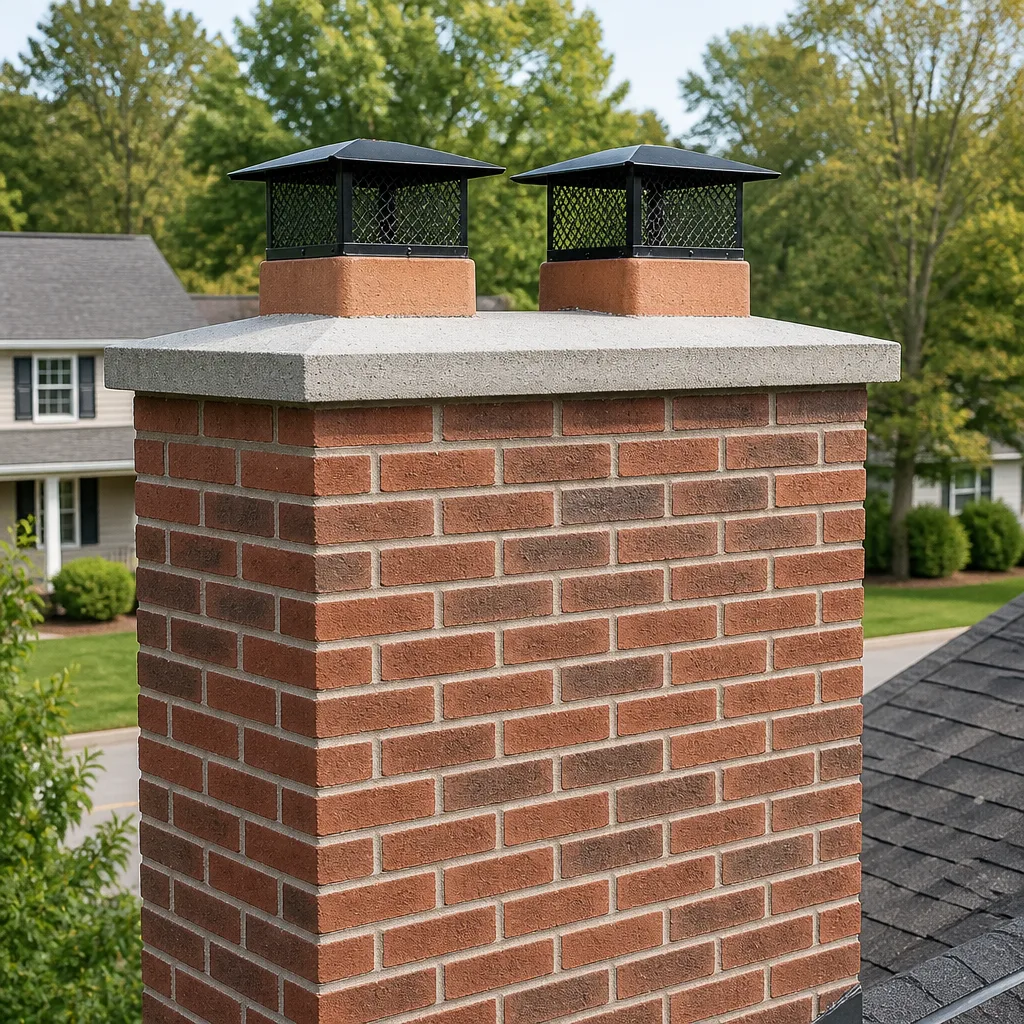 Caps & crowns
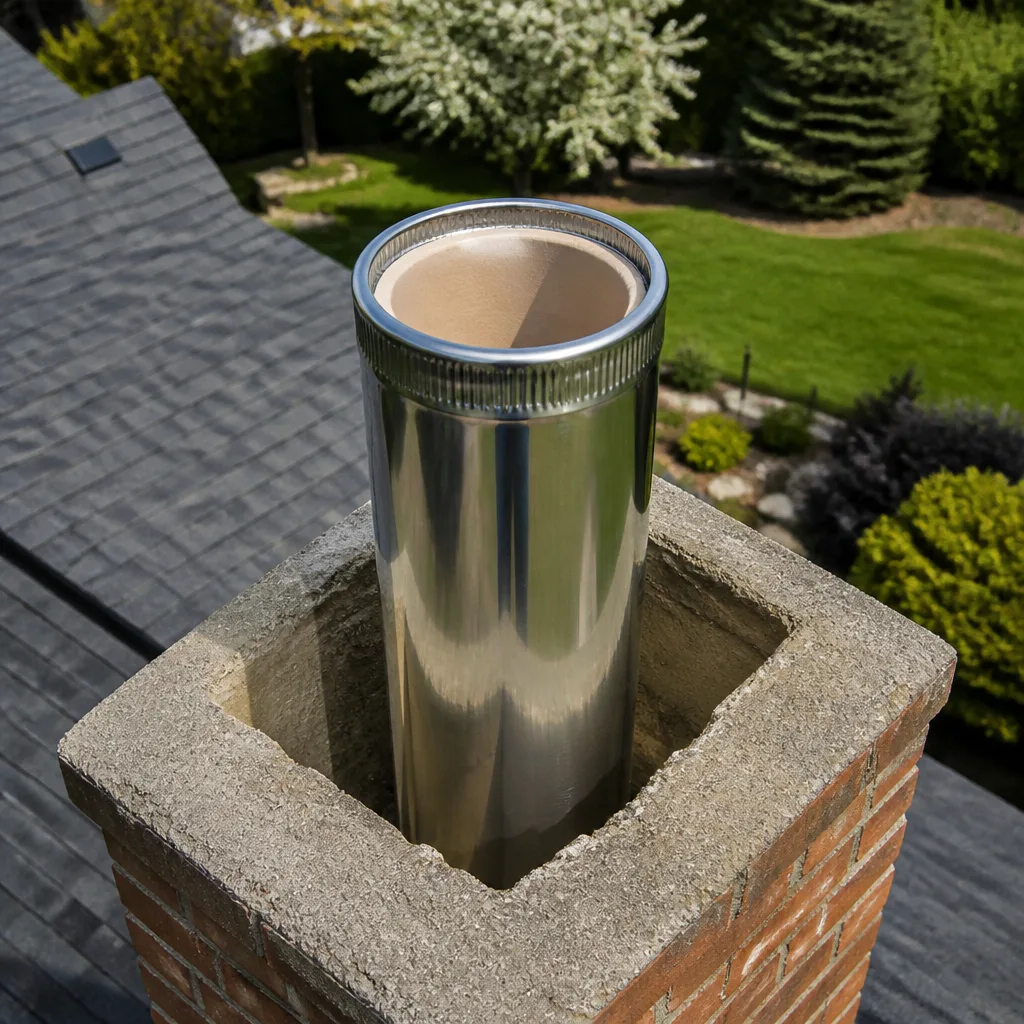 Flue relining
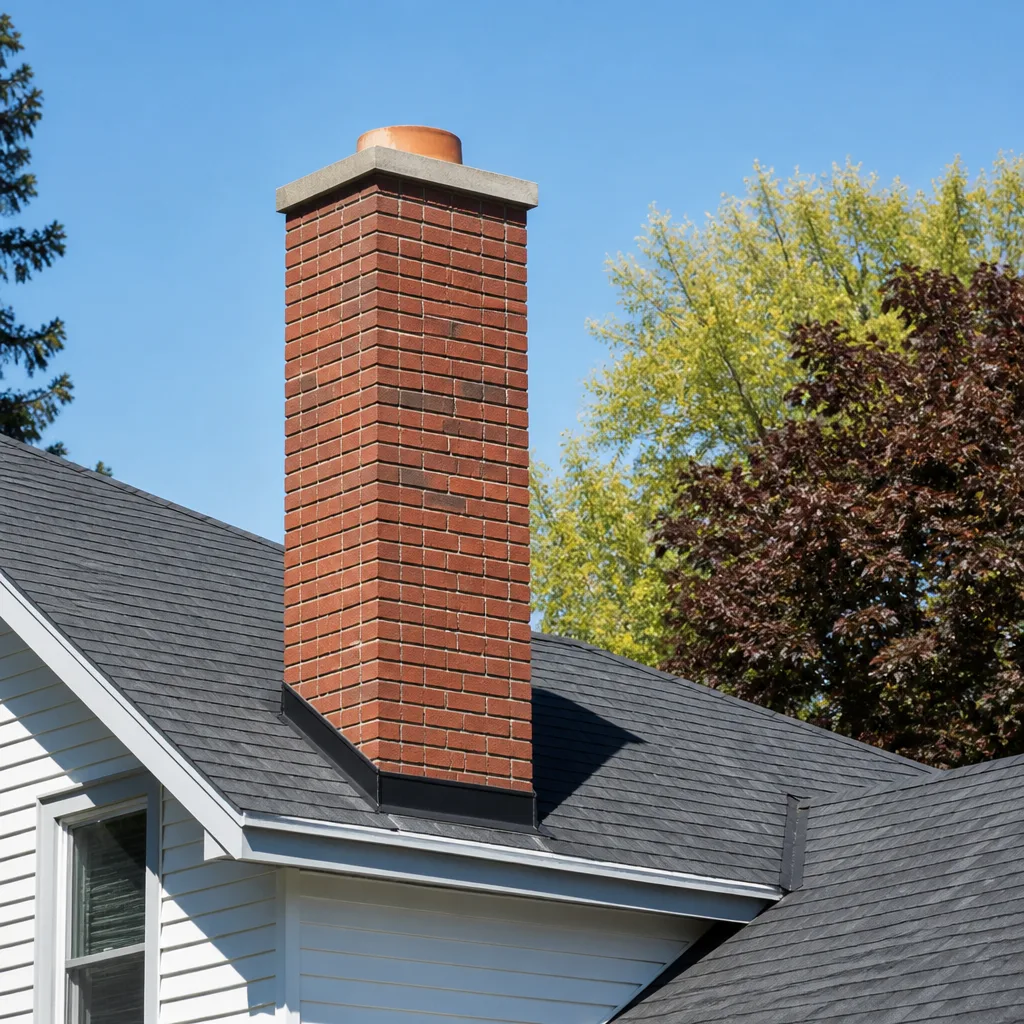 Masonry repair
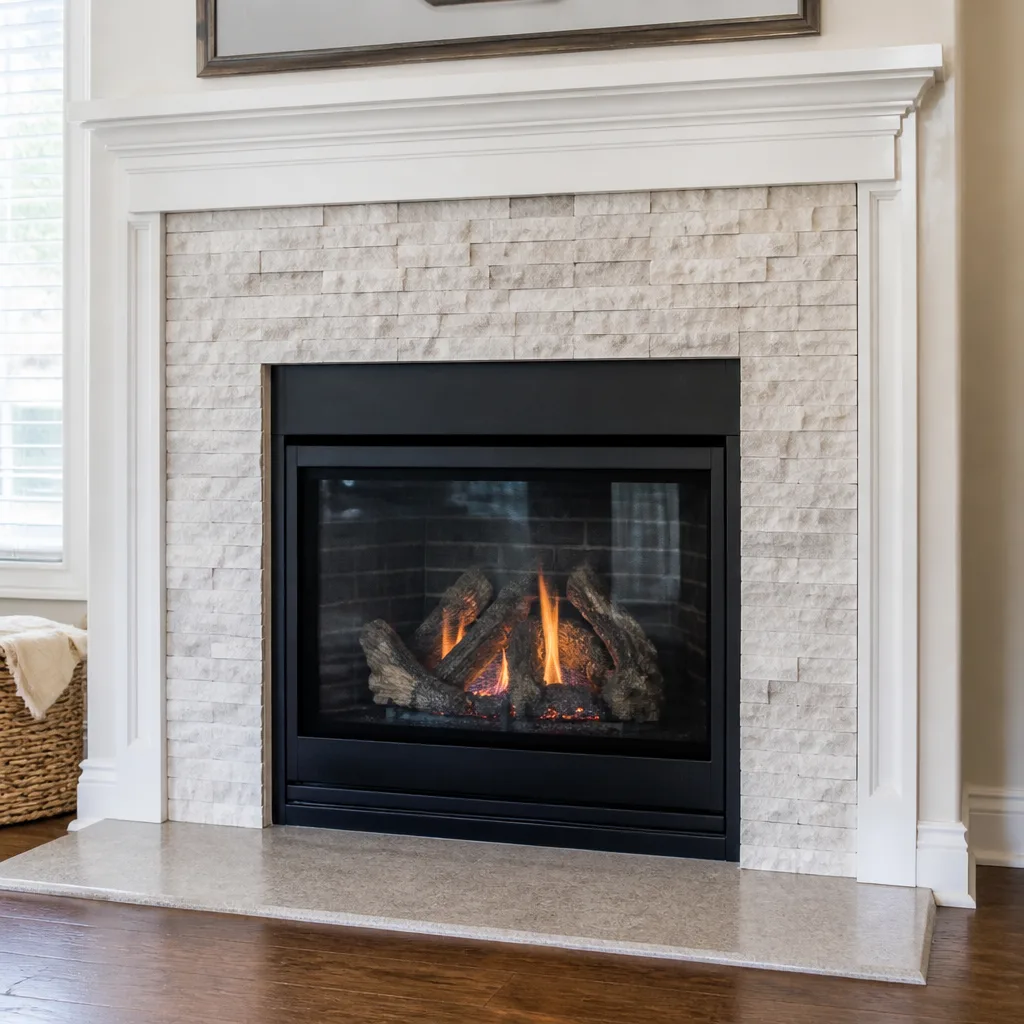 Gas fireplace service
Level 1 sweep and inspection to the NFPA 211 annual standard - flue, crown, cap, and flashing checked and photographed
Chimney sweep logs do not sweep chimneys. They loosen some creosote - which then falls where a brush and vacuum still have to collect it.
DIY vs Professional Chimney Cleaning: The Syracuse Homeowner’s Decision Guide
If you cleaned your own flue for years and felt confident about it, you are exactly the homeowner this guide is written for. A brush kit and a shop vac will remove the soot you can see. What they won’t tell you is what creosote stage is building up out of sight, or whether a hairline fracture in the liner is letting heat reach framing lumber. The difference between DIY and professional isn’t effort. It’s diagnosis. This guide defines precisely where DIY ends in Syracuse, what a rotary system can and can’t reach, and the three situations where a homeowner’s own brush is genuinely the right tool.
Quick Answer
DIY chimney cleaning is reasonable for a lightly used fireplace with a sound, recently inspected liner and no more than a thin soot layer. Professional cleaning is the safer call when the chimney hasn’t been inspected in years, when you burn frequently, or when the liner has never been camera-checked. The reason isn’t the brushing itself. It’s that glossy Stage 2 creosote on liner joints and in offset sections looks like nothing from the top or the firebox, and a homeowner has no way to see it.
Styles & brands we work with
- Sweep & inspection
- Caps & crowns
- Flue relining
- Masonry repair
- Gas fireplace service
Table of Contents
- What a rotary brush system actually removes, and what it misses
- The equipment gap: camera, chemicals, and HEPA containment
- Three scenarios where DIY works and three where it creates liability
- The real cost comparison: brush kit versus professional service
- What to do between professional cleanings
- Syracuse-specific factors that change the calculus
- When stopping and calling a specialist is the only move
What a Rotary Brush System Actually Removes, and What It Misses
A rotary brush run from the top of a flue is good at one thing: knocking down loose, fluffy soot and the first-stage creosote that flakes off the liner wall. That’s the bulk of what accumulates in a fireplace that burns dry wood and gets a brush every year. If that describes your setup, a homeowner brush does the same physical job a professional brush does, and there’s no secret technique to it.
The trouble starts at the liner joints. A rotary brush head expands to the flue’s interior diameter, but it can’t press into the recessed grooves where two sections of liner meet, and it can’t reach into an offset section where the flue jogged sideways to miss a floor joist during construction. Creosote condenses first in those cooler, tighter spots. Stage 2 creosote is glossy, hardened, and puffy, and once it forms in an offset it tends to stay there. Stage 3 is glazed like glass and won’t come off a brush of any kind.
What a rotary system misses, in plain terms:
- Glazed Stage 2 and Stage 3 creosote bonded to liner joints
- Buildup inside offset sections and any elbow in the smoke path
- The smoke chamber above the damper, which most homeowner brushes never enter
- The top of the smoke shelf, where soot piles against the back wall
- Any creosote that a camera would reveal but the brush passes over
This is the core of the DIY debate, and most articles skip it. Anyone can remove loose soot. Removing the buildup that actually fuels a chimney fire requires a poly or wire rotary head matched to the liner, plus a chemical creosote remover for the Stage 2 sections. In our experience, the flues that need the most attention are the ones that looked clean from above.
The Equipment Gap: Camera, Chemicals, and HEPA Containment
The equipment difference between a homeowner kit and a chimney specialist’s setup isn’t a matter of degree. It’s a different category of outcome. A camera goes down the flue and the technician watches the liner wall in real time, which means a fracture at a joint gets found before it becomes a carbon monoxide path into the living space.
Set the two approaches side by side:
- Video inspection. A sweep’s camera shows liner condition, joint integrity, and creosote stage. A homeowner inspecting with a flashlight from the firebox sees the bottom six inches of a twenty-foot flue.
- Chemical creosote removal. Stage 2 buildup responds to professional-grade removal agents and a specific dwell time. Consumer products sold as “creosote remover” are not the same formulation.
- HEPA containment. A high-efficiency vacuum holds soot inside the system. A shop vac blows fine ash back into the room, which is why so many DIY cleanings end with a grey film on every horizontal surface in the house.
- Rotary head matching. The brush has to be sized to the liner type, oval or round, flexible or rigid. The wrong head scores the liner wall and makes future creosote stick harder.
- Disposal. Soot and creosote residue are messy, and creosote-bearing debris needs to leave the house in a sealed container.
None of this makes DIY stupid. It makes it limited. If your liner has never been camera-checked, the brush in your garage can’t tell you what the camera would.
Three Scenarios Where DIY Works and Three Where It Creates Liability
A reasonable homeowner can clean their own chimney under three specific conditions. Any one of the following makes it reasonable:
- The chimney was professionally inspected within the past year and the liner was confirmed sound.
- You burn a few cords or fewer, always seasoned wood, and never see glossy deposits on the firebox walls.
- You brush every year on schedule, so buildup never has a chance to harden into Stage 2.
Those three conditions are the whole test. Miss any of them and the thinking changes.
DIY creates real liability in three other scenarios:
- The chimney hasn’t been inspected in three or more years. You have no baseline. That absence of information is the danger.
- You burn frequently, or burn green or unseasoned wood. Frequent burning with damp wood is the fastest route to glazed creosote, and glazed creosote is the fuel load that turns a small flue fire into a structural fire.
- The liner is older, unlined, or of unknown type. An unlined older chimney or a clay tile liner with cracked joints needs a camera before anyone touches it with a brush.
This is why “last inspection date” is the single most useful fact a homeowner can know. A brush can’t substitute for a camera, and a clean-looking firebox doesn’t prove a clean flue. On the occasions we find a failed liner, the fireplace usually drafted perfectly right up until it didn’t.
The Real Cost Comparison: Brush Kit Versus Professional Service
DIY wins the first year on raw outlay. A homeowner brush kit, rods, a proper mask, and drop cloths cost less than a single professional visit. That’s true, and it’s the honest starting point. The comparison changes once you add what the kit doesn’t include: a camera, chemical creosote remover, HEPA containment, and the knowledge to tell Stage 1 buildup from Stage 2.
Where the math flips is downstream. A missed Stage 2 deposit doesn’t create a bill the day you clean. It creates one when a failed inspection surfaces a damaged liner, and liner work in Syracuse is priced per job by a written estimate because no two flues are alike. Some are straightforward flexible relines. Others run into offset configurations that need a DuraFlex flexible liner to make the turn at all. The homeowner who cleaned their own flue for five years and then found a cracked liner didn’t save money. They deferred it into a larger project.
A fair way to frame the comparison:
- Year one DIY: lower outlay, no inspection, no camera evidence.
- Year one professional: higher outlay, but you get a documented liner condition to plan against.
- Year five DIY: five cleanings, zero inspections, unknown liner condition.
- Year five professional: five cleanings, five inspection records, early warning on any degradation.
There’s also a middle path worth knowing about. When an inspection finds a deteriorated but structurally intact clay liner, HeatShield resurfacing can restore it without a full replacement. That’s a real option, and it’s discoverable only by camera. Skipping the inspection means never learning it was available.
What to Do Between Professional Cleanings
Staying engaged with your chimney between professional visits is a good habit, as long as it stays on the accessible side of the firebox. The work below is safe for a homeowner and genuinely extends the time between cleanings.
- Clean the glass. Cooled glass cleans with a damp cloth and a little ash. Never clean hot glass.
- Remove ash at the right depth. Leave an inch of ash as a bed for the next fire. Empty the rest into a metal container with a lid, and never into a plastic bag.
- Check the damper. Open and close it fully. If it sticks or won’t seal, that’s a fireplace repair job rather than a cleaning one.
- Look at the firebox walls. Cracked brick, missing mortar joints, or a white chalky residue are signs to stop and schedule an inspection.
- Check the exterior cap and crown. From the ground, look for a missing or damaged cap, or water staining on the crown. Both are common entry points for water that causes spalling.
- Watch your draft. Smoke rolling into the room is a signal, not a nuisance.
None of that crosses into structural territory. Cleaning the liner, diagnosing a crack, resurfacing a flue, or rebuilding a crown are professional work, and the homeowner who tries to reach those from a ladder is taking on risk that no saved fee justifies. If you are unsure where the line sits, ask before you climb.
Syracuse-Specific Factors That Change the Calculus
Syracuse sits along the Wasatch Front, and the local burning pattern matters more than most guides acknowledge. Heating-season inversion days push residents toward wood and gas fireplaces at the same time, and a fireplace used as a secondary heat source during cold snaps burns more hours than the same fireplace in a milder climate. More burn hours means faster creosote accumulation, which means the annual brush gets less forgiving of skipping a year.
Utah homes also skew toward newer construction alongside older homes with original clay liners. An older Syracuse home with the original liner is the scenario where a camera earns its keep, because clay tile cracks as the house settles and the crack doesn’t announce itself. A newer home with a stainless liner is easier to keep clean, but “newer” isn’t a guarantee. Any liner can fail at a joint.
One more local note: in neighborhoods across Syracuse where gas fireplaces are common, homeowners often assume there’s nothing to clean. Gas units still produce deposits, and the venting still needs inspection. Gas is not exempt.
When Stopping and Calling a Specialist Is the Only Move
Some jobs are not judgment calls. If you notice any of the following, stop and call a chimney professional rather than running a brush up the flue:
- Glossy or glassy deposits on the firebox walls or in the flue
- A white, chalky residue on brick inside the firebox
- Cracked or missing mortar joints in the firebox
- Smoke rolling into the room when the fireplace is lit
- A damaged or missing chimney cap
- Water staining on the ceiling or crown near the chimney
- Any liner you cannot inspect and confirm as sound
Brushing a flue with a cracked liner can dislodge material into a gap that was already leaking. More important, a chimney fire and carbon monoxide both start with conditions you can’t see from the firebox, and neither gives much warning. A trained professional with a camera looks before acting. That’s the whole difference, and it’s the reason the annual inspection matters as much as the annual clean. For the full sweep schedule, our chimney sweep page covers what a visit includes.
Common Mistakes to Avoid
- Assuming a clean firebox means a clean flue. The firebox is the bottom of the system. Creosote collects in the upper sections and in offsets, and you can’t see any of it from the hearth.
- Skipping the inspection because the sweep “just cleans.” A cleaning without a camera check leaves condition unknown. Ask for the inspection every time.
- Using a shop vac indoors. Fine soot passes straight through the filter and settles across the room. HEPA containment exists for a reason.
- Forcing the wrong brush size. An oversized head scores the liner wall. A scored liner collects creosote faster than a smooth one.
- Burning unseasoned wood to get more heat. Green wood is the leading cause of rapid Stage 2 buildup. Seasoned wood and a hot fire are the cheapest prevention available.
- Ignoring the cap and crown. Water intrusion is the most common cause of structural chimney damage, and a missing cap is the most common source of water intrusion.
- Waiting on an inspection because nothing seems wrong. Chimneys fail quietly. The inspection is how a Syracuse homeowner gets ahead of the repair instead of reacting to it.
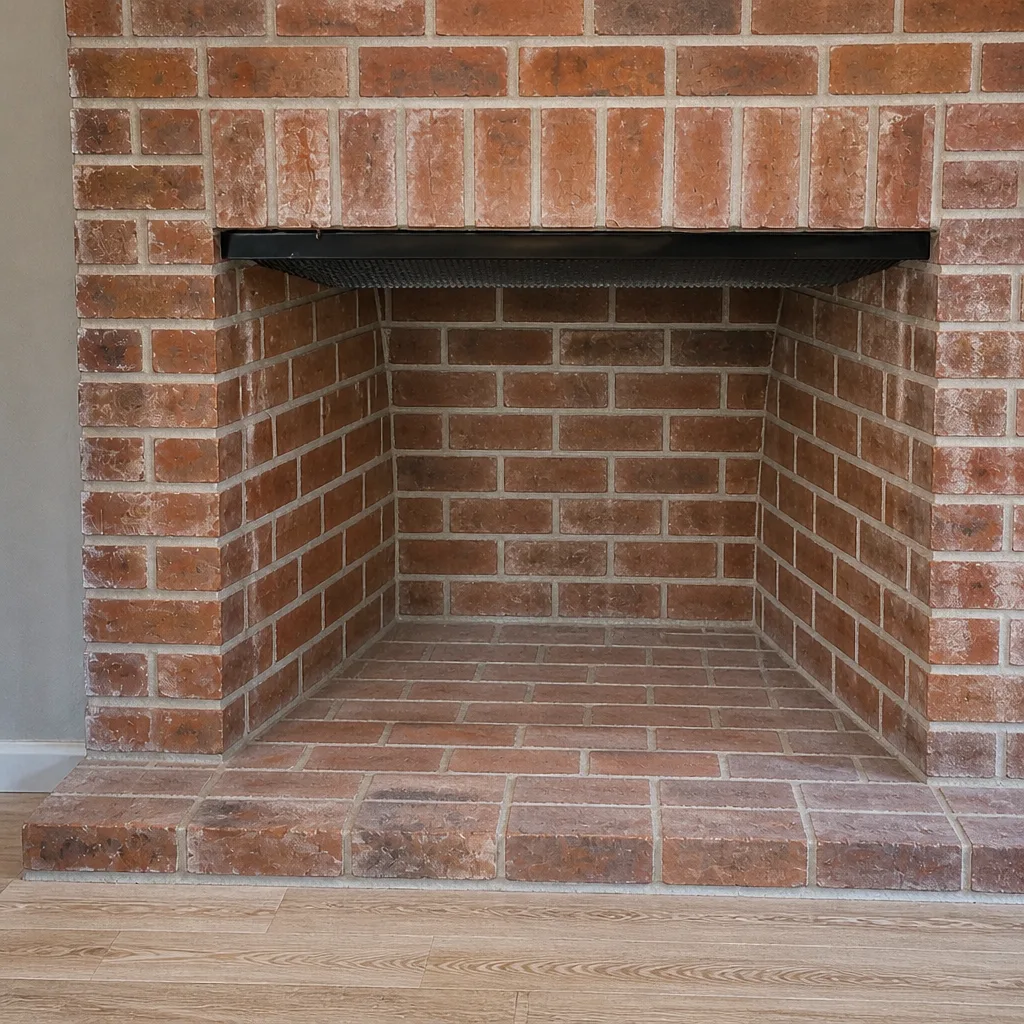
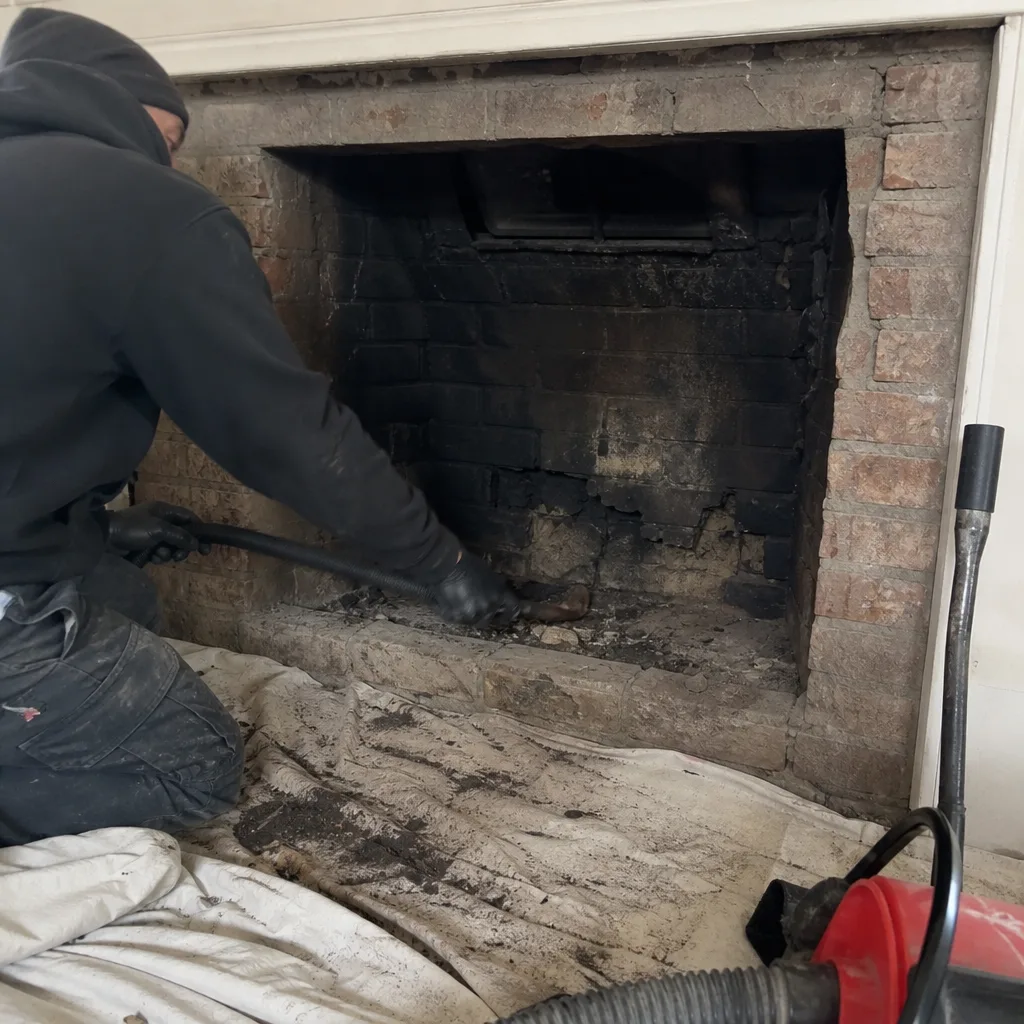
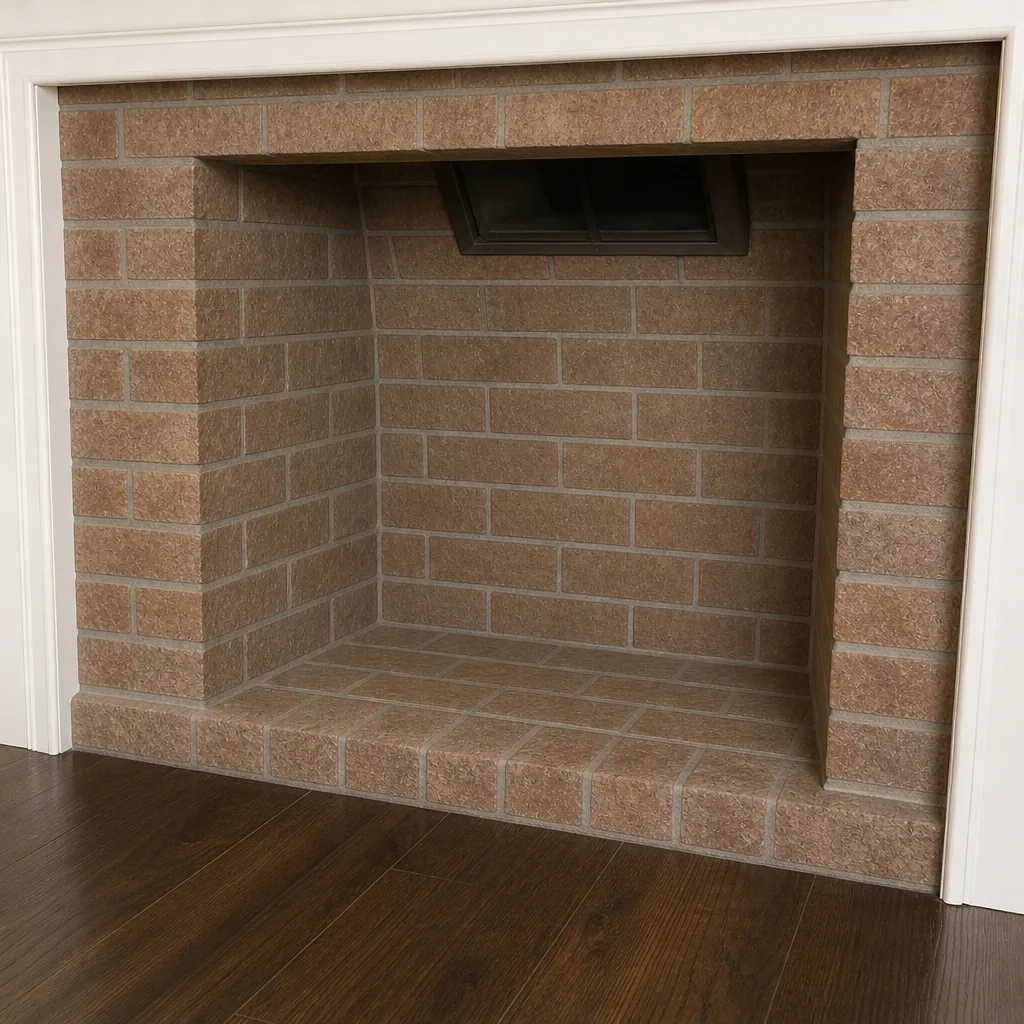
See the difference
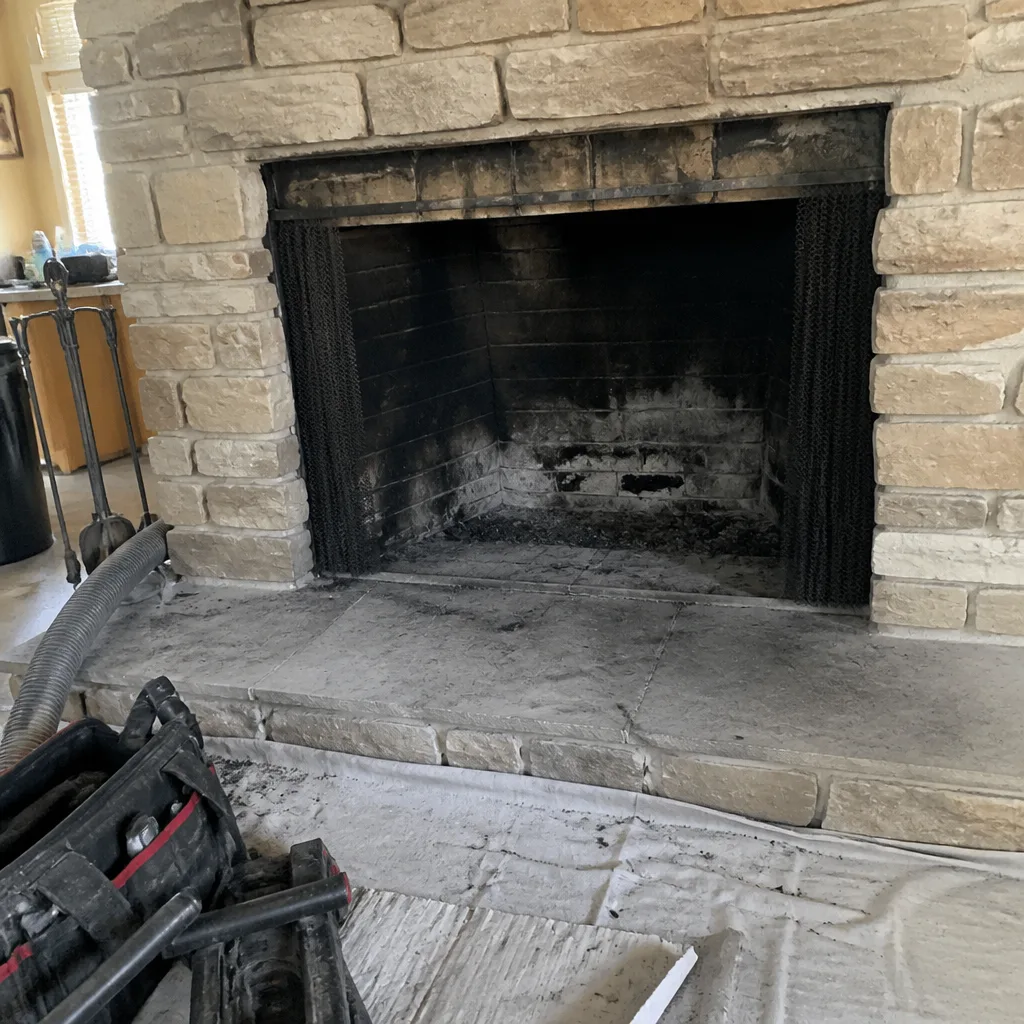 Before
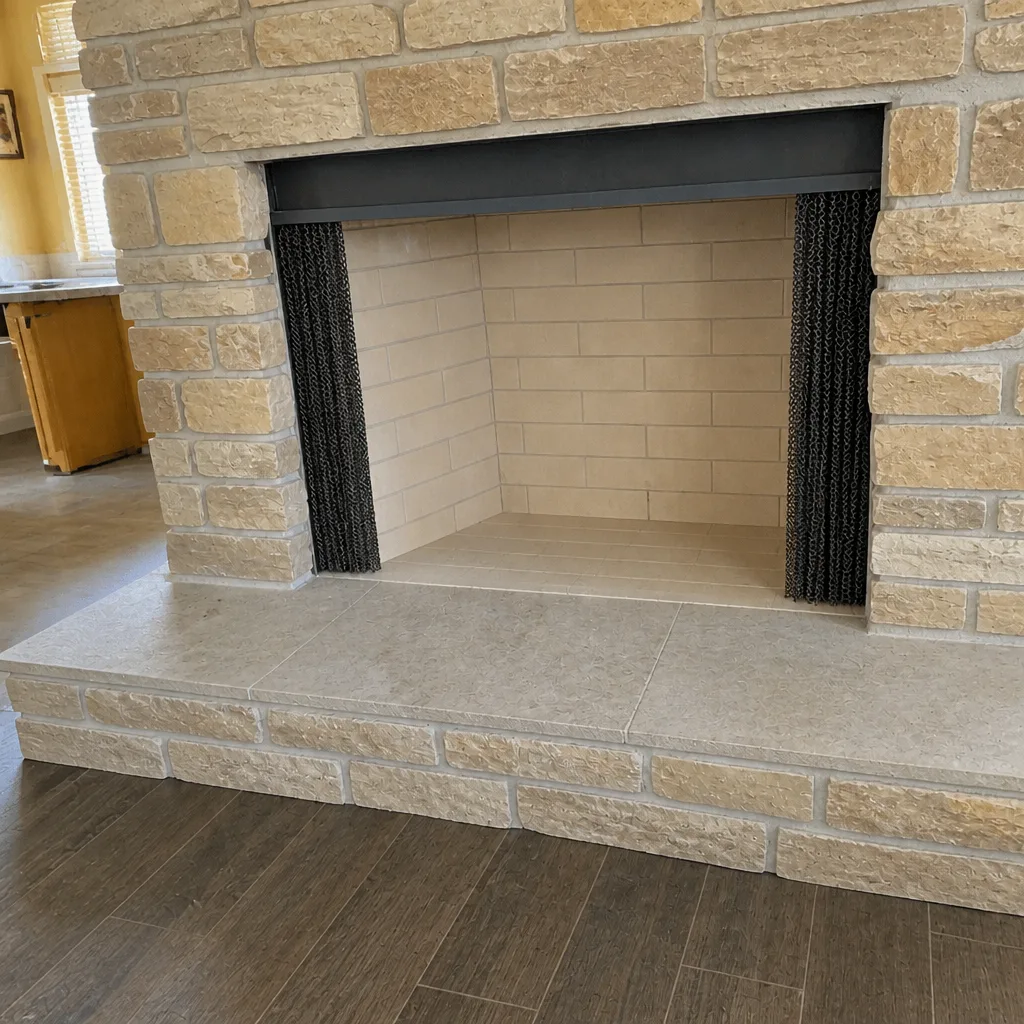 After
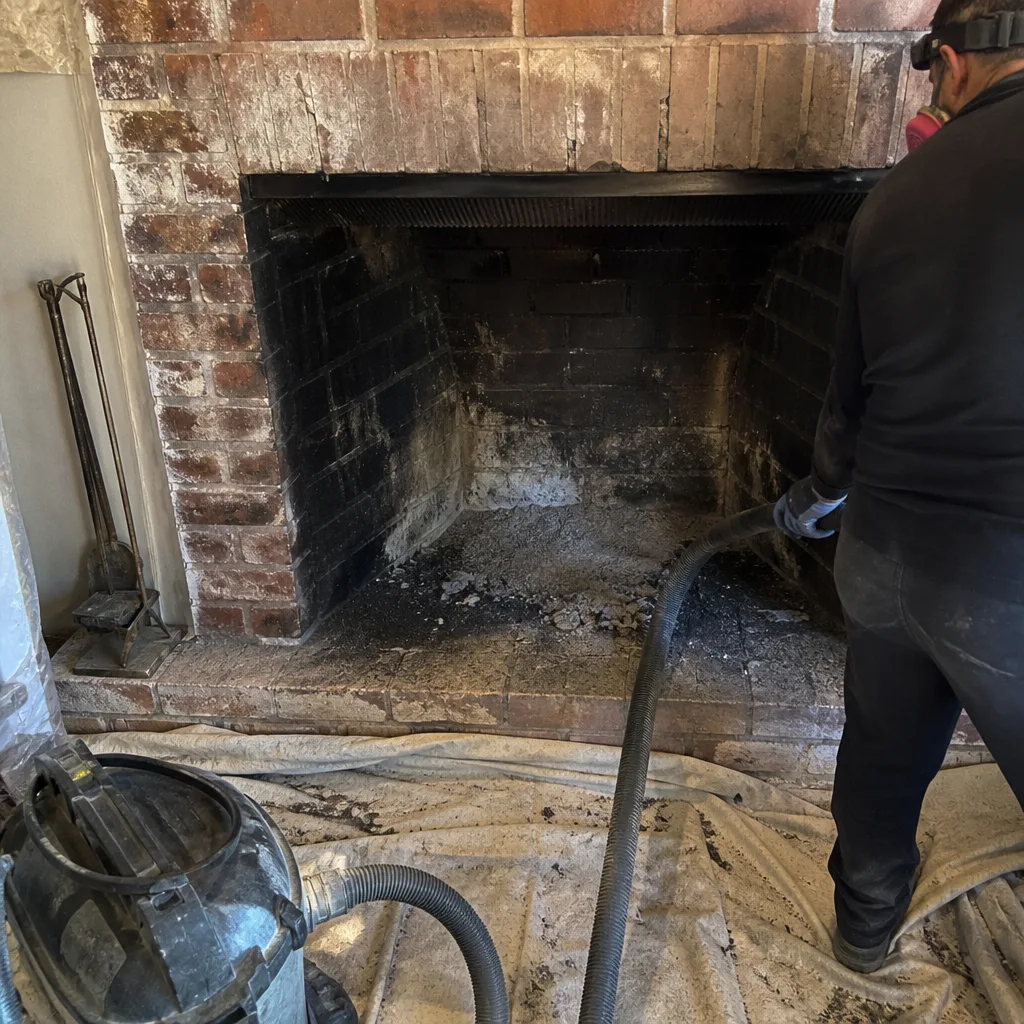 Before
 After
 Before
 After
When to Call a Professional
Call a chimney specialist when the liner has never been camera-inspected, when it’s been more than a year since a cleaning, when you’ve seen glossy deposits, when a cap or crown is damaged, or when the firebox shows cracked brick or missing mortar. Any of these moves the job out of the DIY column. The firewall matters too, which is why fireplace repair should come from someone who inspects the whole system rather than patching what you can see.
The counterpart guide applies to structural work. chimney repair covers the kind of problems that come out of an inspection and are the reason we always say: restore before you replace. Not every found issue needs reconstruction. Some need HeatShield resurfacing and nothing more.
Syracuse Chimney Sweep offers free estimates in Syracuse. Call (877) 820-8528. We answer 24/7. Fast dispatch from 7am to 7pm, Sunday through Friday, and our technicians have up to 10 years of experience with the systems a home needs. The written estimate sets the final price, and nothing gets recommended that the camera evidence doesn’t show you.
Frequently Asked Questions
It’s reasonable only if the liner was professionally inspected within the last year and you’re removing light soot from a lightly used fireplace. It’s not safe if the chimney hasn’t been inspected in years, if you see glossy deposits, or if the liner type is unknown. A brush can’t detect a fracture and a flashlight can’t see twenty feet up, so anything beyond routine cleaning belongs with a professional.
You can remove loose soot that way, and that’s a real benefit for a fireplace in good condition. What the kit doesn’t do is inspect, and the inspection is the part that catches problems early. A reasonable middle ground is to buy the kit and book a professional inspection, so you’re brushing between documented checks rather than brushing blind.
The rule of thumb is once a year for a fireplace in regular use, and more often if you burn frequently or burn wood that isn’t well seasoned. The realistic guide is the depth of buildup rather than the calendar, which is why an annual inspection is the right habit even in a year you skip the clean.
Skipping one year in a lightly used fireplace rarely causes immediate harm. Skipping several years in a frequently used one allows creosote to harden into Stage 2 and eventually glaze into Stage 3, and that’s the buildup that fuels chimney fires. The repair after a fire is far larger than the cleaning that would have prevented it.
Gas fireplaces still produce deposits and their venting still needs inspection, so gas is not exempt from an annual check. The work differs from a wood flue, but the principle is the same: a professional looks at the venting before anything else happens.
Sometimes. A deteriorated but structurally intact clay liner can often be resurfaced rather than replaced, which is what HeatShield is for. Severely damaged liners or awkward offset configurations call for a flexible replacement like DuraFlex. The camera determines which case applies, and that’s why the inspection comes first.
The Bottom Line
The honest summary is that DIY chimney cleaning isn’t reckless, it’s incomplete. A brush kit removes the soot you can see, and for a well-maintained fireplace with a recently inspected liner, that’s enough. Where it falls short is diagnosis. Rotating heads miss glazed creosote at joints and in offsets, and nothing in a homeowner’s toolbox substitutes for a camera, a chemical removal agent, or HEPA containment. The line is where the flue stops being routine. If the last inspection is a question mark, the brush is the wrong first move. Call (877) 820-8528 for a free estimate from Syracuse Chimney Sweep, the free estimate sets the price, and the camera evidence comes before any recommendation.
If you’d like to compare what a full visit includes against your own routine, start with Syracuse Chimney Sweep to see the five core services and how they fit together from the firebox to the cap.
Written by the team at Syracuse Chimney Sweep.